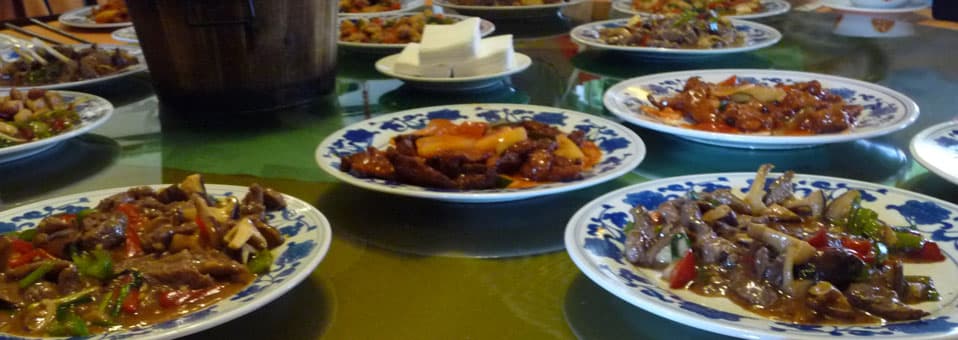
10 Traditional Dishes in China
Today Un Voyage En Chine focuses on food lovers and explores the world of Chinese gastronomy.
Today Un Voyage En Chine focuses on food lovers and explores the world of Chinese gastronomy. Beyond its rich history and heritage, China boasts incredible culinary diversity that has captivated the world. Some adore it, others find it challenging, but there's no denying that certain dishes offer incomparable flavors and combinations.
Let's take a culinary journey through Chinese cuisine with 10 traditional dishes you'll undoubtedly encounter during your stay in China, depending on the region you visit.
1- Peking Duck :
This iconic Peking duck is a beloved delicacy among foreign visitors to Beijing. Typically served with fresh vegetables and wheat pancakes, Peking duck is an absolute must-try during your stay in China's capital.
2- Dim Sum :
A celebrated Cantonese specialty, dim sum consists of an array of small bites steamed, baked, or fried. Among the many varieties, notable options include baozi—small buns filled with meat or red beans—and jiaozi—steamed dumplings resembling ravioli. Enjoy them without restraint!
3- Sweet and Sour Pork :
This dish will delight lovers of sweet and savory combinations. Originating from Zhejiang Province, this Chinese specialty features tender caramelized pork pieces, vegetables (bell peppers, tomatoes, onions), and fruits (pineapple or peach), all finished with a sweet and tangy sauce. The colorful, glossy appearance is sure to whet your appetite.
4- Stir-Fried Noodles :
If you've ever enjoyed a Chinese meal, you've certainly encountered stir-fried noodles. This quintessential traditional dish appears on most Chinese restaurant menus. Simple to prepare and affordable, it can be customized with various ingredients, allowing for variety and balance. Its practicality has made it a global favorite.
5- Sichuan Hotpot :
As the name suggests, this dish hails from Sichuan Province. If you're familiar with Swiss fondue, prepare for something quite different. Instead of cheese, hotpot in China involves cooking raw ingredients in a seasoned broth infused with herbs and spices of your choice. It's a wonderfully balanced meal that locals adore! As a newcomer, it's best to experience this meal with a Chinese guide who can help you navigate your choices—surprises on your first attempt are possible!
6- Fried Rice or Cantonese Fried Rice :
Contrary to popular belief, fried rice isn't exclusive to Guangzhou. This universally loved dish has countless regional variations. Remarkably simple and complete, fried rice is highly popular throughout China and all of Asia (Indonesia, Japan, Vietnam, Thailand...).
7- Mapo Tofu :
Another Sichuan specialty, typically finished with a spicy sauce that creates a peculiar numbing sensation on the tongue. Tofu enthusiasts will be in heaven!
8- Braised Beef with Spices :
This traditional Beijing dish celebrates beef shank for its texture. Tender, sinewed meat is highly prized in China. Serve as an appetizer or starter, accompanied by spices of your choice. A welcome change from cured sausage!
9- Won Ton – Dumpling Soup :
Won ton is a soup made with broth and dumplings, though recipes vary by region. In the South, you'll often find noodles included, while in the North, the soup features only vegetables (spinach leaves or dried seaweed) and dumplings.
10- Jian Bing – Chinese Crepe :
Though originating in Northern China, these crepes are enjoyed throughout the country, especially from street vendors. Much like our cherished Breton crepes, they're cooked on a griddle, but they're topped with spices, You Tiao (a popular crispy fried stick) and soy sauce. We were unable to find the Chinese equivalent of kouign-amann, apologies to the Bretons...
It's certainly impossible to compile an exhaustive list of traditional Chinese dishes given their abundance. Each region has its own culinary specialties and secrets that contribute to China's gastronomic richness. This article has at least highlighted the diversity of Chinese cuisine, challenging the common misconception that it's simply about eating rice!
Now it's your turn to share your extraordinary culinary experiences with us...
Frequently asked questions
The 10 traditional dishes not to miss during a trip to China are: Peking duck from Beijing, Cantonese dim sum, sweet and sour pork, stir-fried noodles, Sichuan hotpot, fried rice, Mapo Tofu, braised beef with spices, Won Ton soup, and Jian Bing (Chinese crepe).
Peking duck is the emblematic specialty of Beijing. It's served in numerous restaurants throughout the capital, from casual establishments to fine dining venues. It's typically served with wheat pancakes, fresh vegetables, and hoisin sauce.
Dim sum are a celebrated Cantonese specialty consisting of small bites steamed, baked, or fried. They're found primarily in the Guangzhou region and Hong Kong, but also in Cantonese restaurants throughout China. Notable varieties include baozi (small filled buns) and jiaozi (steamed dumplings).
Yes, Sichuan cuisine is renowned for its liberal use of chili peppers and Sichuan peppercorns, which create a characteristic numbing sensation on the tongue. Dishes like Sichuan hotpot and Mapo Tofu exemplify this. If you're unaccustomed to spice, request a milder version.
Yes, several traditional Chinese dishes can be adapted for vegetarians. Fried rice, stir-fried noodles, Mapo Tofu (prepared without meat), and vegetable dim sum are excellent options. Buddhist regions also offer many entirely vegetarian restaurants.
Jian Bing is a popular street crepe originating from Northern China. Cooked on a griddle, it's filled with spices, You Tiao (a crispy fried stick), and soy sauce. It's readily found from street vendors throughout the country, especially in the morning for breakfast.