Huacheng Temple (化城寺)
Huacheng Temple (化城寺)
Founded during the Tang Dynasty, Huacheng Temple is the oldest and most central sanctuary on Jiuhuashan. Dedicated to the bodhisattva Dizang, it blends classical architecture, calligraphied steles, and living devotion.
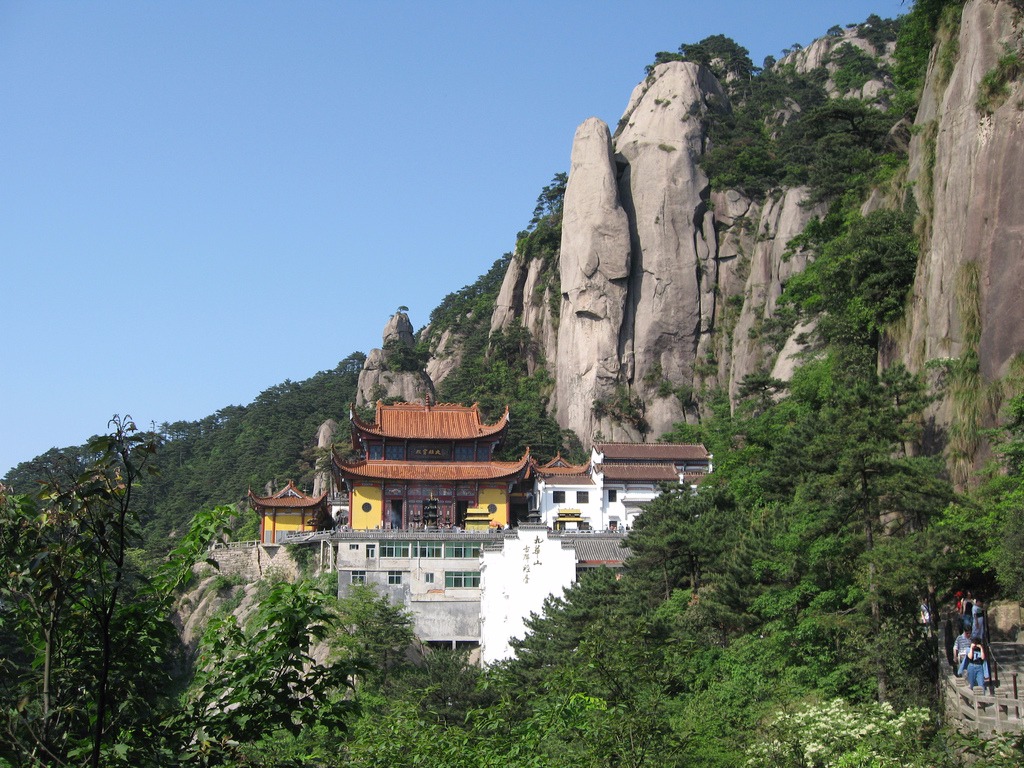
Huacheng Temple is the oldest Buddhist complex on Jiuhuashan, the sacred mountain of the bodhisattva Dizang (Kṣitigarbha) in Anhui Province. Founded during the Tang Dynasty, it stands as the historical heart of the site and the symbolic starting point for any pilgrimage to the mountain. Its layered courtyards, wooden pavilions, and ritual bells make it a living place of practice, frequented by both monks and devotees who come from across Chine.
Quick Reference Guide
- Access: Located in Jiuhuajie town, at the foot of the main mountain zone, accessible on foot from the village central square.
- Dress code: Decent attire required; covering shoulders and knees is recommended.
- Suggested duration: 30 to 60 minutes for a leisurely visit.
- Entry: Included in the general Jiuhuashan ticket (paid); verify conditions on site.
What to See
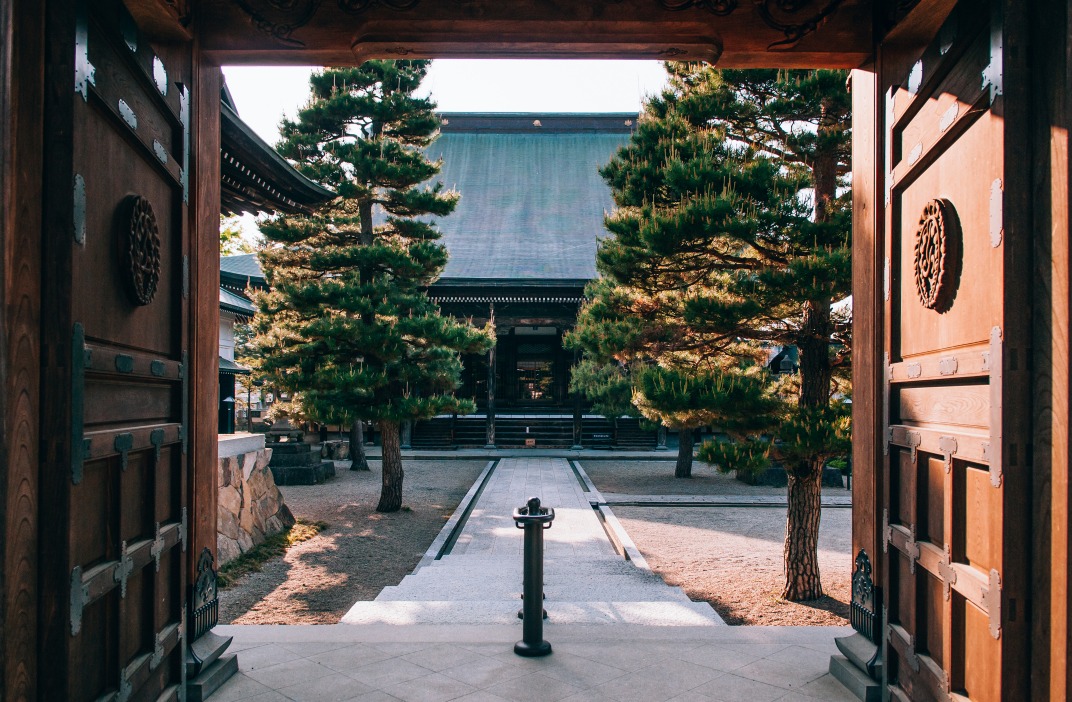
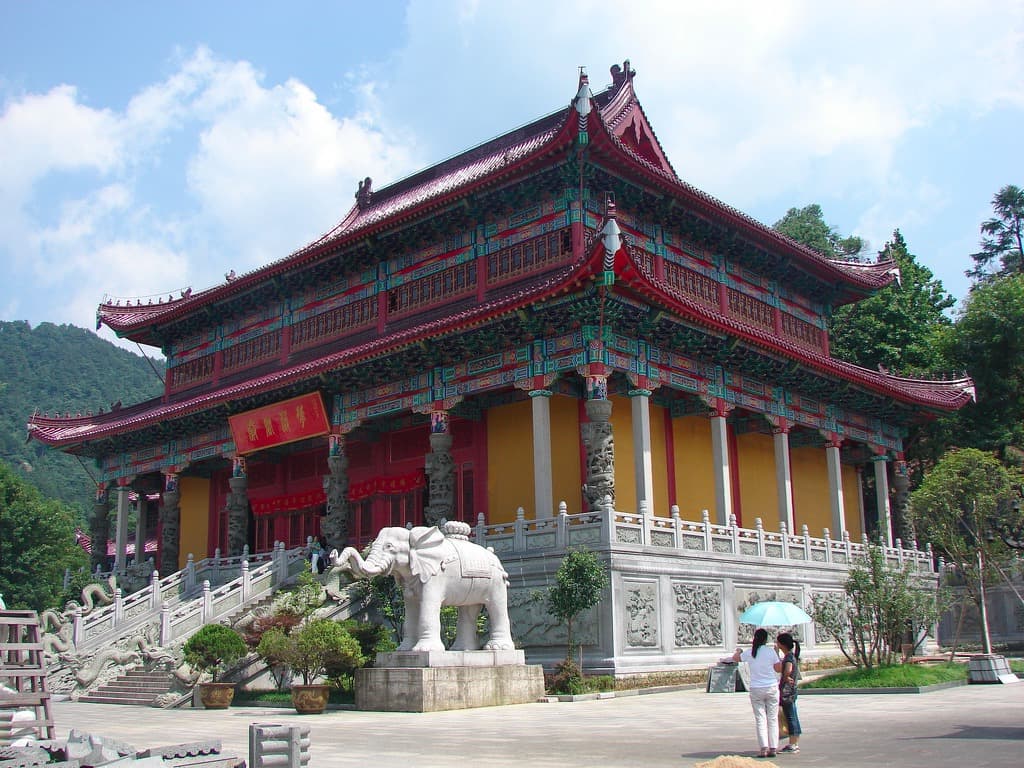
The temple is organized around several successive courtyards. The main hall houses gilded statues of Dizang Pusa, surrounded by celestial guardians. The buildings blend green and yellow glazed tiles, intricately carved wooden beams, and whitewashed walls. A large bronze bell suspended in its pavilion is struck during ceremonies. Calligraphed steles line the covered galleries.
History and Context
Tradition attributes the temple's founding to the Korean monk Kim Gyo-gak (金地藏), who came to settle on the mountain in the 8th century and was identified after his death as the earthly manifestation of Dizang. Huacheng Temple was erected to honor his memory and became the administrative and spiritual center of the entire site. It was rebuilt and enlarged multiple times during the Song, Ming, and Qing dynasties.
Highlights of Your Visit
The Hall of Dizang Pusa
The main hall concentrates the essence of devotion. Devotees burn incense here and prostrate themselves before the great gilded statue of the bodhisattva. The atmosphere, heavy with incense smoke and liturgical chanting, is particularly intense during morning services.
The Bell Pavilion
The bronze bell, cast during the Qing Dynasty, is struck at set times. Its deep tone resonates across the entire Jiuhuajie town and marks the rhythm of monastic life.
The Steles and Galleries
The side galleries preserve steles inscribed with poems and colophons offered by scholars and emperors. They constitute rare testimony to the relationship between imperial authority and Buddhism at this site.
Etiquette and Visiting Rules
- Removing shoes is not systematically required, but respect prayer areas by keeping back from devotees in prostration.
- Speak in a low voice, particularly during ceremonies.
- Do not point your camera directly at monks in prayer without discretion.
- Walk around incense burners from the sides, never through the center.
Photography Tips
Morning light, before the arrival of large groups of pilgrims, is most favorable: it illuminates the glazed roofs and inner courtyards without backlighting. Architectural details and calligraphed steles photograph well in the covered galleries, sheltered from direct sunlight. Avoid flash in worship halls.
Location and Access
Huacheng Temple is located in Jiuhuajie town, the main village within the Jiuhuashan tourist area. It is accessed from the site's main entrance, after passing through the paid gate. Most visitors arrive by bus from Qingyang or Chizhou, then reach the temple on foot in just a few minutes from the central square. Accessibility for people with reduced mobility is partial: ground-level courtyards are accessible, but certain interior staircases lack ramps.
Nearby Attractions
- Roushen Temple (肉身殿) — sanctuary built at the meditation site of Kim Gyo-gak, a few hundred meters up the mountain.
- Zhiyuan Temple (祗园寺) — large active complex from the 19th century, one of the most frequented on the mountain.
- Tiantai Peak (天台峰) — main summit of Jiuhuashan, accessible by trail or cable car, with panoramic views of the mountain range.
Frequently asked questions
Spring (April–May) and autumn (September–October) offer pleasant weather and colorful vegetation. Avoid major Buddhist festivals (particularly Dizang's birthday in the 7th lunar month) if you wish to avoid large crowds.
Decent attire is sufficient: covering shoulders and knees is recommended out of respect for this active place of worship. To our knowledge, no clothing rental is available on site.
Yes. Zhiyuan Temple and Roushen Temple are accessible on foot from Huacheng. A full day allows you to visit all three sites and hike toward Tiantai Peak if you're up for it.
Photography is generally tolerated in courtyards and galleries. In worship halls, be discreet, avoid flash, and do not photograph ongoing ceremonies without the tacit consent of participants.
The main ground-level courtyards are accessible. Some interior staircases and paths to higher-altitude temples do not have complete accessibility accommodations.
Photos
Interested in this visit?
We can include it in your personalised itinerary.