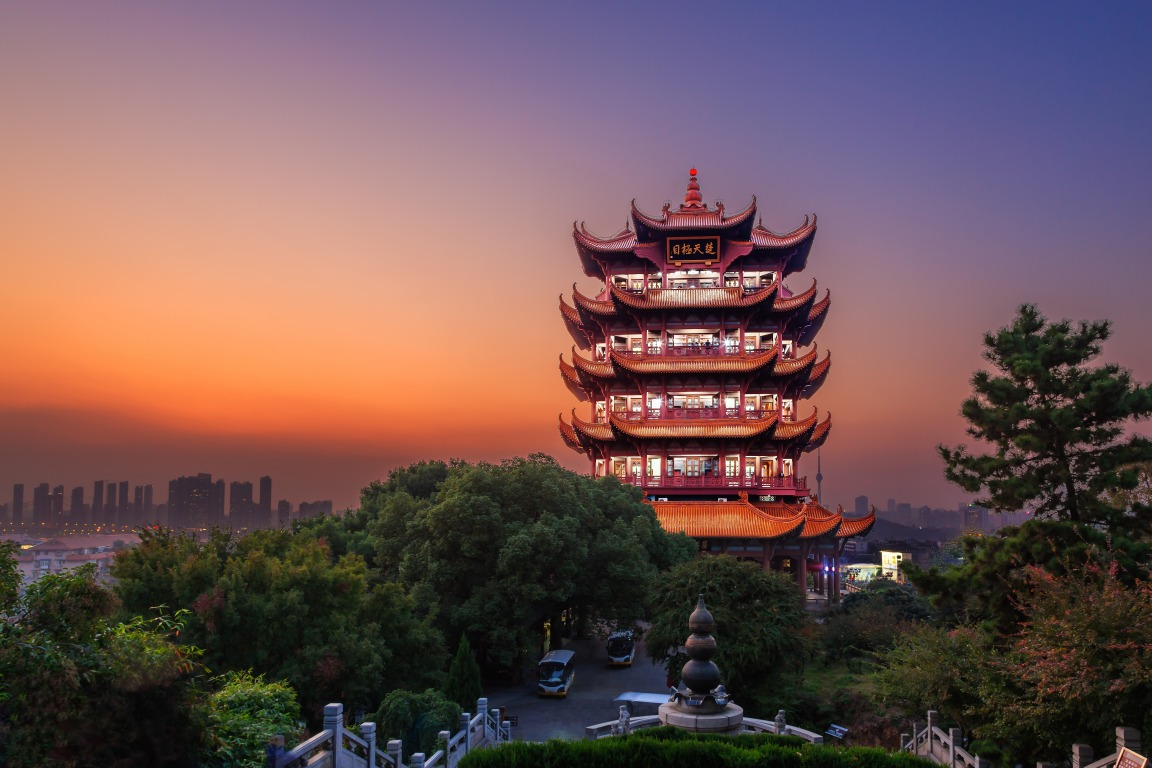
Mount Gongga (Minya Konka)
At 7,556 meters, Mount Gongga is the roof of Sichuan. Glaciers, Tibetan monasteries, and high-altitude landscapes make it one of China's most demanding trekking and climbing destinations.
Mount Gongga, known in Tibetan as Minya Konka, rises to 7,556 meters in western Sichuan. It is the highest summit in the province and one of the most formidable in China. Surrounded by glaciers, coniferous forests, and Tibetan monasteries, it attracts experienced mountaineers and trekkers seeking raw contact with the high plateaus of Kham. The region remains relatively untouched by foreign tourists, lending it a preserved atmosphere.
Practical information at a glance
- Access: from Kangding (Dartsedo), the nearest town, accessible by bus or car from Chengdu (approximately 7 hours by road).
- Equipment: mountaineering gear essential; very low temperatures at altitude even in summer.
- Recommended duration: 3 to 7 days for a partial or full circuit trek around the massif.
- Altitude: the main base camp sits around 3,600 meters; acclimatization necessary.
- Permits: a mountaineering permit issued by Chinese authorities is mandatory for any summit attempt.
What you'll see
The massif offers highly diverse high-mountain landscapes: glaciers descending into forested valleys, turquoise glacial lakes, alpine meadows, and Tibetan villages. Hailuogou Glacier, accessible from the eponymous national park on the eastern slope, is one of China's most accessible low-altitude glaciers.
- Hailuogou Glacier and its natural hot springs at the glacier's base
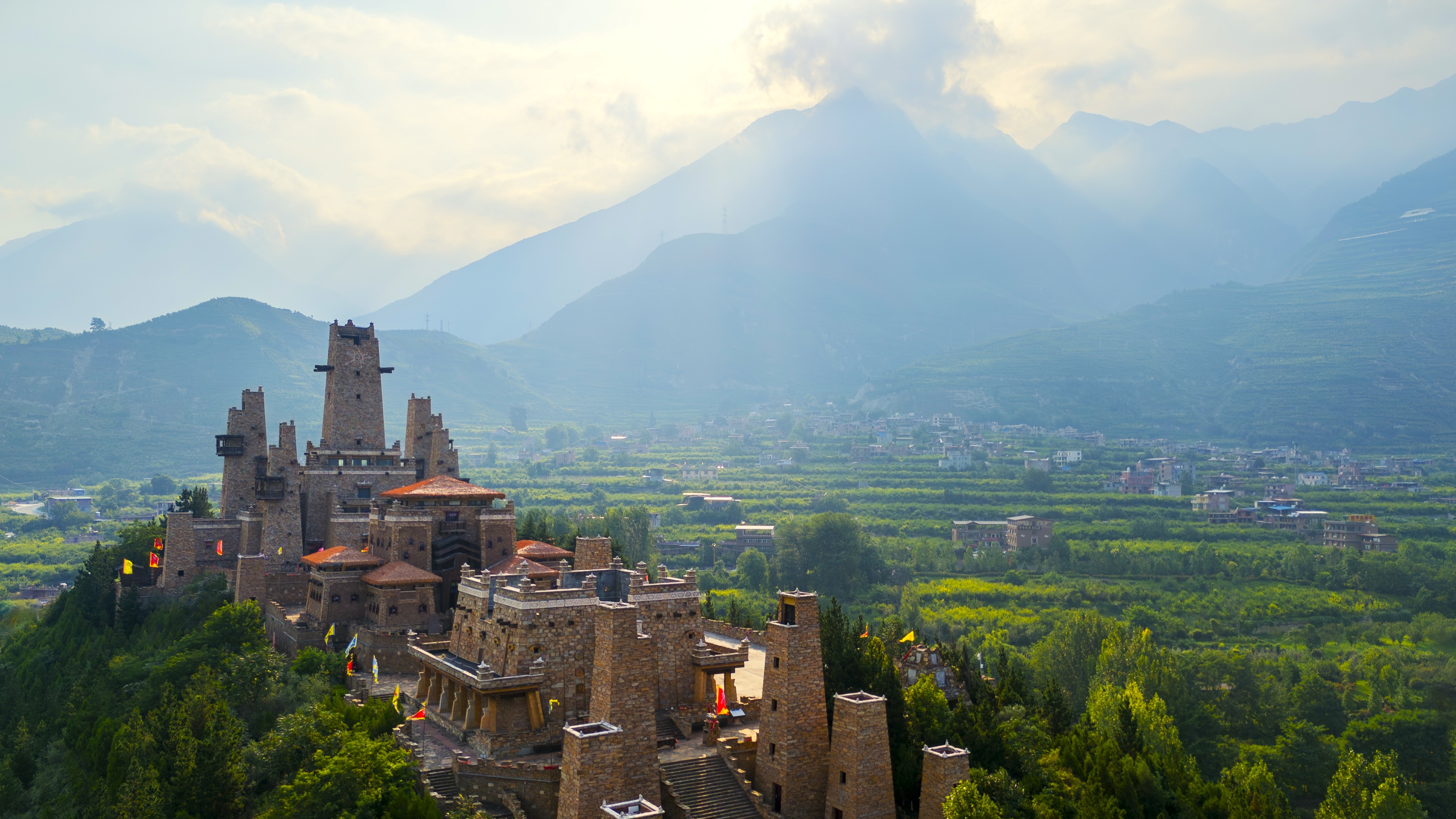
- Kongga Monastery (Gongga Si), a Tibetan place of worship in the valley
- Views of the massif's secondary peaks (several summits exceeding 6,000 m)
- Alpine fauna: red pandas, deer, rare birds in lower-altitude forests
History and context
Gongga is revered by Tibetan populations of Kham as a sacred mountain. The first Western expeditions date from the 1930s: in 1932, an American team achieved the first ascent, though two members perished during the descent. The summit remains one of the world's deadliest 7,000-meter peaks, with a high failure and accident rate. The region historically belongs to the Tibetan cultural territory of Kham, administratively incorporated into Sichuan.
Highlights of your visit
Hailuogou National Park
On the eastern slope, this park allows access to the glacier without mountaineering equipment. Natural hot springs coexist with the ice—a rare combination. Cable cars facilitate access to higher zones for non-trekking visitors.
The circuit trek around the massif
A multi-day trekking circuit makes a partial loop around Gongga, crossing passes, forests, and Tibetan hamlets. Views of the north and west faces of the summit, revealed by clear weather, rank among western Sichuan's most breathtaking vistas.
Gongga Si Monastery
This Tibetan Buddhist monastery, nestled in the valley as you approach the massif, is a traditional stopping point for pilgrims and trekkers. Its austere architecture and mountain setting make it a place for contemplative rest.
Etiquette and visiting rules
- At the monastery, remove your shoes before entering prayer halls.
- Circumambulate stupas and prayer wheels clockwise.
- Ask permission before photographing monks or ceremonies.
- Avoid gestures or dress deemed disrespectful in sacred spaces.
Photography tips
The summit rarely clears: early mornings during the dry season (October–November, April–May) offer the best chances of clear skies. From the base camp or circuit passes, Gongga's southwestern face appears in full vertical glory. Hailuogou Glacier photographs beautifully in morning light, when mist lifts from the valley.
Location and access
The Gongga massif lies in western Sichuan, at the cultural boundary between Han and Tibetan worlds. Kangding is the main gateway: the town has a small airport (flights from Chengdu) and a bus station. From Kangding, minibuses and private 4×4 vehicles serve the valleys providing access to the massif. Hailuogou Park is accessible from Luding, a town downriver on the national highway.
Nearby attractions
- Kangding (Dartsedo) — vibrant Tibeto-Han town, essential logistical hub and cultural stopover for the region.
- Hailuogou National Park — accessible glacier, hot springs, and primeval forests on Gongga's eastern slope.
- Luding — historic town with the famous Luding Chain Bridge, a Long March site.
- Sichuan-Tibet Highway (G318) — mythic route crossing passes and plateaus between Chengdu and Lhasa, of which Gongga is one of the major backdrops.
Interested in this visit?
We can include it in your personalised itinerary.