Turpan Museum
Turpan Museum
Xinjiang's second-largest museum, the Turpan Museum brings together 5,000 artifacts, nine mummies from neighboring necropolises, and a giant rhinoceros fossil.
The Turpan Museum holds approximately 5,000 artifacts that trace the history of the oasis and Turpan basin, at the crossroads of the Silk Road. Xinjiang's second-largest museum after Urumqi's, it occupies a modern 9,000 m² building in the heart of the city and is free to visit.
Why visit the Turpan Museum
The museum offers a condensed overview of several millennia of regional history, with three major highlights: remains of Turpan's ancient civilization, a mummy chamber featuring specimens from neighboring necropolises, and a giant rhinoceros fossil from the Oligocene-Miocene era. For those preparing to visit the region's archaeological sites (Jiaohe, Gaochang, Astana tombs), the museum provides a useful introduction, in just a few hours, to the cultures that succeeded one another in the basin.
Admission is free, the building is air-conditioned, and the main display cases feature labels in Chinese and English. It's a worthwhile stop on scorching days, when desert heat discourages outdoor exploration.
Museum history
The Turpan Museum was built in 1989 on Gaochang Street. In 2006, as part of an urban development plan, it was relocated to 1268 Munaer Street in a modern two-story building whose architecture draws inspiration from traditional local forms. The move included expanded exhibition spaces and more didactic presentation of the collections.
What to see in the collections
Turpan's ancient history
The main gallery brings together artifacts from excavations of the Turpan basin: inscriptions and documents in rare languages (Sogdian, Old Uyghur, Chinese), gold and silver coins, paintings, silk textiles, and numerous wooden and terracotta figurines. These objects reflect the diversity of peoples who occupied the oasis under various Chinese dynasties and testify to Turpan's commercial and cultural role on the Silk Road.
The mummy chamber
The museum preserves nine mummies in total, exhumed from the necropolises of Astana, Gaochang, Jiaohe, and Karakhoja. Among them is a local couple and the mummy known as the "Shaman Sorcerer." The extreme aridity of Turpan's climate enabled remarkable preservation of the bodies, clothing, and associated funerary objects. Labels clarify the discovery contexts and cultural affiliation of the deceased.
The giant rhinoceros fossil
The fossil chamber displays a reconstructed skeleton of Paraceratherium (also called Indricotherium), a hornless rhinoceros from the Oligocene-Miocene era: 5 meters at the shoulder and 9 meters in length, making it one of the largest terrestrial mammals ever to inhabit these lands. The fossil was uncovered during paleontological excavations in the Turpan basin.
Practical information
- Address: 1268 Munaer Street, Turpan, Xinjiang.
- Admission: free (presentation of ID or passport generally required at reception).
- Hours: open during daytime, typically closed one day per week. Check current hours on-site or with your accommodation before visiting.
- Duration: allow 1.5 to 2.5 hours to explore the three main galleries.
- Good to know: large bags must be left at the cloakroom; photography without flash is permitted in most rooms.
How to get there
The museum is located east of Turpan's city center, about 15-20 minutes' walk from the central bazaar. From downtown, city buses on lines 5, 6, and 202 serve the museum. A taxi ride remains inexpensive and offers a practical alternative on extremely hot days.
Combine with nearby attractions
A visit to the museum fits naturally into a broader itinerary around Turpan and its archaeological sites. Nearby, you can extend your exploration with:
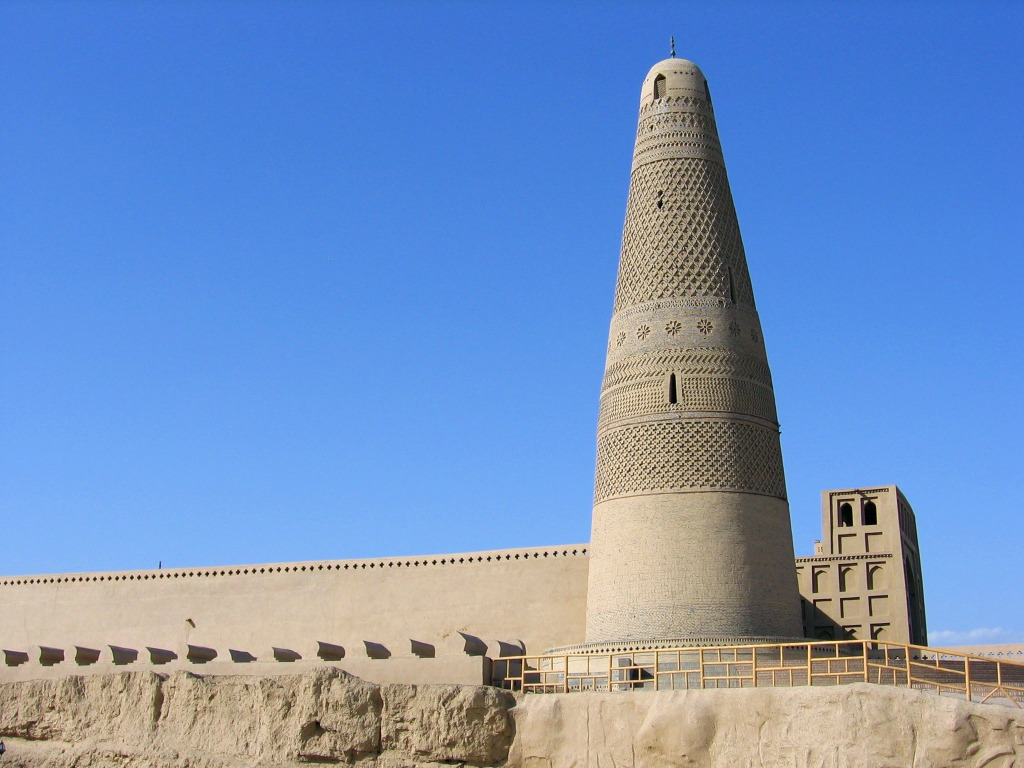
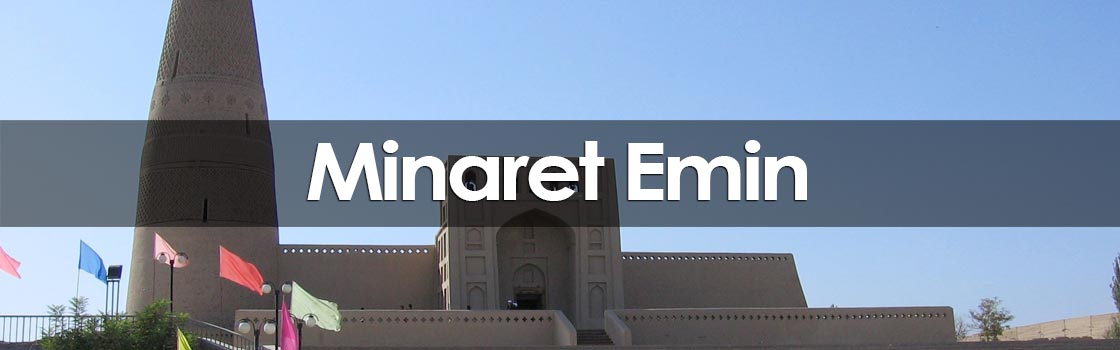
- The Emin Minaret, China's tallest minaret, just kilometers from the city center.
- Aiding Lake, one of the lowest points on Earth, south of the oasis.
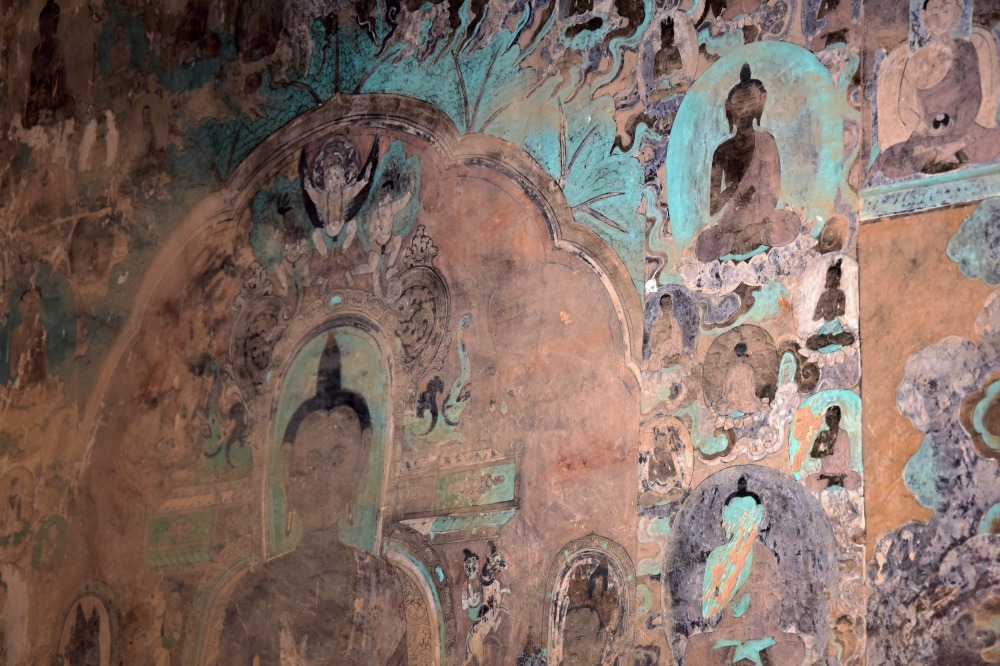
- The Mogao Caves, a major Silk Road stop on the Gansu side, for those continuing their journey eastward.
Frequently asked questions
Frequently asked questions
Yes, admission is free. An ID document (passport for foreign visitors) is generally required at reception to obtain an entrance ticket.
Allow approximately 1.5 to 2.5 hours to explore the three main galleries: ancient history, mummies, and fossils. More time if you read the labels in detail.
Labels are in Chinese and English. French is not available. A local guide is helpful for gaining deeper insight into historical contexts.
Three highlights: the mummy chamber featuring specimens from the necropolises of Astana, Gaochang, Jiaohe, and Karakhoja; the Paraceratherium fossil; and the inscriptions in ancient languages as well as the silk textiles in the main gallery.
City buses on lines 5, 6, and 202 serve the museum from downtown. Taxis remain an economical and quick option.
Incorporate the museum into your trip
The Turpan Museum naturally fits into an itinerary combining Xinjiang's oases, archaeological sites in the basin, and Silk Road stops. To build a customized stay including Turpan and its surroundings, explore our journeys in Chine.
Interested in this visit?
We can include it in your personalised itinerary.