Shaanxi History Museum
Shaanxi History Museum
In Xi'an, the Shaanxi History Museum traces Chinese civilization from the Zhou to the Tang through 37,000 relics unearthed in the province.
The Shaanxi History Museum, in Xi'an, chronicles over one hundred millennia of Chinese history through collections from a province that served as capital to twelve dynasties. With approximately 37,000 cultural relics on display and more than 113,000 antiquities in reserve, the institution stands as one of the most comprehensive gateways to understanding Chinese imperial civilization before visiting the Terracotta Army or the city walls.
Why visit the Shaanxi History Museum
Shaanxi province witnessed the birth and flourishing of some of China's founding dynasties, notably the Zhou, Qin, Han and Tang. The museum concentrates pieces from archaeological excavations conducted throughout this territory since the 1970s, making it a natural complement to outdoor sites in Xi'an.
Three reasons justify a visit at the start of your stay:
- A continuous chronology from prehistory through the Tang dynasty, presented in clear order by floor levels.
- Reference pieces in bronze, ceramics, jade and goldwork rarely assembled elsewhere.
- Essential context for understanding other sites in the region, notably imperial mausoleums and ancient capitals.
Museum History
The project for a modernized museum dates back to the 1970s, following Prime Minister Zhou Enlai's visit to the former provincial museum. Recognizing the wealth of accumulated collections and the inadequacy of existing spaces, he laid the foundations for a new institution worthy of the region's heritage.
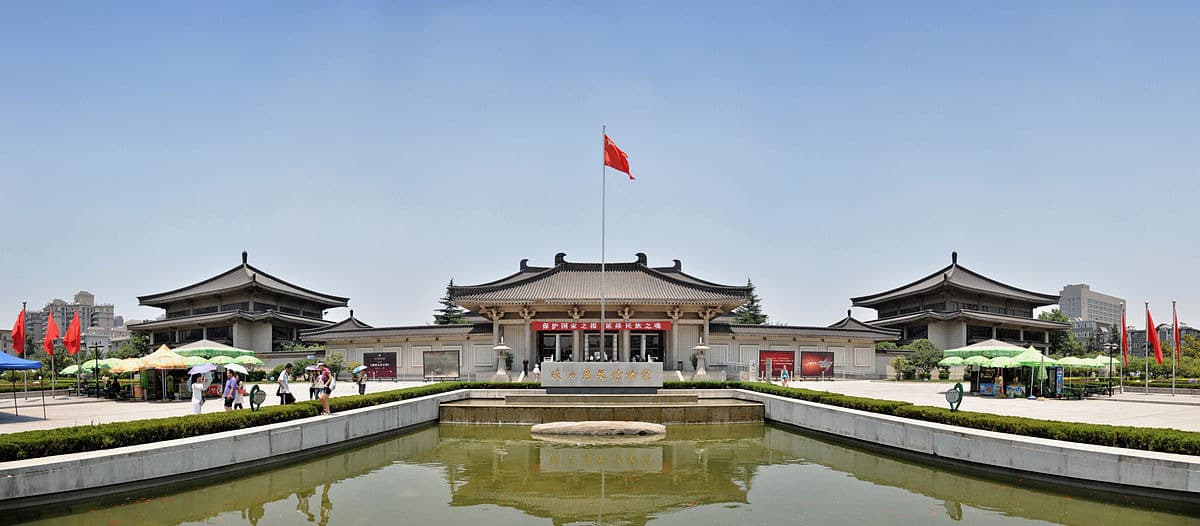
Construction began in 1983 and the museum opened to the public in 1991. The building's architecture draws inspiration from the Palace of Great Clarity (Daming Gong), the Tang imperial residence at Chang'an. Multi-level roofs, exposed timber framing and a central courtyard compose an ensemble spanning approximately 70,000 m².
Since its opening, the museum has regularly enriched its collections through excavation campaigns conducted throughout the province, which remains one of China's most active archaeological zones.
What to See at the Museum
The tour follows a chronological thread distributed across several galleries, organized by major historical periods.
Prehistory and Zhou and Qin Dynasties
The first galleries present tools, ceramics and ritual objects documenting daily life before imperial unification. The section devoted to the Zhou and Qin dynasties assembles ceremonial bronzes, funerary remains and objects linked to the emergence of the first Chinese empire.
Han Dynasty and Western Han
The Han hall showcases ceramics characteristic of the period as well as gold disks from the Western Han dynasty, testament to the refinement of court goldwork. Funerary figurines, bronze mirrors and objects from domestic life complete this collection.
Northern and Southern Dynasties (220-581)
This period of political division is illustrated by a particularly extensive weapons collection, reflecting the military instability of the era. Buddhist sculptures marking the spread of this religion through northern China are also displayed.
Sui and Tang Dynasties (581-907)
The galleries devoted to the Sui and Tang rank among the museum's richest. Here you'll find pieces in celadon and porcelain, a Go set in agate and crystal, as well as frescoes detached from aristocratic tombs. At the museum entrance stands a seventh-century lion statue from the Shunling Mausoleum, the tomb of the mother of Empress Wu Zetian, welcoming visitors.
Practical Information
- Visiting duration: plan 2 to 3 hours for a complete tour, longer for those passionate about Chinese history.
- Admission: entry to the permanent exhibition is generally free with prior reservation (passport required). Temporary paid exhibitions may be offered additionally.
- Opening hours: morning opening until late afternoon, with last admission approximately one hour before closing. Generally closed Mondays. Hours vary by season: check before your visit.
- Crowding: the museum attracts large numbers. Booking several days in advance is strongly recommended, particularly during peak season.
- On-site: audioguide available, shop and small refreshment stand at the exit.
How to Get There
The museum is located northwest of the Great Wild Goose Pagoda, in Yanta district.
- By bus: get off at Cuihua Lu (Cuihua Street), served by numerous urban lines and tourist buses You 6 and You 8 (610).
- By metro: Xiaozhai station (lines 2 and 3) is approximately a 15-minute walk away.
- By taxi or rideshare: straightforward option from Xi'an's historic center, expect 15 to 25 minutes depending on traffic.
Nearby Attractions
Several major Xi'an sites can be visited on the same day or as a complement:
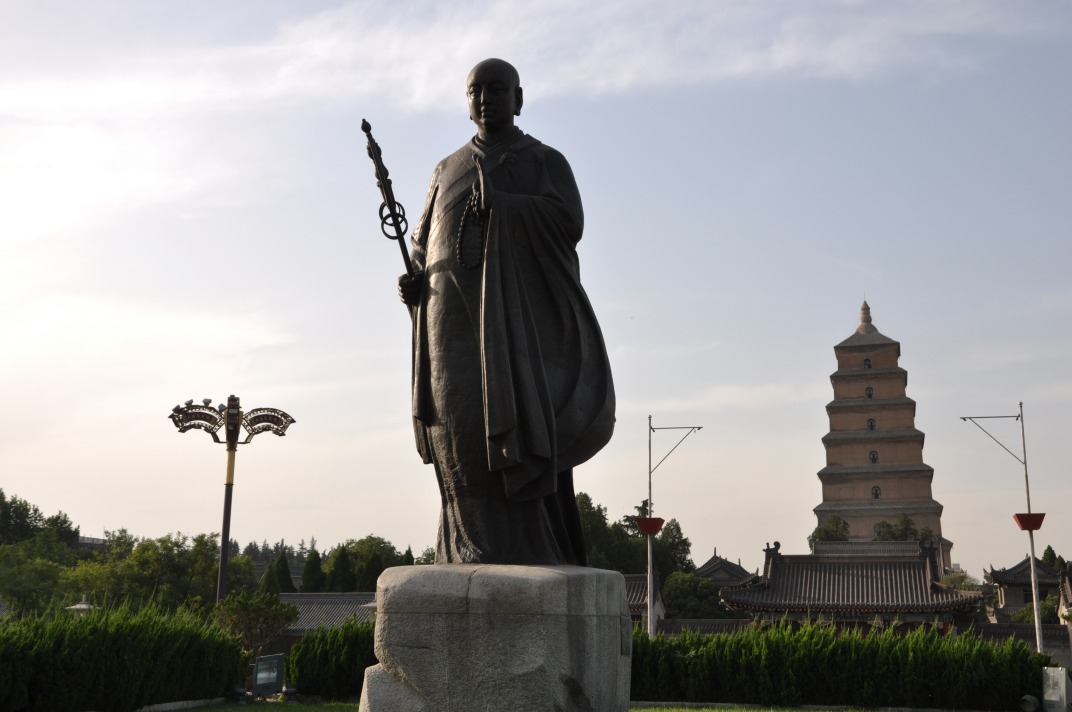
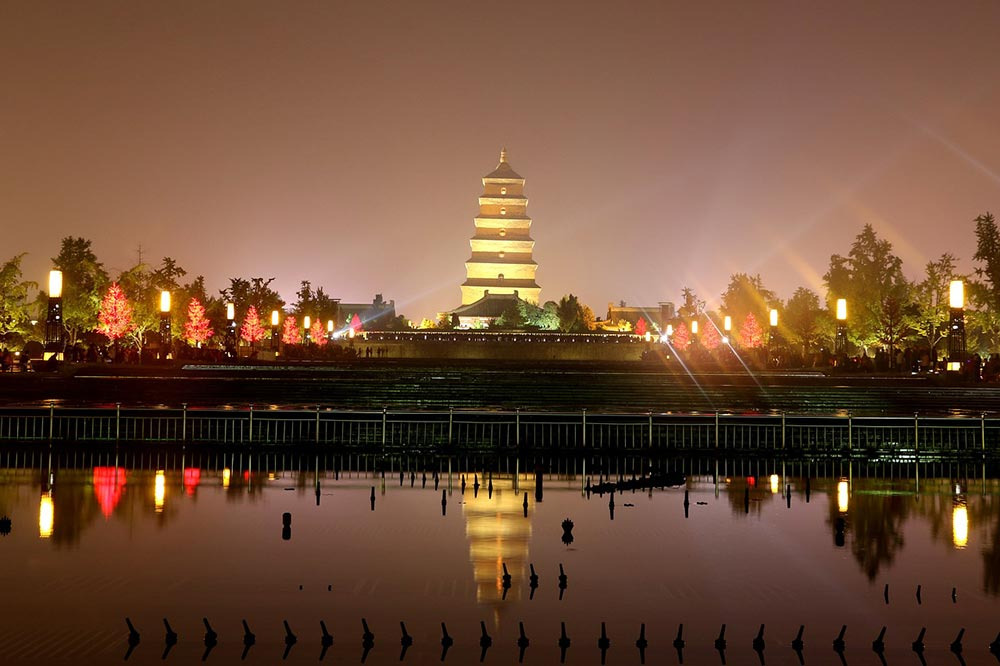
- The Great Wild Goose Pagoda, a Tang Buddhist monument located a few minutes from the museum.
- The Terracotta Army, approximately 40 km east of the city, whose historical context is largely illuminated by the museum's Qin collections.
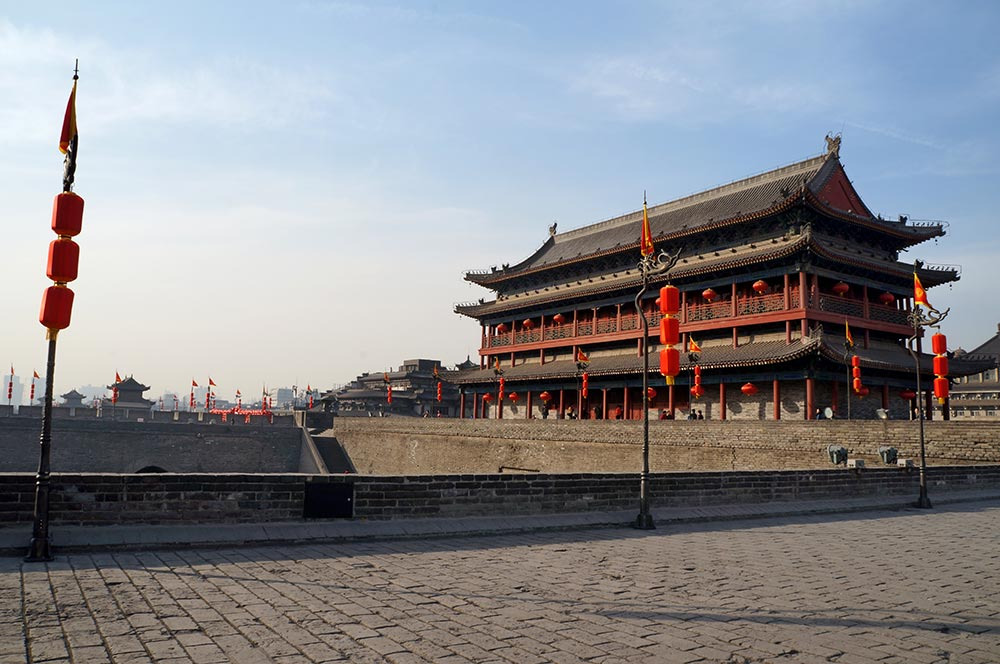
- Xi'an's Ming walls and the Muslim quarter, in the historic center.
To explore other regions of the country, you can also consult our guide to the Great Wall at Juyongguan or the thousand Buddha caves at Bezeklik in Xinjiang.
Frequently Asked Questions
Frequently asked questions
Access to the permanent exhibition is generally free with prior reservation and presentation of a passport. Certain temporary exhibitions remain paid, at a modest rate.
Yes. The number of daily visitors is limited and time slots fill quickly, particularly in summer and during Chinese holidays. Booking several days in advance is recommended.
Plan 2 to 3 hours to tour all the galleries. Enthusiasts of archaeology or Chinese art can easily spend a half-day here.
Main labels are translated into English and an audioguide is generally provided. A visit with an English-speaking guide allows for deeper understanding of the collections.
Incorporating the Museum into Your Trip
A visit to the Shaanxi History Museum makes full sense as an opening to a stay in Xi'an, before heading to the region's archaeological sites. To build a tailor-made itinerary including Xi'an, Beijing and other major cultural destinations, consult our ideas for trips to China.
Nearby
Interested in this visit?
We can include it in your personalised itinerary.