Puning Temple
Puning Temple
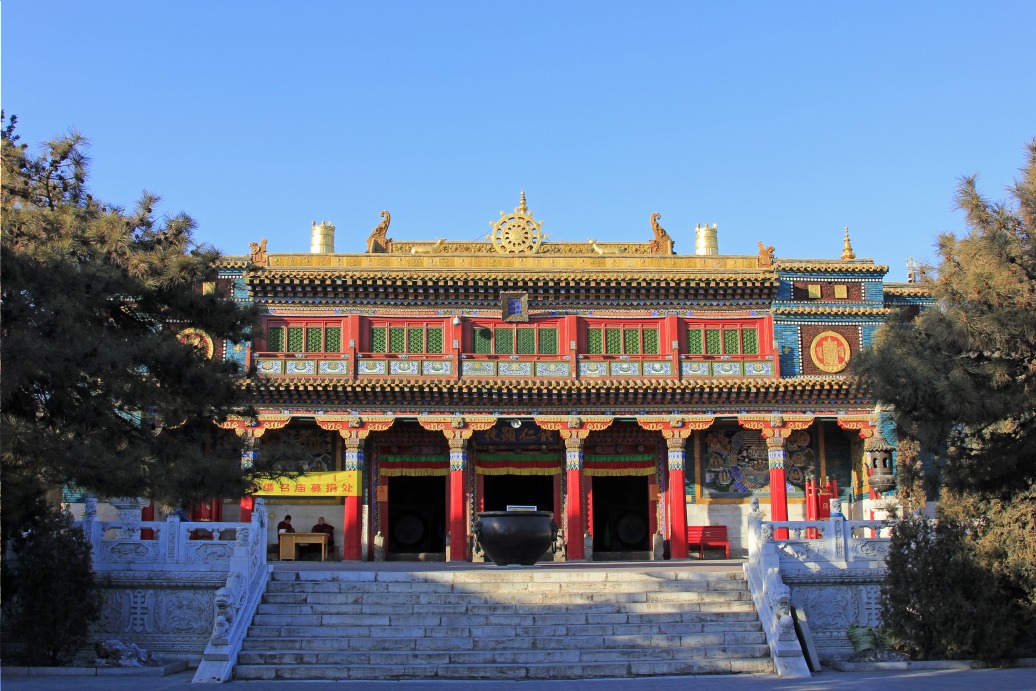
Built in 1755 by Qianlong and inscribed as a UNESCO World Heritage site, Puning Temple in Chengde combines Sino-Tibetan architecture with a 23-meter-tall statue of Guanyin.
Puning Temple, also known as the Temple of Universal Peace or Temple of the Great Buddha, is located in Chengde, in Hebei Province. It is part of the eight Outer Temples that surround the Imperial Mountain Resort, which was inscribed as a UNESCO World Heritage site in 1994. Its main attraction: a wooden statue of the bodhisattva Guanyin standing nearly 23 meters tall, one of the largest wooden Buddhist sculptures in the world.
Why Visit Puning Temple
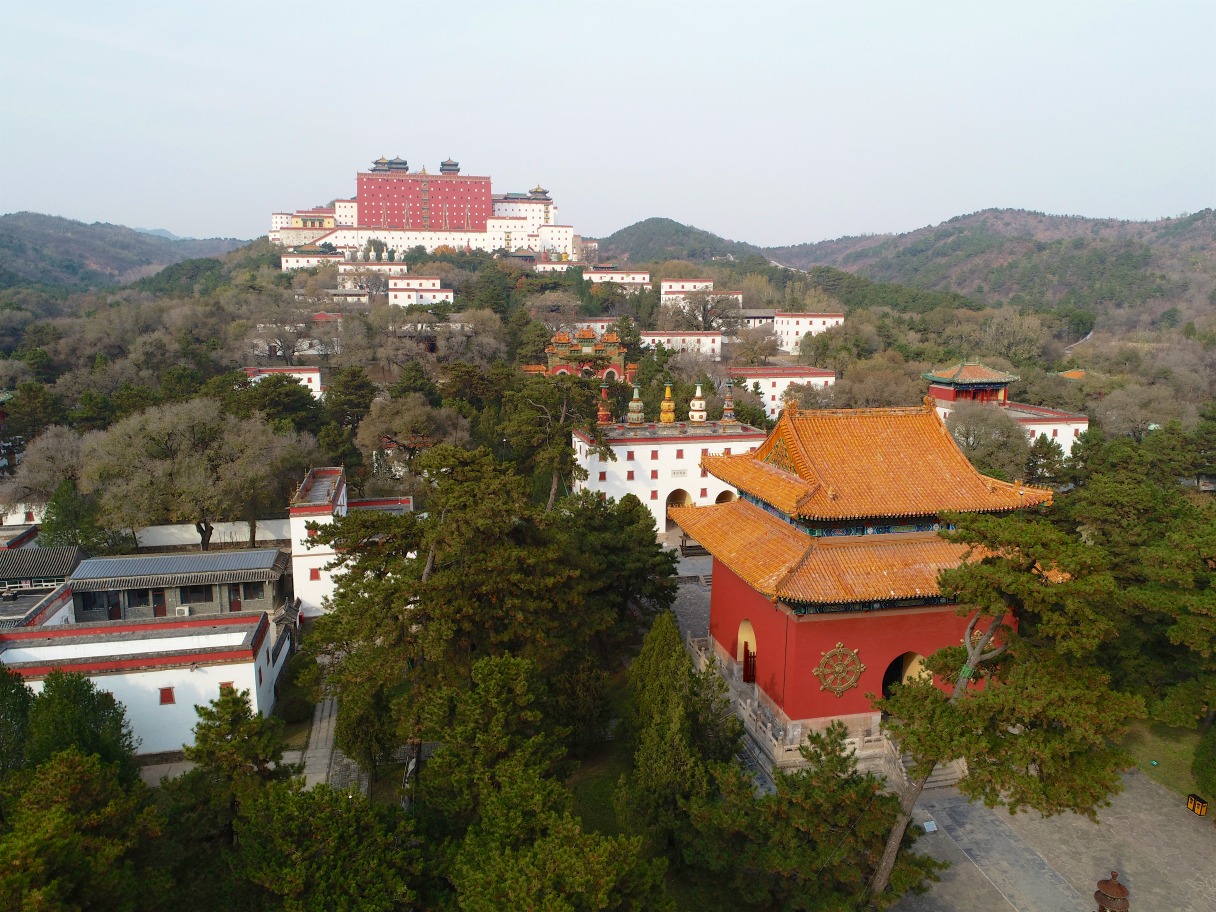
Puning Temple offers concrete insight into the relations between the Qing court and the Tibetan and Mongolian frontiers in the 18th century. Its northern section reproduces the layout of Samye Monastery, the first Buddhist monastery in Tibet, while the southern section follows the classical Chinese plan. This rare dual architectural identity makes the site a textbook example for understanding Emperor Qianlong's religious diplomacy.
Beyond its architecture, the rich iconography of the halls (celestial kings, bodhisattvas, buddhas of the three times) and the monumental Guanyin statue are reason enough to venture here from Chengde.
History
The temple was constructed in 1755 under Emperor Qianlong of the Qing Dynasty. Its foundation followed the victory of imperial armies against the Dzungar rebels, a Mongol people from the northwest. The emperor had this sanctuary built as a sign of pacification among the empire's ethnic groups, hence its name, Universal Peace.
The plan was directly inspired by Samye Monastery, a foundational Lamaist site in Tibet. This reference is not incidental: by reproducing a major center of Tibetan Buddhism within the emperors' summer residence, Qianlong asserted both the spiritual and political significance of his victory. The architecture deliberately blends Chinese and Tibetan styles.
In 1994, the temple and all eight Outer Temples were inscribed as UNESCO World Heritage sites, alongside Chengde's Imperial Mountain Resort.
What to See On Site
The Chinese Axis and Its Successive Halls
The visit follows a north-south route marked by several halls:
- Buddha Hall: home to the Four Celestial Kings, guardians of the four cardinal directions.
- Bodhisattva Hall: houses the goddesses of compassion, wisdom, and benevolence.
- Hall of the Buddhas of Past, Present, and Future: the three buddhas are surrounded by their 18 disciples.
- Twin Libraries: arranged symmetrically along the north-south axis, they frame the route before the grand pavilion.
The Mahayana Pavilion and the Guanyin Statue
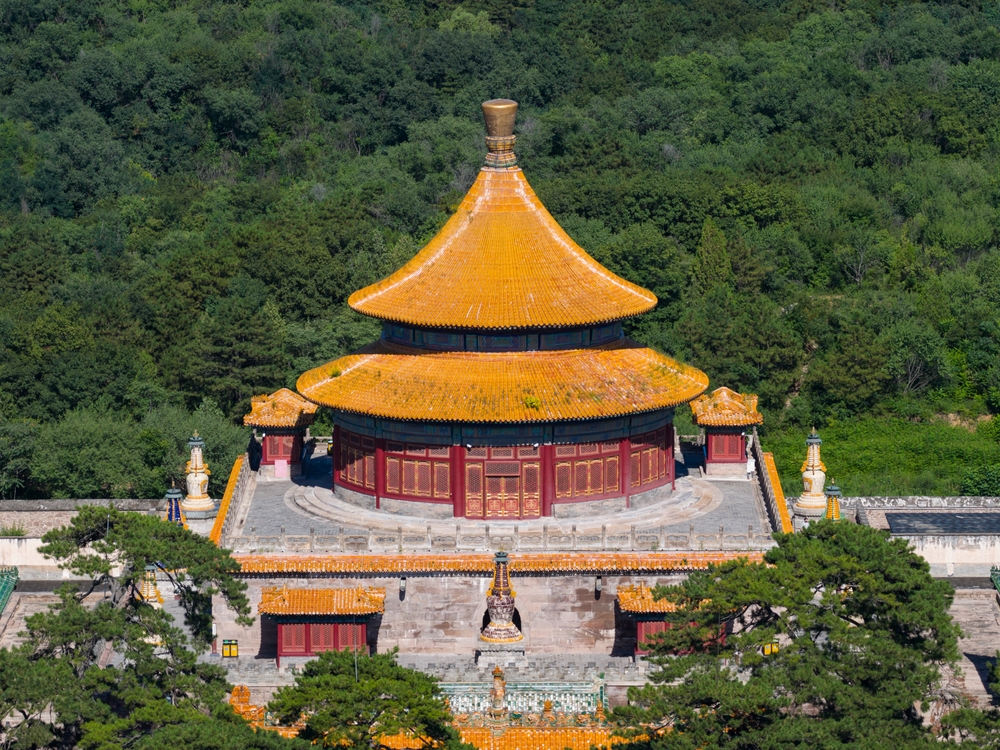
The highlight of the visit is found in the Mahayana Pavilion. It houses a wooden statue of the bodhisattva Guanyin nearly 23 meters tall, assembled from cypress, pine, and linden wood and covered with gilding. Guanyin displays 42 hands, each palm holding a distinct Buddhist symbol.
At her sides stand four figures: the Dragon Girl, the wealthy man in a bowing position, and the disciples Shancai and Longnü. Together they form a coherent iconographic scene, legible even for visitors unfamiliar with Mahayana Buddhism.
The Great Buddha Dashengge Hall
A hall dedicated to the Great Buddha Dashengge preserves murals and a Tibetan thangka in tantric style, bearing witness to the temple's deliberate syncretism.
Practical Information
- Visit Duration: allow 1.5 to 2 hours to explore the entire complex without rush.
- Admission Fees: paid entry, moderate rates, varying by season (high season April to October, low season November to March). Check the current rate at the ticket office.
- Hours: open daily, with extended hours during peak season.
- Dress Code: wear modest, covered clothing out of respect for this place of worship, as some halls remain active ceremony spaces.
When to Visit
Chengde was historically the summer residence of Qing emperors, chosen for its milder climate than Peking. The best period extends from May through early October, when temperatures are pleasant and vegetation is in full bloom. Summer (July-August) remains China's peak tourist season, with increased crowds on weekends and holidays.
Autumn, in September-October, offers crisp light and colors particularly favorable for photographing roofs and stupas. Winter is harsh, and some halls may be less accessible.
How to Get There
The temple is located northeast of Chengde city, approximately 1 km from the Imperial Mountain Resort. From the city center, bus line No. 6 serves the temple directly. Taxis and rideshare services are also quick and inexpensive options to reach the site.
Chengde is accessible from Beijing by high-speed train (approximately 1 hour) or regular train (4 hours).
Nearby Attractions
Puning Temple is part of a coherent complex that is best not visited in isolation:
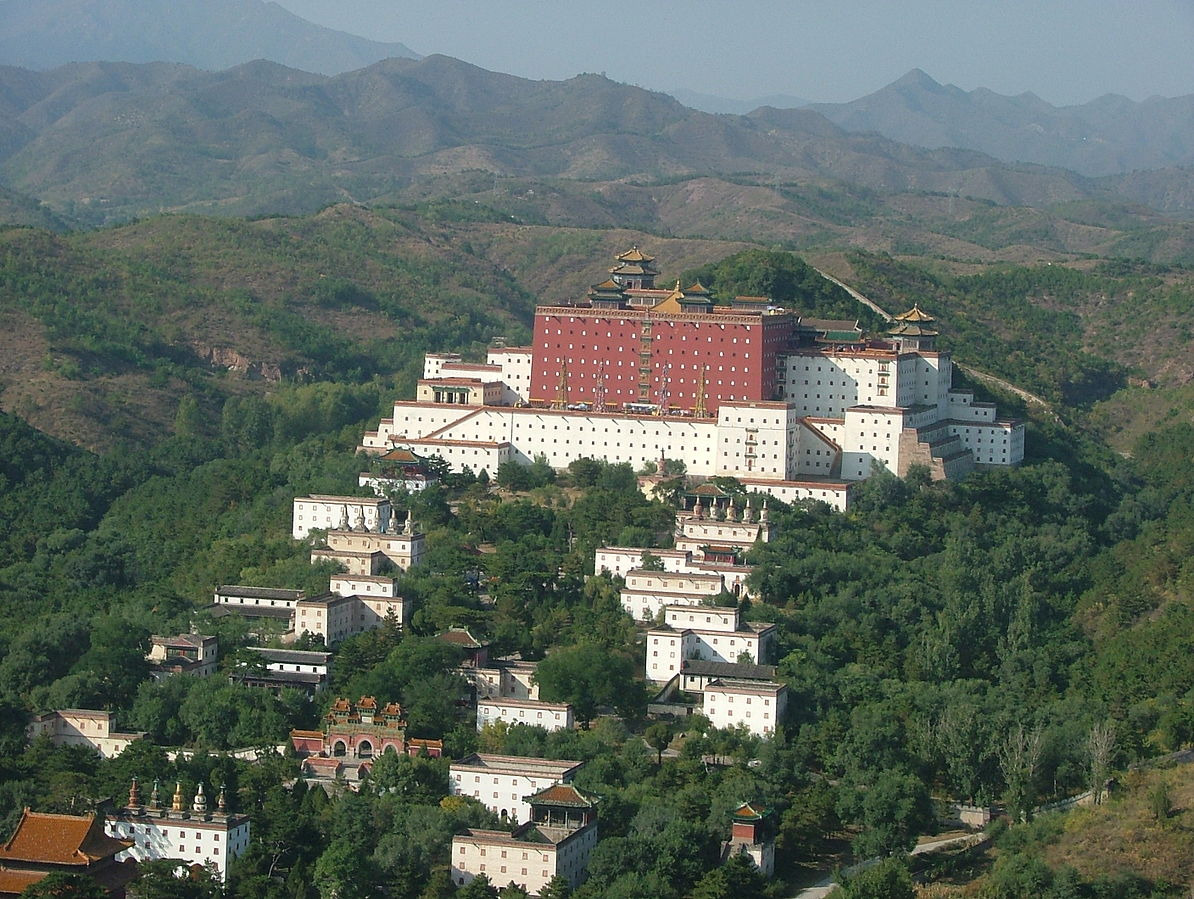
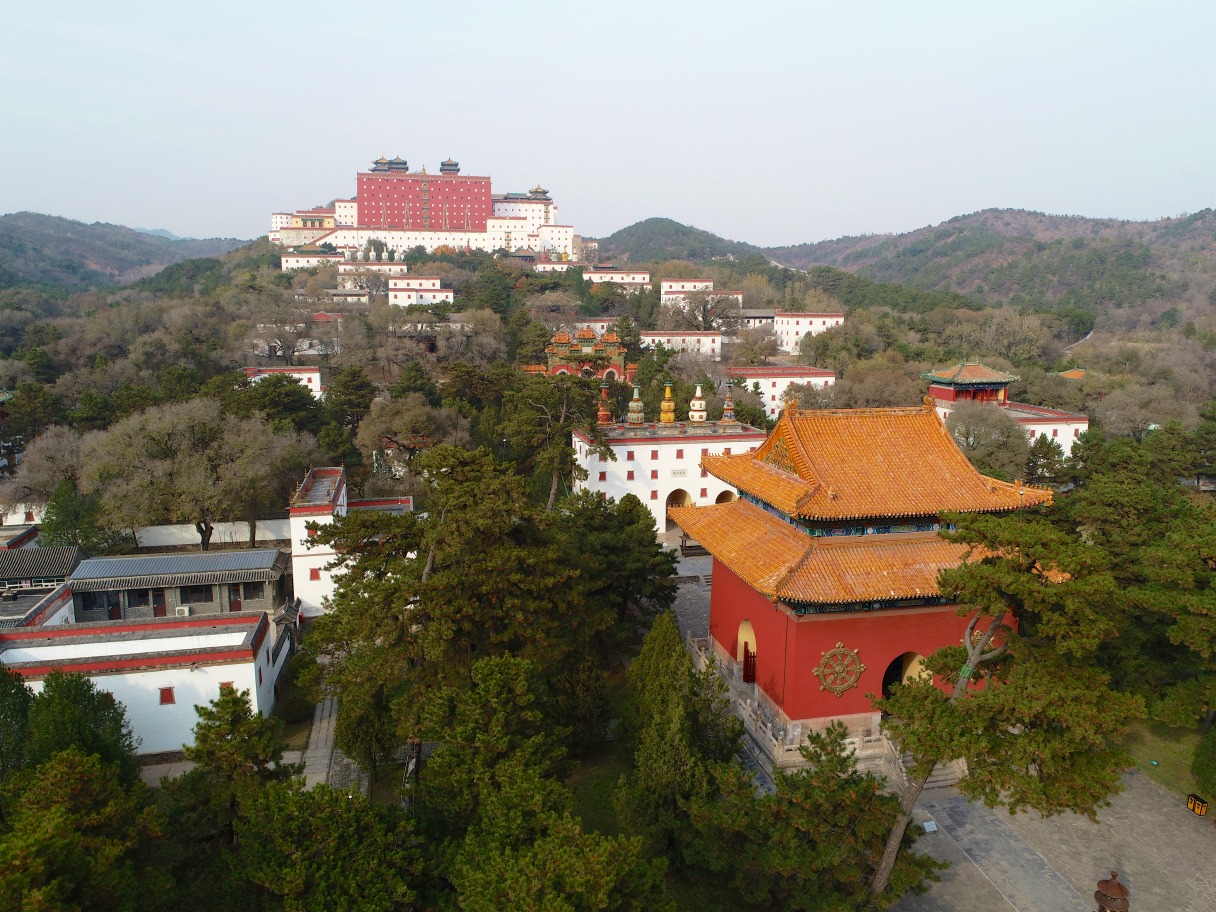
- Putuo Zongcheng Temple: a direct neighbor, nicknamed the "Little Potala" as it was inspired by the palace in Lhasa.
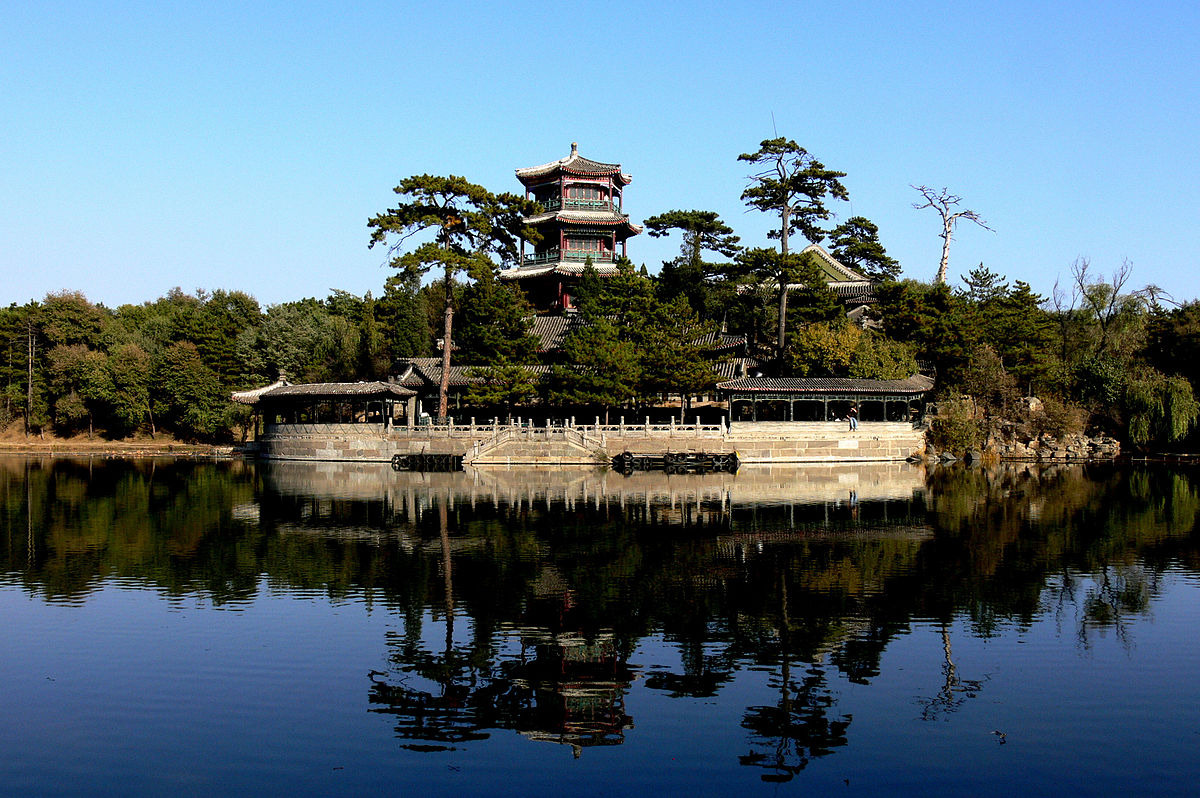
- Imperial Mountain Resort of Chengde: a vast imperial park with lakes, pavilions, and wooded areas, inscribed as a UNESCO World Heritage site.
- The other Outer Temples, scattered around the imperial residence, complete the understanding of Qianlong's architectural program.
To prepare your urban stop, consult our guide to Chengde. If you combine your stay with other stops in the north, the Hexigten Geopark in Inner Mongolia and the Great Wall at Juyongguan are logical extensions.
Frequently Asked Questions
Frequently asked questions
Include Puning Temple in Your Journey
Puning Temple naturally integrates into an itinerary combining Beijing, Chengde, and the Inner Mongolian frontier regions. To build a custom itinerary that includes the Outer Temples and the Imperial Mountain Resort, consult our journeys in Chine.
Nearby
Interested in this visit?
We can include it in your personalised itinerary.