Ramoche Temple
Ramoche Temple
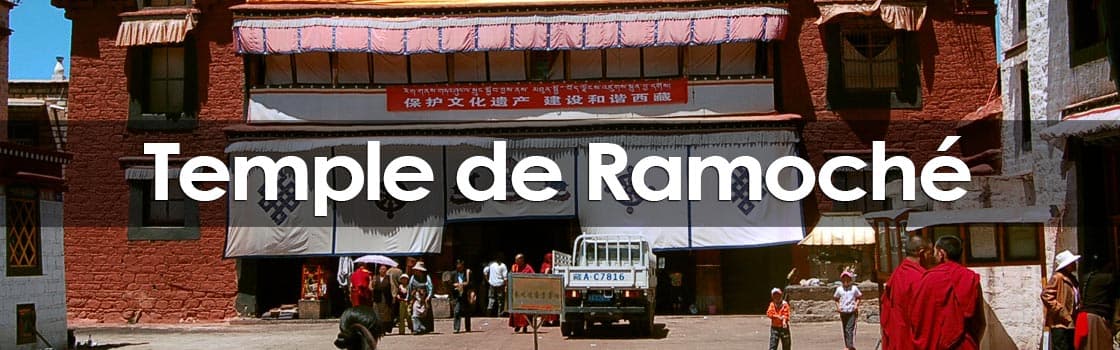
The second Buddhist temple in Lhasa after Jokhang, Ramoche houses the statue of the young Buddha Sakyamuni and exemplifies the fusion of Tang Chinese and Tibetan architectural styles.
Ramoche Temple ranks as the second most important Buddhist sanctuary in Lhasa, after Jokhang. Built in the 7th century under King Songtsän Gampo, it now houses a life-size statue of the young Buddha Sakyamuni and stands as a testament to the architectural meeting of Chinese and Tibetan traditions.
Why Visit Ramoche Temple
Often overshadowed by its celebrated neighbor Jokhang, Ramoche Temple offers a quieter experience that is equally spiritually charged. It bears witness to Buddhism's introduction to Tibet in the 7th century and preserves one of the country's most venerated statues. Its architecture, blending Tang style with Tibetan aesthetics, makes it one of the rare religious buildings where one can directly read the historical connections between imperial China and the Tibetan plateau. For those seeking to understand the formation of Tibetan Buddhism, this temple logically complements a visit to Jokhang.
Temple History
Ramoche Temple was built in the 7th century under the reign of King Songtsän Gampo, Tibet's first unifying ruler. According to tradition, it was constructed for Princess Wencheng, the Chinese wife of the sovereign, while Jokhang was built for the Nepali princess Bhrikuti. Each bride brought a statue of Buddha Sakyamuni as part of her dowry: Ramoche originally housed the Jowo Rinpoche, the Buddha statue brought from China by Wencheng.
The temple subsequently endured a turbulent history: plundered during a Mongol invasion, ravaged by fire, then renovated multiple times. It became the Assembly Hall of Lhasa's Higher Tantric University and, at its height, housed up to 500 monks. Damaged during the Cultural Revolution, it underwent extensive restoration completed in 1986, the state in which visitors encounter it today.
What to See
The temple spans roughly 4,000 square meters. Its gates face east, a particularity attributed to Princess Wencheng, who is said to have wanted to face China, her homeland. The main building rises across three levels:
- First floor: an atrium serving as a writing hall.
- Second floor: the Buddha Palace, with its characteristic arched corridors.
- Third floor: the chamber of the Dalai Lamas who stayed there.
Inside, ten pillars adorned with lotus flowers, sculpted jewels, and Tibetan inscriptions support the main hall. The roof commands attention with its gilded peak and inverted eaves, two elements characteristic of Han style, which contrast with the Tibetan motifs of the rest of the structure. This ensemble concretely illustrates the blending of Chinese (Tang) and Tibetan architectural styles.
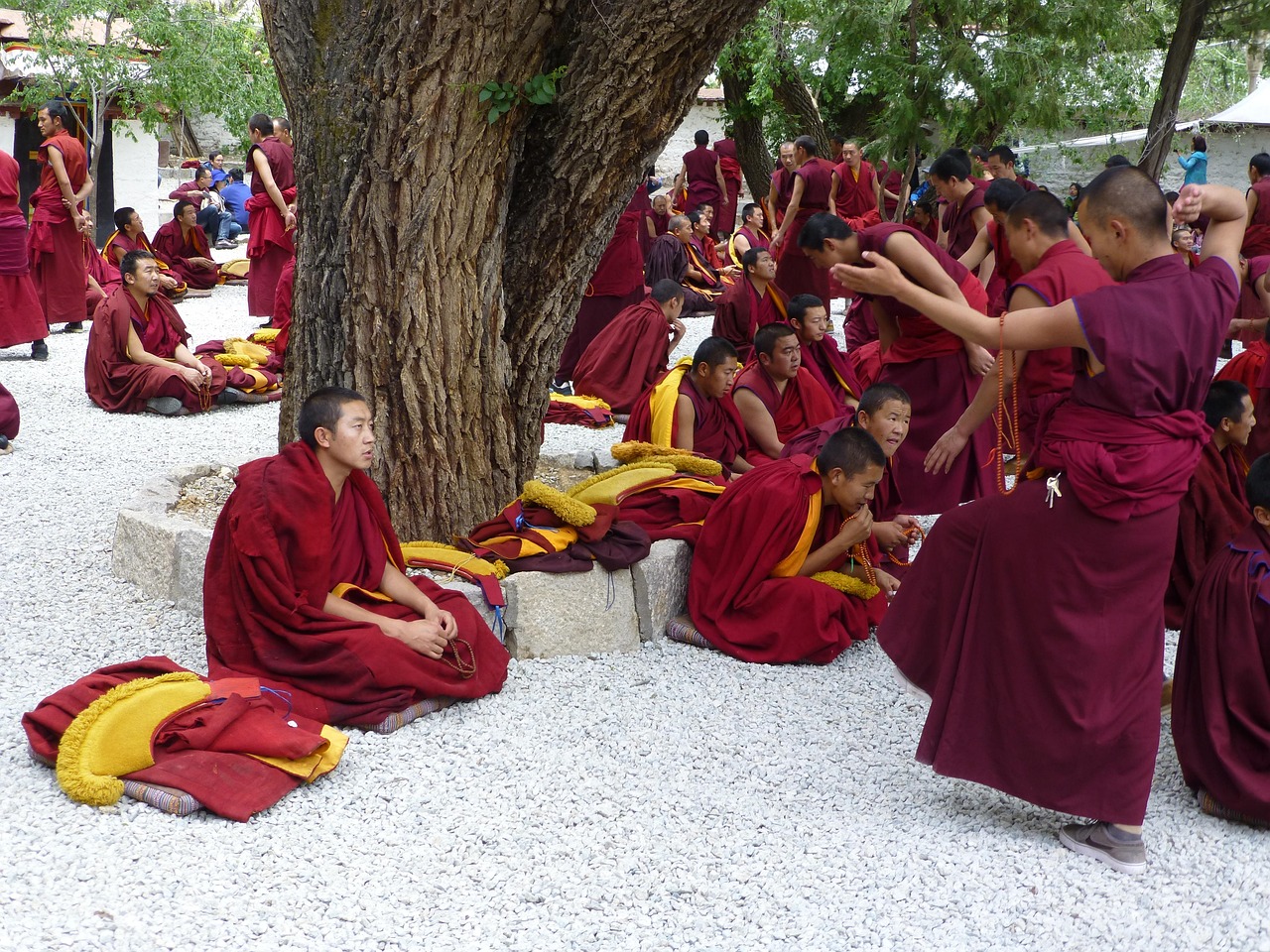
The centerpiece remains the life-size statue of Buddha Sakyamuni at age eight, an object of veneration for centuries. Today the temple functions as a center for studying Mi Zong, the tantric school dedicated to training Tibetan monks.
Practical Information
A visit typically takes about an hour, longer if you take time to observe the frescoes and carved details. Entry fees remain reasonable and opening hours span the full day. As in all Tibetan sanctuaries, one proceeds clockwise, and photography is generally forbidden inside chapels. Modest dress is required.
When to Visit
Lhasa is best visited between April and October, when temperatures are mild and the sky often clear. Spring and autumn offer the best conditions, as summer can bring monsoon rains to the plateau. The altitude (approximately 3,650 meters) requires a few days of acclimatization before any intensive visiting. Mornings are often the quietest for entering the temple, before tour groups arrive.
How to Get There
Ramoche Temple sits in an alley off Tuanjie Lu, northwest of Lhasa's old town. From Jokhang or Barkhor Square, allow about fifteen minutes' walk northward. Most visitors reach it on foot, as the route naturally connects with other historic sites in the old quarter. By taxi from outside the center, provide the temple's Tibetan name or its address in Chinese characters, which drivers find easier to recognize.
Nearby Attractions
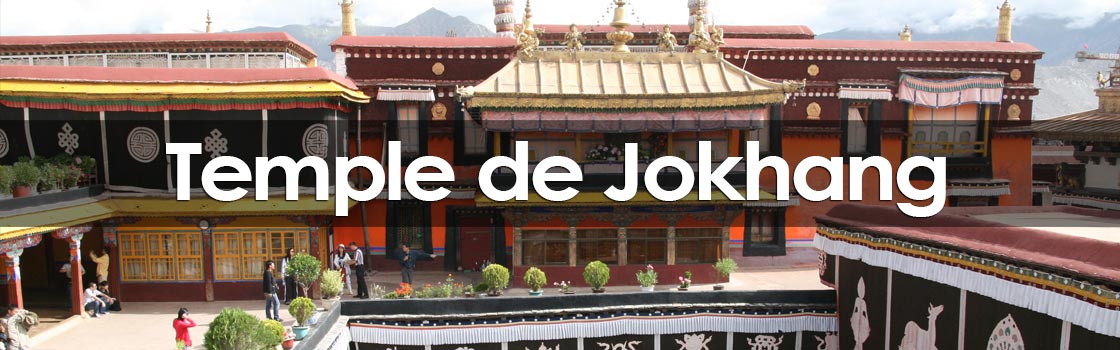
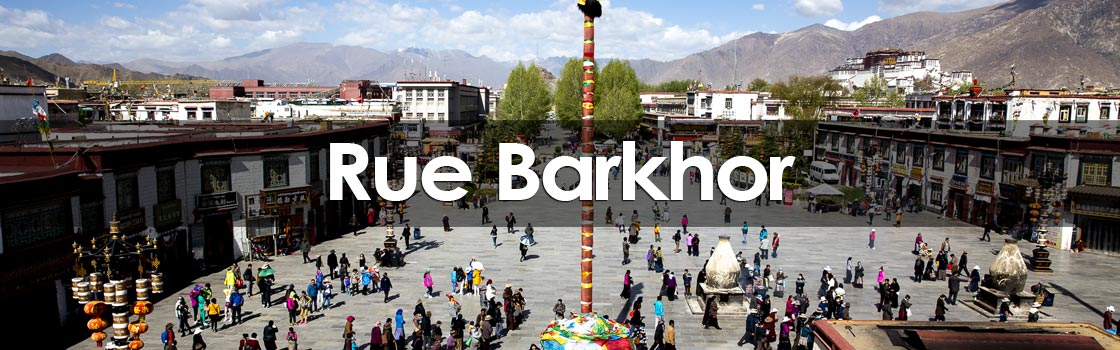
A visit to Ramoche logically fits into an itinerary through Lhasa's old town. The Jokhang Temple, its historic counterpart founded for the Nepali princess Bhrikuti, lies just a few minutes' walk away and makes an indispensable complement. The Barkhor district surrounding it preserves an authentic pilgrimage atmosphere with its alleyways, artisan workshops, and prayer wheels.
Frequently Asked Questions
Frequently asked questions
Plan Your Journey
Ramoche Temple naturally fits into a cultural itinerary across the Tibetan plateau, combining Buddhist heritage with high-altitude landscapes. To craft a journey suited to your interests, explore our China travel ideas.
Nearby
Interested in this visit?
We can include it in your personalised itinerary.