Chengde Imperial Summer Residence
Chengde Imperial Summer Residence
A UNESCO World Heritage Site, the Qing emperors' summer residence in Chengde unites palaces, lakes, and recreated landscapes across 611 hectares, 230 km north of Beijing.
Known as Bishu Shanzhuang ("Mountain Hamlet for Escaping the Heat"), the Imperial Summer Residence of Chengde stands as one of the Qing dynasty's greatest achievements. Located 230 km northeast of Beijing in Hebei province, it sprawls across 611.2 hectares and constitutes China's most extensive complex of imperial palaces, gardens, and temples. The entire site has been inscribed on the UNESCO World Heritage List since 1994.
Why Visit Chengde's Residence
The site offers a unique window into Chinese imperial art: within a single domain, the Qing emperors recreated in miniature several landscapes of their empire, from the waterways of Jiangnan to the Mongolian steppes. This diversity, coupled with architectural restraint compared to the Forbidden City, makes it one of northern China's greatest historical destinations. The summer climate, cooler than Beijing, extends the appeal of a visit during the warm season.
In total, the complex encompasses 110 structures within walls stretching roughly 10 km, set amid lakes, plains, and forested hills.
History of the Summer Residence
Construction of the estate spanned 89 years, from 1703 to 1792, under three successive Qing emperors: Kangxi, who laid the foundations, Qianlong, who expanded it considerably, and Jiaqing, who completed it. Beyond providing summer comfort, the site served a political function: the Qing sovereigns received ambassadors, Mongolian and Tibetan dignitaries, and conducted state affairs during prolonged imperial stays.
The choice of Chengde was deliberate. The city sits at the frontier between Han China, Mongolia, and Manchuria—the ancestral lands of the Qing dynasty. The residence thus symbolized the political unity of a multicultural empire, which also explains the presence of eight exterior temples built on the surrounding hills.
UNESCO inscription in 1994 recognized the ensemble formed by the residence and its neighboring temples as an exceptional testimony to the final golden age of Chinese imperial rule.
What to See in the Complex
The Four Palace Groups
The palatial sector comprises four distinct ensembles: the Central Palace, the Pavilion of the Crane and Pines, the Pavilion of Countless Ravines and Wind, and the Eastern Palace. These buildings hosted official ceremonies, audiences, and imperial quarters. Their architecture favors dark wood and restraint, a stark contrast to the reds and golds more prominent in Beijing. North of the complex, a palace with red tiles and pavilions adorned with yellow and turquoise tiles provide striking visual counterpoints.
Three Landscapes, Three Regions of the Empire
The park divides into three major landscape zones, each evoking a different region of China:
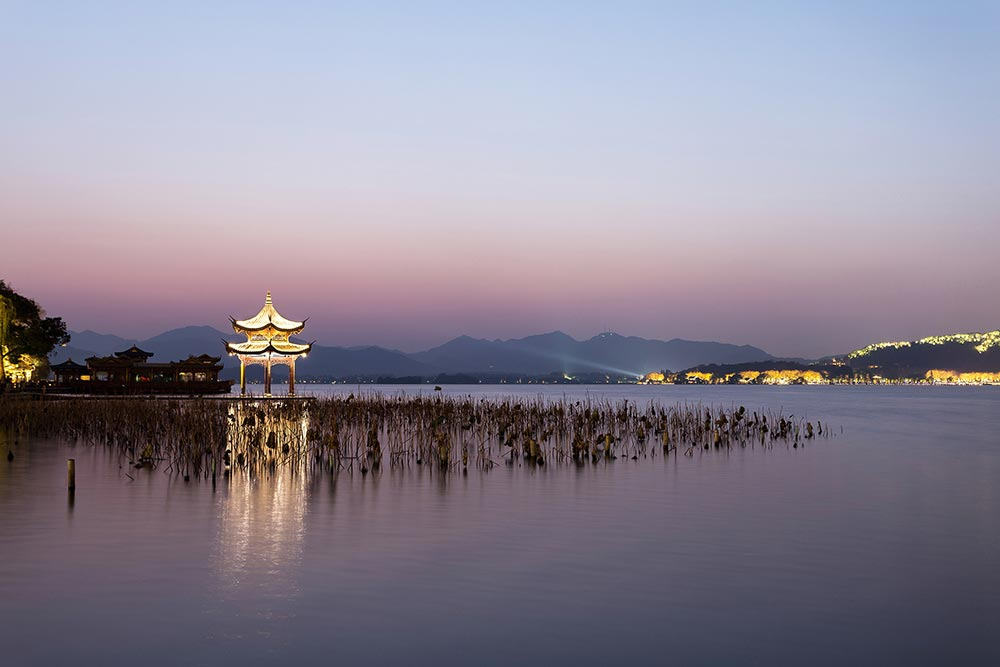
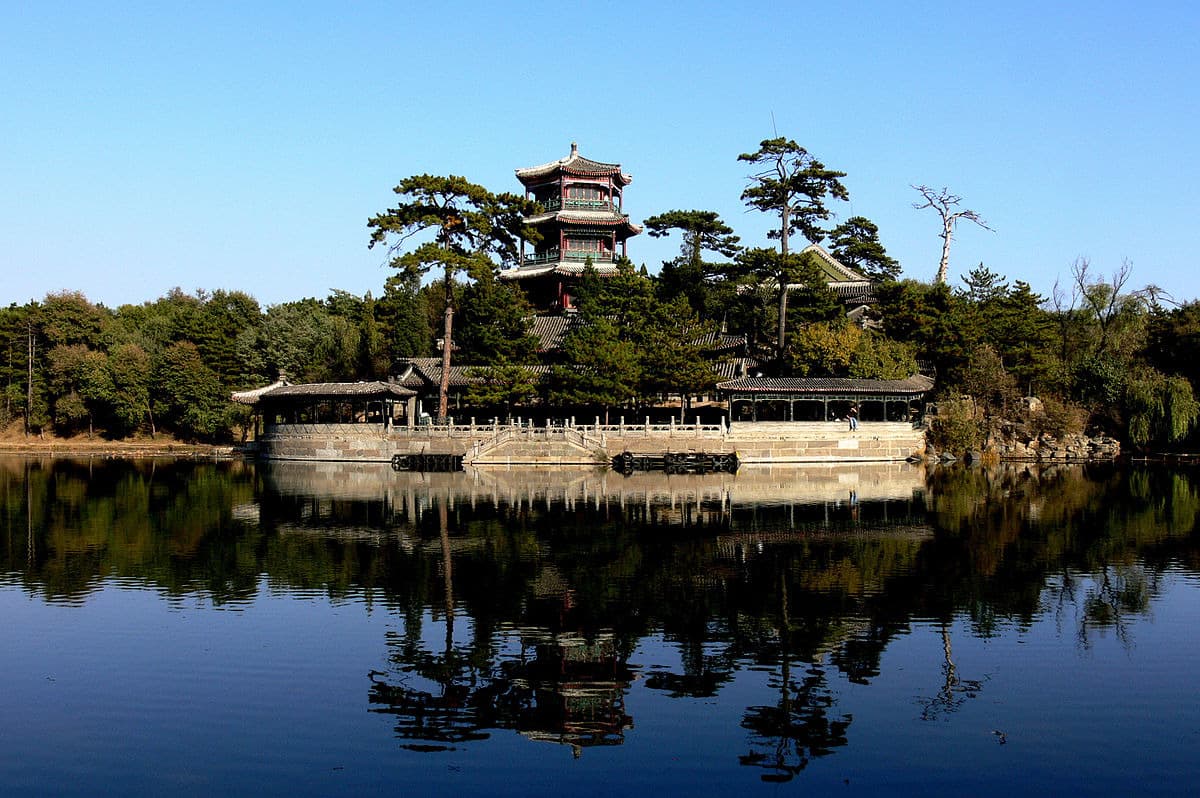
- The lakes and islets zone, at the center, recalls the waterscapes of the south (Hangzhou, Suzhou);
- The western grassland, open and verdant, evokes the prairies of Inner Mongolia;
- The forested eastern zone, populated with century-old trees, references the Daxing'an forest in the northeast.
This geographical staging is among the site's most distinctive features: strolling through the park is to traverse symbolically several provinces.
The 72 Scenic Sites
The estate comprises 72 "scenic sites": 36 developed under Kangxi, with 36 more added by Qianlong. Many reproduce celebrated monuments and gardens from southern China, including the Nahu Lake Tower and compositions inspired by Hangzhou and Suzhou. The ensemble functions as a landscape catalog of the empire for the sovereigns' use.
When to Visit Chengde
The residence is open year-round, but the finest periods are May through October, with particular merit given to September and October: mild temperatures, relatively low visitor numbers, and beautiful autumn colors in the forested zone. Summer (July-August) recreates the site's original purpose—escaping Beijing's oppressive heat—but coincides with peak Chinese tourist season. Winter is rigorous, and parts of the park, especially frozen lakes, assume a very different character; visits remain possible but operating hours are reduced.
Practical Information
- Duration of visit: allow half a day to a full day to tour the four palaces and three landscape zones. The perimeter is extensive; plan on comfortable walking shoes.
- Admission: paid entry, higher during peak season (April-October) than low season. Discounts available for students and seniors according to current policies.
- Hours: opens early morning through late afternoon, with extended hours in summer. Verify current hours before departure.
- Tips: begin in the palace sector to the south, then proceed toward the lakes and western plain. Water and a hat are recommended in summer.
How to Get There
From Beijing, several options connect you to Chengde:
- High-speed train: the rail line between Beijing and Chengde reaches the city in approximately one hour—today the most practical option.
- Long-distance bus: regular service from Beijing's bus terminals; allow around 4 hours depending on traffic.
- On site: the residence is served by several urban bus lines stopping at the Bi Shu Shan Zhuang station. Taxis and ride-hailing services are also straightforward options from the city center.
To set the context for your visit, consult our guide to the city of Chengde.
Nearby Attractions
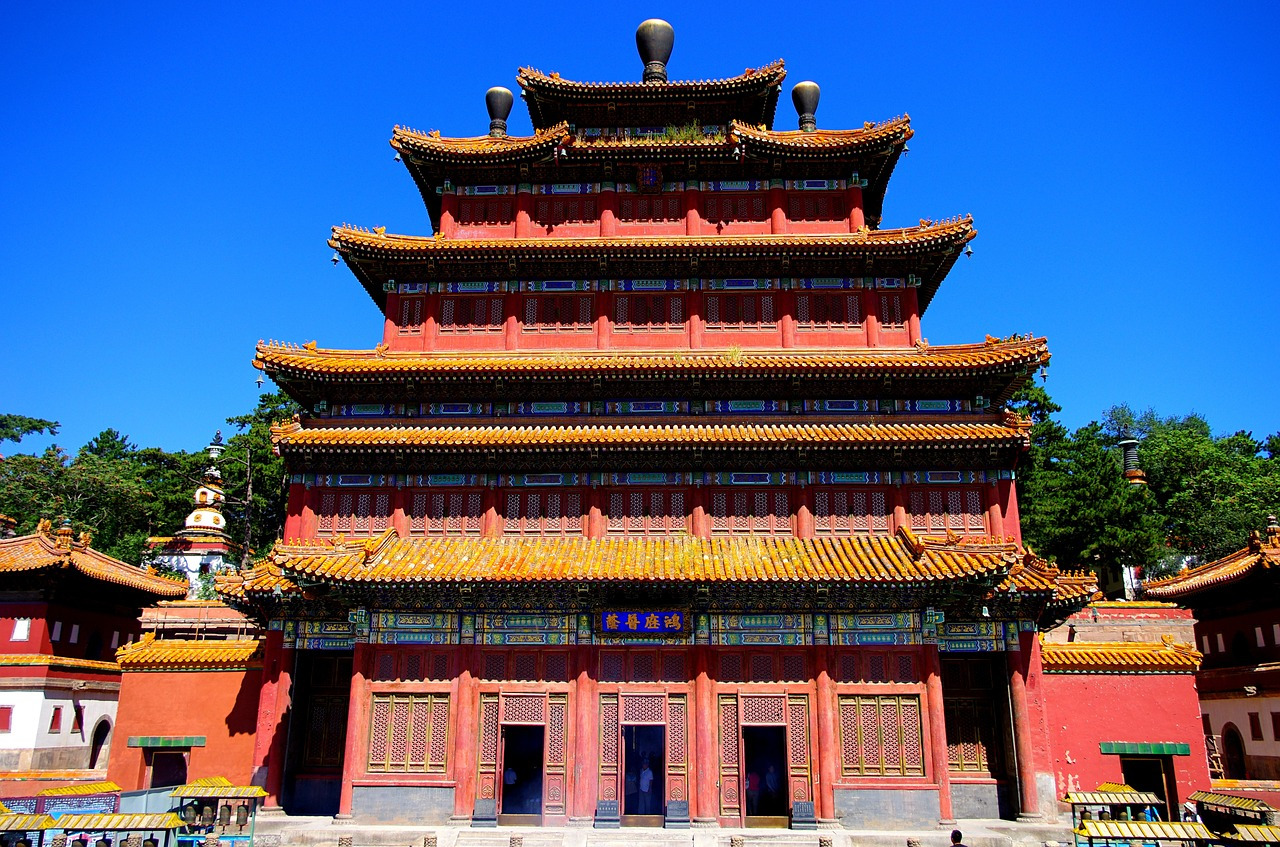
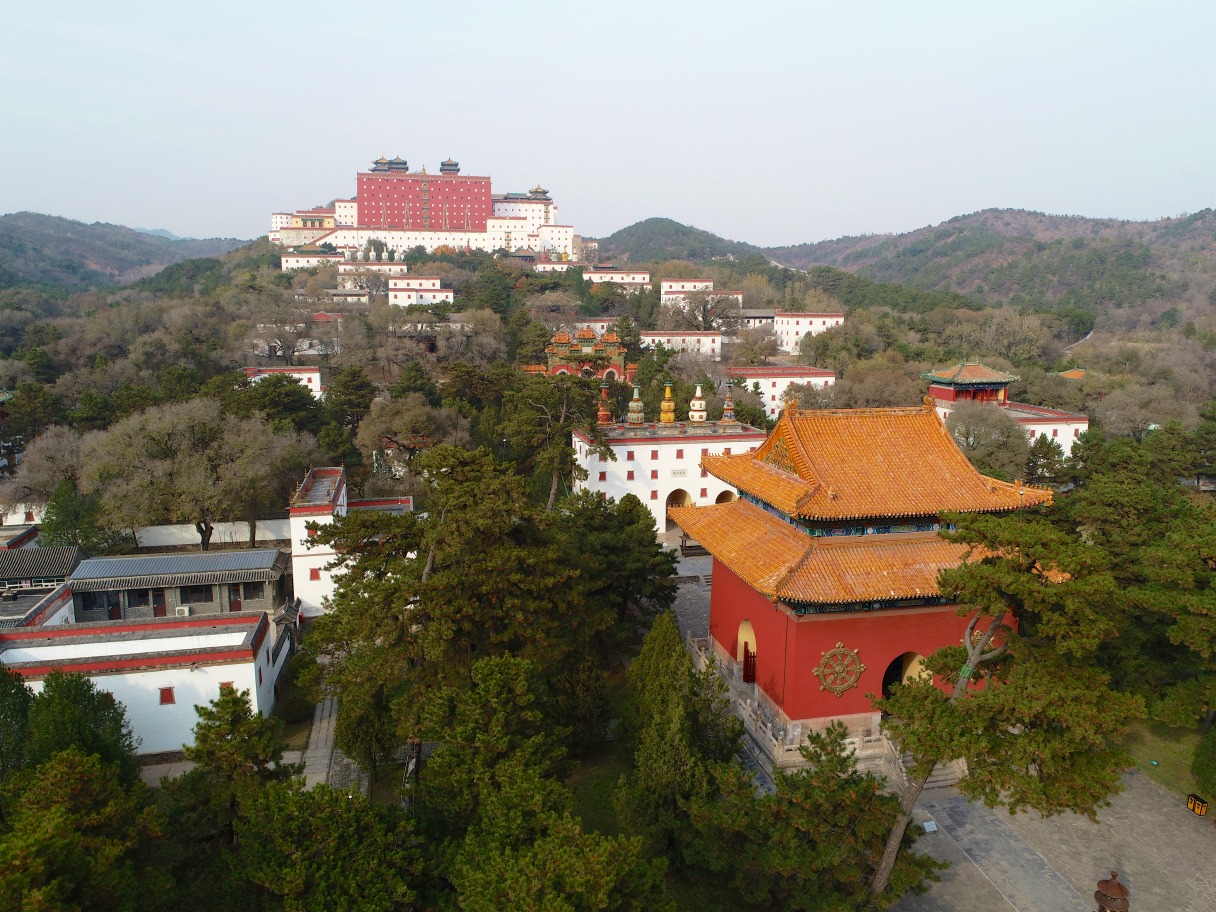
The UNESCO inscription encompasses the summer residence and the eight exterior temples built on the surrounding hills. They naturally extend your visit:
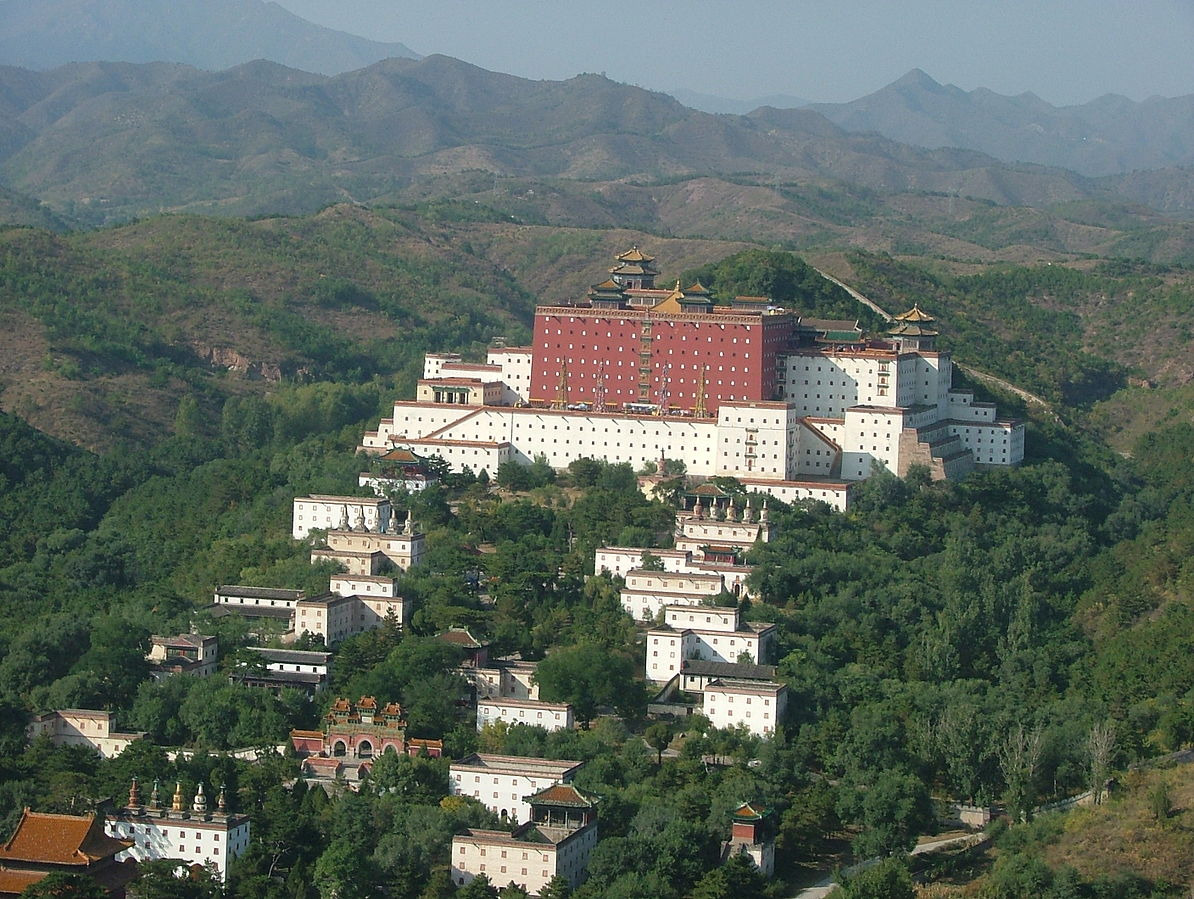
- Putuo Zongcheng, inspired by Lhasa's Potala, is the most impressive;
- The Puning temple houses a monumental wooden statue of Guanyin;
- Several other temples (Puren, Pule, Anyuan, Pushan, Shuxiang, Xumi Fushou) complete the ensemble and testify to the Qing dialogue with Tibetan and Mongolian Buddhism.
To expand your itinerary through northern China, you may combine Chengde with the Great Wall at Juyongguan or explore further the Hexigten Geopark in Inner Mongolia.
Frequently Asked Questions
Frequently asked questions
Half a day is sufficient for the palace sector and a tour of the main lakes. To also explore the western plain and forested zone to the east, plan for a full day.
Yes, thanks to the high-speed train connecting the two cities in approximately one hour. However, an overnight stay is recommended to combine the residence with the exterior temples.
The months of May through October offer the finest conditions. September and October are particularly appreciated for their mild temperatures and the park's autumn colors.
No. The eight exterior temples have separate tickets, purchased on site. Several can be combined in a single day according to your pace.
Because the Qing emperors stayed here in summer to escape Beijing's oppressive heat. The altitude and vegetation maintain cooler temperatures than the plains below.
Plan Your Journey
Chengde fits naturally into a northern China circuit, between the Great Wall, Beijing, and the Mongolian steppes. To build a custom itinerary, consult our China travel suggestions.
Nearby
Interested in this visit?
We can include it in your personalised itinerary.