Forest of Stelae Museum
Forest of Stelae Museum
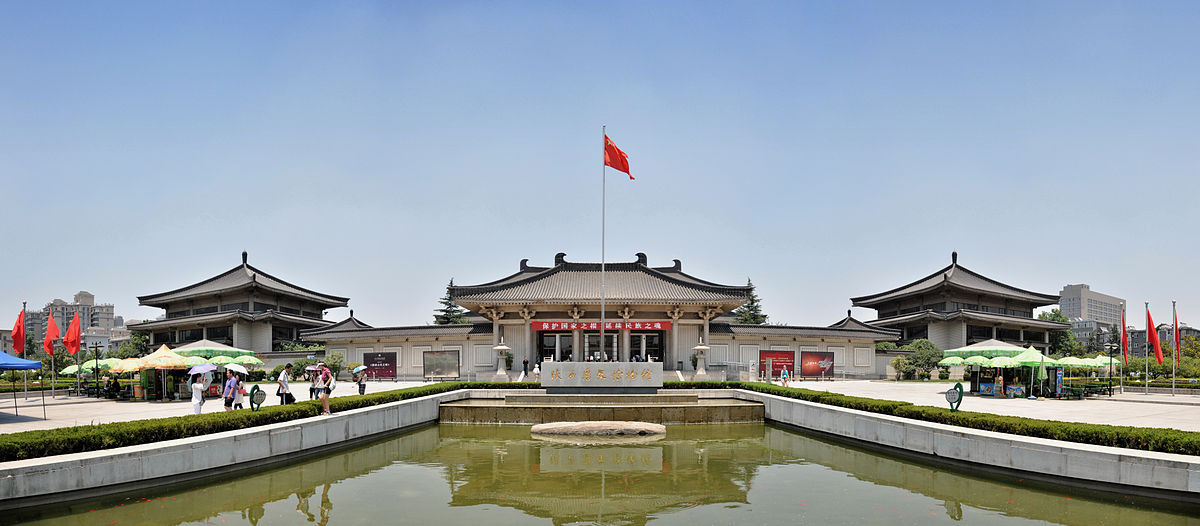
Housed in a former Confucian temple in Xian, the Beilin Museum brings together 2,300 engraved stelae that trace two millennia of Chinese history.
The Forest of Stelae Museum, also known as the Beilin Museum, houses the largest collection of engraved stelae in Chine. Situated within a former Confucian temple in the heart of Xian, it brings together more than 2,300 pieces that trace nearly two millennia of calligraphic, literary and religious history, from the Han dynasty to the fall of the empire in 1911.
Why visit the Beilin Museum
This site appeals to several types of visitors:
- Calligraphy enthusiasts: the stelae feature works signed by the great masters of the Tang, Song and Ming dynasties, forming a reference for classical Chinese writing.
- History lovers: the inscriptions cover foundational Confucian texts, imperial edicts, poems and narratives that constitute a genuine stone library.
- Visitors seeking tranquility: unlike the Terracotta Army or the city walls, the museum remains relatively uncrowded and allows for a leisurely visit.
Plan for approximately 3 hours to explore the seven halls without rushing.
Museum history
The original building is the Wenmiao Temple, dedicated to Confucius and built during the Song dynasty (960-1279). It initially housed only two reference stelae. In 1078, the space was redesigned to accommodate more than a hundred "stone books" that authorities wished to preserve from destruction.
Over the centuries, the collection grew with stelae from throughout Shaanxi province. The ensemble spans Chinese history from the Han dynasty (206 BCE – 220 CE) to the fall of the empire in 1911. The museum's official site was established on this foundation in 1944, making Beilin one of the world's oldest epigraphic museums.
What to see in the seven halls
The museum spans 31,000 m² and is organized into seven exhibition halls, each dedicated to a period or theme.
Main hall: Confucian classics
Fourteen stelae bear the twelve classical texts of the Confucian canon, including the Analects. These engravings served as official models for scholars preparing for imperial examinations.
Hall 2: Tang calligraphy
This hall brings together works by the great calligraphers of the Tang dynasty (618-907), a period considered the golden age of Chinese writing.
Hall 3: other calligraphic styles
Here you will observe inscriptions from different periods, illustrating the evolution of regular, cursive and semi-cursive scripts.
Hall 4: stone sculpture
Approximately 200 stone sculptures span the period from the Han to the Tang. You will find portraits of Confucius as well as Buddhist writings engraved during the Tang.
Hall 5: Song dynasty history
Stelae documenting the political, economic and cultural events of the Song dynasty.
Halls 6 and 7: poetry
These two halls present engraved poems, an anthology that creates dialogue between the verses of great poets and the calligraphic gesture.
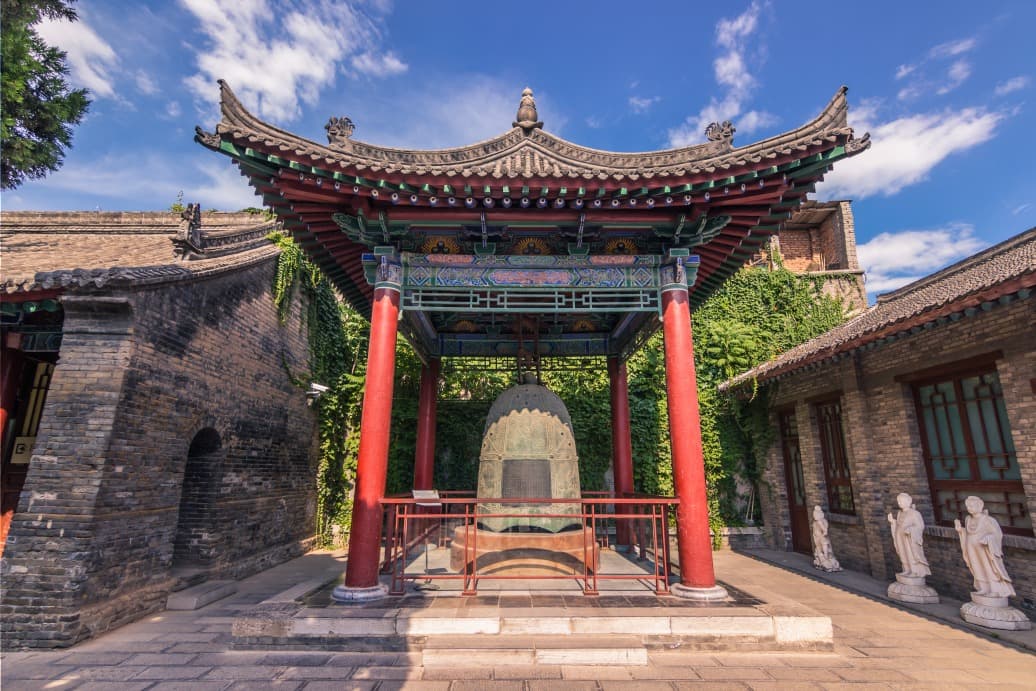
The buildings are connected by tree-lined interior courtyards, pleasant spaces for a break between halls.
Practical information
- Visit duration: plan for approximately 3 hours.
- Opening hours: museum open year-round, generally from 8am to 6pm, with slightly extended hours during peak season. Check official hours before your visit.
- Admission: paid entry at a moderate rate, slightly lower in winter.
- Tip: an audio guide or English-speaking guide is recommended to understand the content of the inscriptions, as few placards are translated.
Nearby attractions
The museum is located in the southeastern district of the walled old city, in close proximity to the Xian City Wall and the pedestrian Shuyuanmen Street, known for its traditional stationery shops, brushes and ink. Just a few kilometers away, the Great Goose Pagoda logically complements your discovery of the Buddhist and literary heritage of the ancient Tang capital. For a broader excursion covering major Chinese cultural sites, you might consider a detour to the Great Wall at Juyongguan when passing through Beijing.
How to get there
The museum is located within the city walls, on Shuyuanmen Street. Several urban bus lines serve the Wen Chang Men station, just a few minutes' walk from the entrance. From the Bell Tower (center of Xian), allow about twenty minutes by taxi or ride-sharing service. On foot, the site is easy to include in a walk along the southern walls.
Plan your trip
The Beilin Museum fits naturally into a cultural itinerary in Xian, an ancient imperial capital and starting point of the Silk Road. To plan a tailor-made journey including this stop, consult our trips to Chine.

Interested in this visit?
We can include it in your personalised itinerary.