Cao'an Manichaean Temple (草庵摩尼教遗址)
Cao'an Manichaean Temple (草庵摩尼教遗址)
Some 20 km from Quanzhou, the Cao'an temple preserves the only statue of Mani in the world in its original setting. A medieval rock-cut site of exceptional historical importance, UNESCO-listed.
About twenty kilometers southwest of Quanzhou, the Cao'an temple houses the only statue of Mani preserved in situ in the world. Carved into the rock in the 14th century, it bears witness to the Manichaean presence in Southern Chine during the Song and Yuan dynasties. The site, inscribed on the UNESCO World Heritage list as part of "Quanzhou: Emporium of the World in Song-Yuan Era", is understated yet of rare historical significance.
Practical Info at a Glance
- Admission: free (open access)
- Suggested duration: 30 to 45 minutes
- Dress code: respectful attire recommended, active place of worship
- Access: bus from Quanzhou city centre heading toward Jinjiang/Luoyang, then walk or local taxi
What You'll See
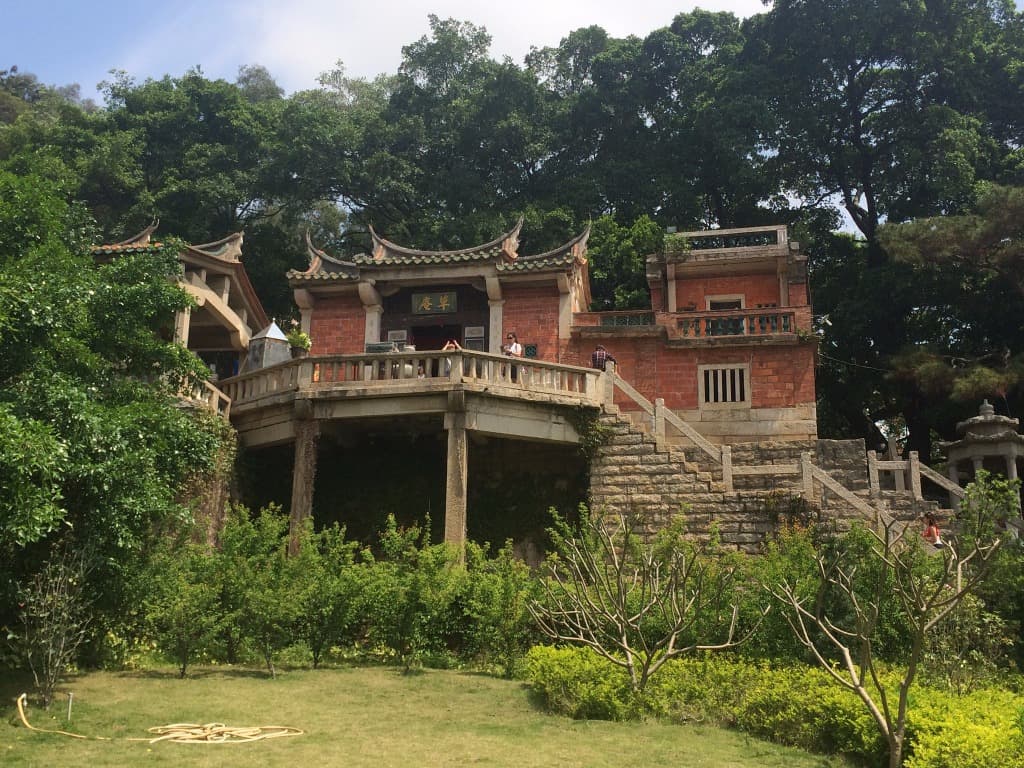
The heart of the site is a rock-cut niche carved into a sandstone cliff. The statue of Mani, about 1.5 metres tall, depicts the prophet seated and surrounded by stylized solar rays. The features are Buddhicized—a reflection of local syncretism. Around the niche, a few engraved steles and a small wooden pavilion complete the ensemble. The atmosphere is contemplative, far removed from urban bustle.
History and Context
Manichaeism, a religion founded by the prophet Mani in the 3rd century in Persia, reached Chine via the Silk Road. Banned repeatedly under the Tang, it survived in Fujian in syncretic forms, sometimes assimilated into Buddhism. The Cao'an statue was carved under the Yuan (14th century) and the site continued to be venerated locally, which explains its survival to this day. Quanzhou, a major medieval port open to the world, was the principal centre of this presence.
Highlights of Your Visit
The Rock-Cut Statue of Mani
Unique in the world in its original context, the sculpture strikes with its serenity and embraced syncretism. The rays carved around the face evoke light, a central theme of Manichaeism. Observing the details of the surrounding rock reveals partially legible inscriptions.
The Steles and Inscriptions
Several steles scattered across the site bear texts in classical Chinois relating the history of the temple and successive renovations. They constitute a valuable primary source for understanding the longevity of worship in the region.
The Natural Setting
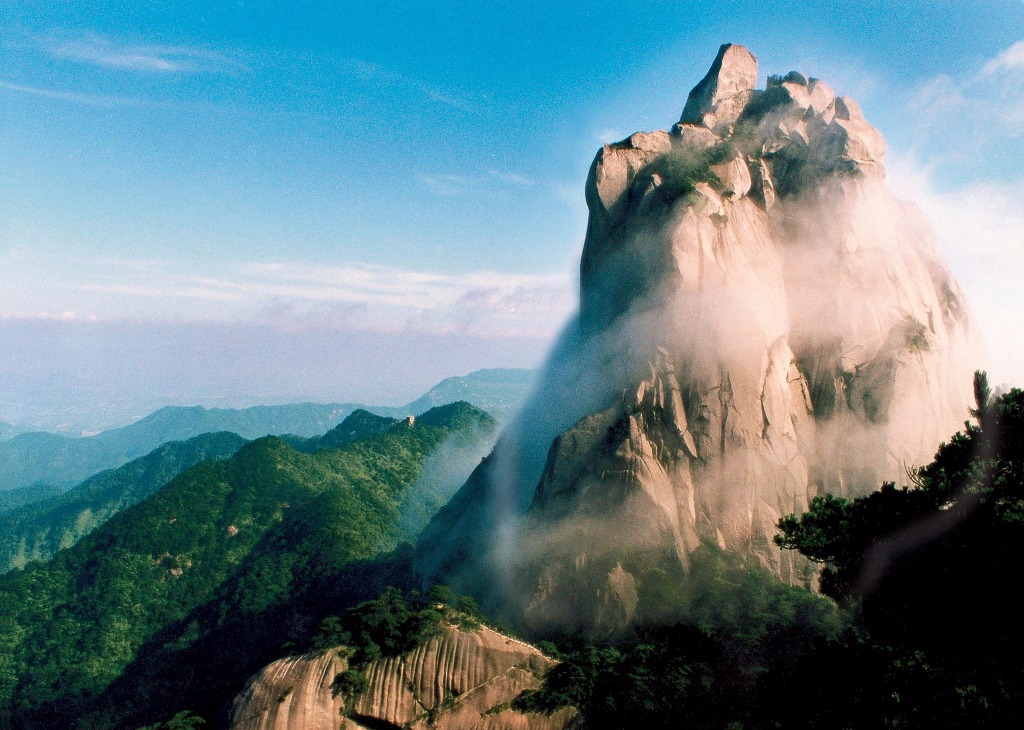
The temple is set against a wooded hillside. The access path traverses calm rural landscape, typical of the Fujian hinterland, which contrasts with the urban density of Quanzhou.
Etiquette and Rules of Visit
- The site remains a place of devotion: adopt respectful and silent behaviour near the niche.
- Do not touch the statue or the steles.
- Ask permission before photographing people in prayer.
Photography Tips
Morning light shines directly on the rock-cut niche and enhances the relief of the statue. At midday, the cliff is in shadow—ideal for avoiding glare. A standard lens (50 mm equivalent) is sufficient to frame the entire statue. Inscriptions on the steles photograph well in raking light, early in the morning.
Location and Access
Cao'an is located in Jinjiang District, approximately 20 km southwest of Quanzhou city centre. From Quanzhou bus station, buses serve the Jinjiang area; a taxi or rental vehicle is often more convenient for the final stretch. The site is poorly signposted in English: prepare the address in Chinese characters (草庵). Access on foot from the car park is easy, along a flat path.
Nearby
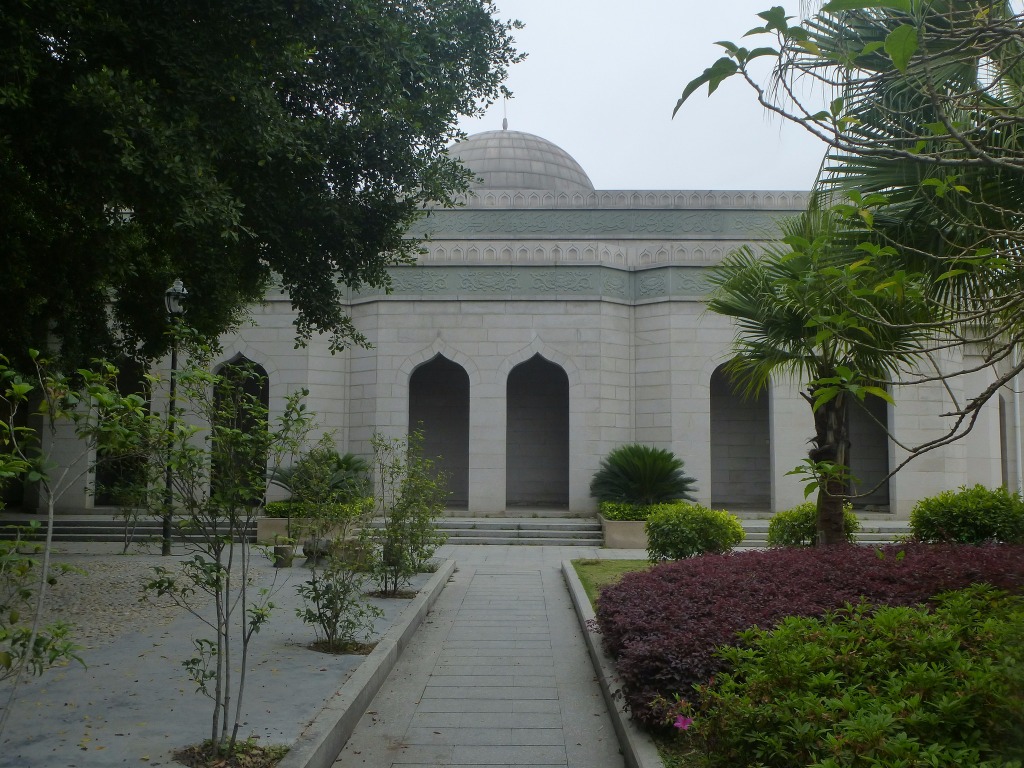
- Qingjing Mosque — one of the oldest mosques in Chine, in the heart of Quanzhou's old city.
- Kaiyuan Temple — large Tang Buddhist complex with its two iconic pagodas.
- Quanzhou Maritime Museum — collections on medieval commerce and the maritime Silk Roads.
- Luoyang Bridge — 11th-century Song stone bridge, a masterpiece of medieval engineering.
Frequently asked questions
Entry to the site is free.
Spring (March–April) and autumn (October–November) offer pleasant weather. Summer is hot and humid in Fujian; avoid typhoon days in late summer and early autumn.
Yes. Cao'an is visited in half a day; combine it with Luoyang Bridge (on the return route) and reserve the afternoon for city-centre sites such as Kaiyuan Temple or Qingjing Mosque.
Signs are principally in Chinois, with some English-language elements. Prepare your own documentation or hire a local guide to fully understand the historical context.
Photography is generally permitted, but be discreet near the niche and avoid using flash on the sculpture.
Interested in this visit?
We can include it in your personalised itinerary.