Temple of the Two Forests (Shuanglin Si)
Temple of the Two Forests (Shuanglin Si)
Shuanglin Si houses more than two thousand painted clay Buddhist statues spread across ten halls. UNESCO-listed, this thousand-year-old temple 6 km from Pingyao is one of Chine's best-preserved sculptural ensembles.
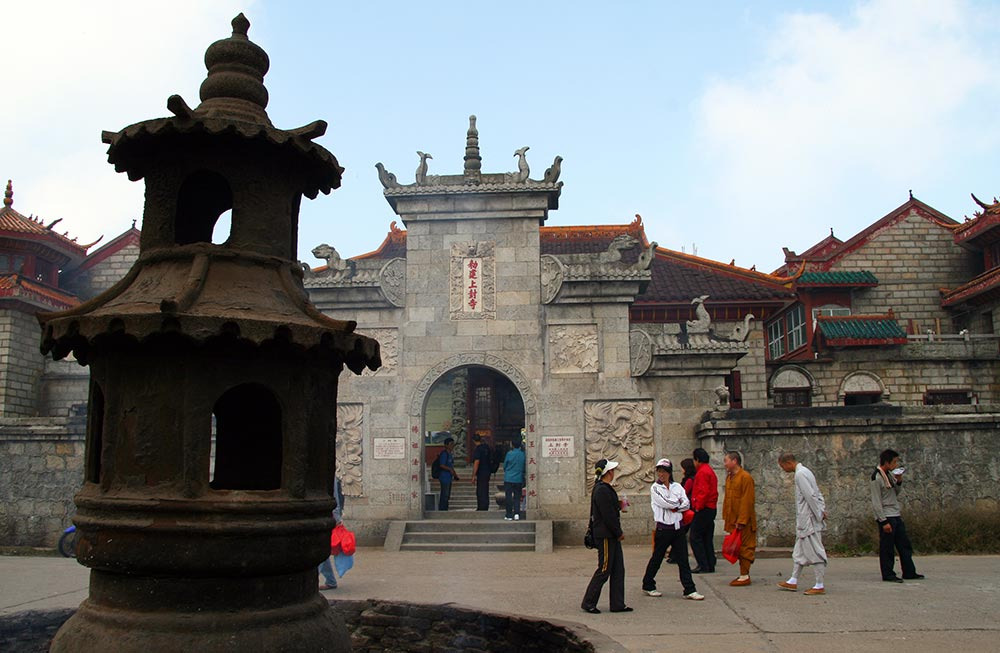
Shuanglin Si, the Temple of the Two Forests, stands a few kilometres southwest of Pingyao's old town. Founded over fifteen hundred years ago, it shelters one of Chine's finest collections of painted clay Buddhist statues: more than two thousand sculptures distributed across ten halls. Inscribed on UNESCO's World Heritage list alongside Pingyao as a whole, it draws fewer visitors than the historic centre, making it a rare quality experience.
Practical information at a glance
- Admission: Paid entrance (separate ticket from Pingyao old town)
- Recommended duration: 1 h 30 to 2 hours to tour the ten halls
- Access: About 6 km southwest of the old town; taxi, bicycle, or tourist shuttle from Pingyao
- Dress code: Modest attire recommended; shoulders and knees preferably covered
- Photography: Check restrictions hall by hall — some prohibit flash or photography entirely
What to see
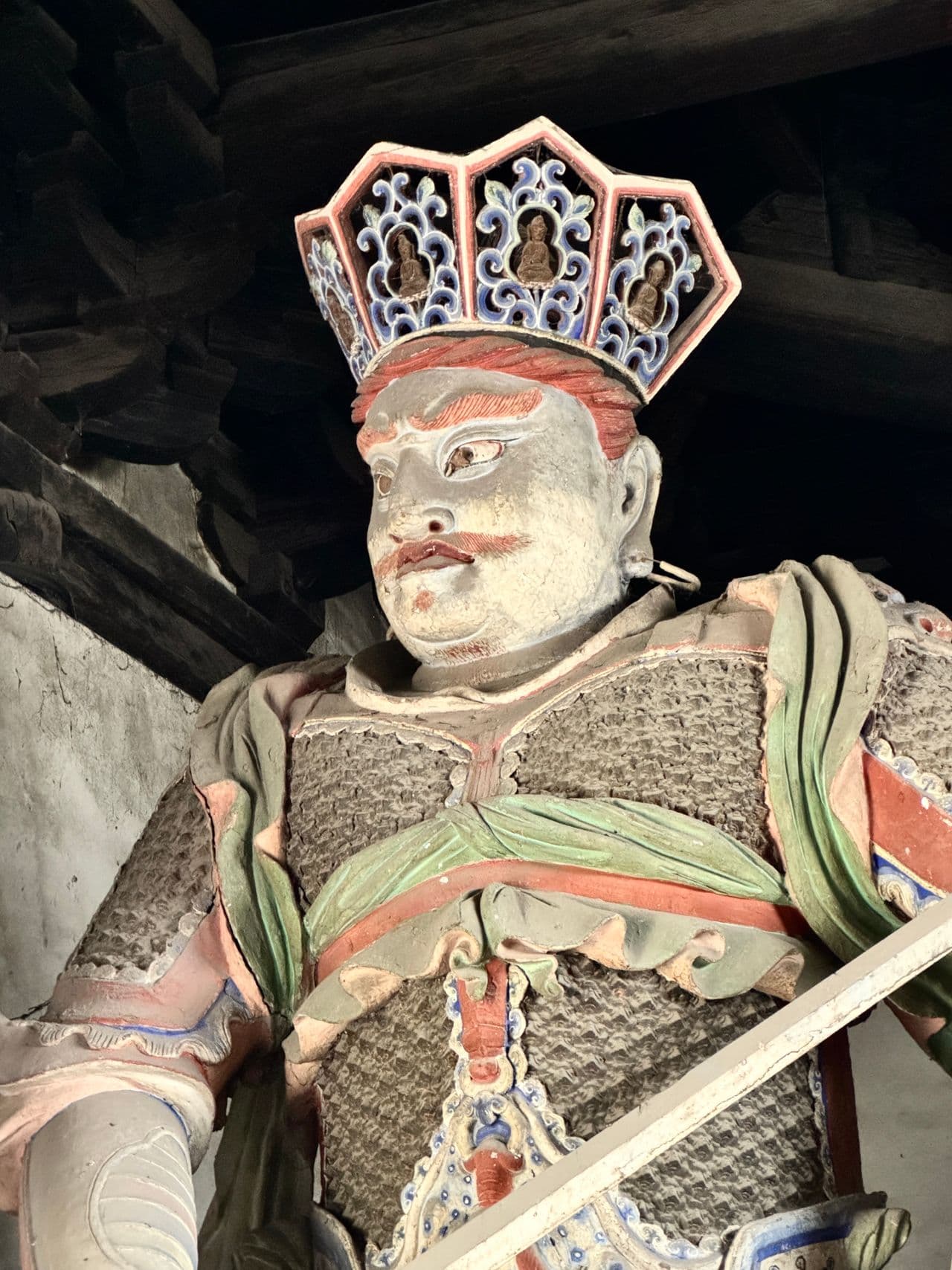
The temple is organized around three successive courtyards lined with halls dedicated to different buddhas and bodhisattvas. Each hall contains painted clay statues dating mainly from the Song, Yuan, Ming, and Qing dynasties. The expressions on the faces, the draping of robes, and anatomical details reach an exceptional level of refinement for works of this period.
The Hall of a Thousand Buddhas (Qianshen Dian) is the most spectacular: hundreds of small figures literally cover the walls from floor to ceiling, creating a striking visual effect. The Guanyin hall showcases multiple representations of the goddess of compassion in varied postures and sizes.
History and context
Shuanglin Si is said to have been founded during the Northern Qi dynasty (550-577), though the current buildings date mainly from the Ming and Qing dynasties. Its name, "Two Forests," refers to the two sal forests (sacred Buddhist trees) under which the historical Buddha was born and died. The site has survived the centuries without major destruction, explaining the remarkable state of preservation of its sculptures.
Its inscription on UNESCO's World Heritage list in 1997 consecrated its importance, alongside Pingyao's old town and the Temple of the Lord of Commanderies (Zhenguo Si).
Highlights of the visit
The Hall of a Thousand Buddhas
Hundreds of painted clay statuettes cover the walls in multiple rows. The overall effect is unique in Chine. Take time to approach and observe the subtle differences between each figure.
The statues of Guanyin
Several representations of Guanyin, the Buddhist goddess of compassion, illustrate stylistic evolution across centuries. Some reach several metres in height and retain their original pigments.
The door guardians (Weituo and Heng Ha Er Jiang)
At the entrance to several halls stand colossal guardian statues in armour displaying menacing expressions designed to ward off evil spirits. Their dynamism contrasts with the serenity of the buddhas within.
The courtyard architecture
The three nested courtyards, with their double-eaved roofs and glazed tiles, provide a cohesive architectural setting. The inner courtyards are peaceful, often uncrowded on weekdays.
Etiquette and visiting rules
- Speak softly in active worship halls.
- Do not touch the statues.
- Check photo prohibition signs before taking out your camera.
- Avoid pointing your feet toward altars or statues.
- Modest dress covering shoulders and knees is recommended out of respect.
Photography tips
Natural light enters through the hall doorways: arrive in the morning to benefit from raking light on the sculptures. A fast lens (wide aperture) is useful in dim halls. Flash is often prohibited — check the signs. The central courtyard, with its layered roofs, photographs well in late afternoon.
Location and access
Shuanglin Si is located about 6 km southwest of Pingyao's old town. Access is by taxi from the station or old town, bicycle (rental available in the old town), or tourist shuttles serving the region's UNESCO sites. The site is distinct from the historic centre of Pingyao and the Zhenguo Si Temple, another UNESCO site to the city's east.
In the vicinity
- Pingyao Old Town — Ming-era historic centre surrounded by ramparts, featuring alleyways, merchant houses, and ancestral banks.
- Zhenguo Si Temple — Buddhist temple north of Pingyao, housing clay statues from the Five Dynasties period, also UNESCO-listed.
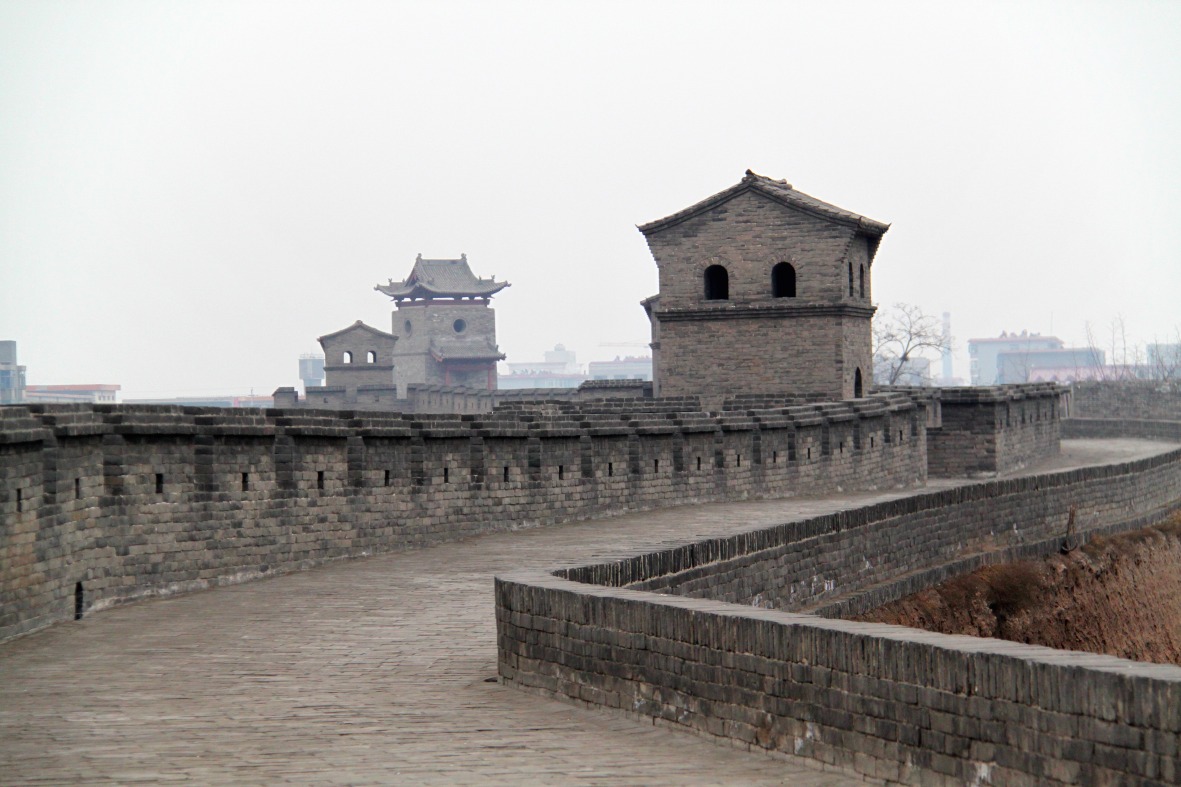
- Pingyao Ramparts — Ming-era walls with a 6 km perimeter, among Chine's best-preserved, accessible on foot.
Frequently asked questions
The temple has a separate entrance ticket. Check with your travel provider or at the site's entrance whether a combined pass with other Pingyao attractions is available at the time of your visit.
Policy varies by hall. Some permit photography without flash, others prohibit it entirely. Read the signs at each hall's entrance and put your camera away if signage indicates so.
Spring (April-May) and autumn (September-October) offer pleasant temperatures. Weekdays see significantly fewer crowds than weekends or Chinese public holidays.
Spend the morning at Shuanglin Si, then head to the old town by taxi for the afternoon. Both sites can be comfortably visited in a single day from Pingyao.
Courtyards are level, but some traditional doorway thresholds (rising several tens of centimetres) may complicate wheelchair access. Enquire on site.
Budget between 1 h 30 and 2 hours to tour the ten halls at a leisurely pace. Enthusiasts of Buddhist art or sculpture can easily spend 2 h 30.
Interested in this visit?
We can include it in your personalised itinerary.