The 3 Best Places to See Giant Pandas in China
The 3 Best Places to See Giant Pandas in China
Three sites allow you to observe giant pandas in China: the Chengdu Research Base, Bifengxia Base in Sichuan and Beijing Zoo. Practical guide.
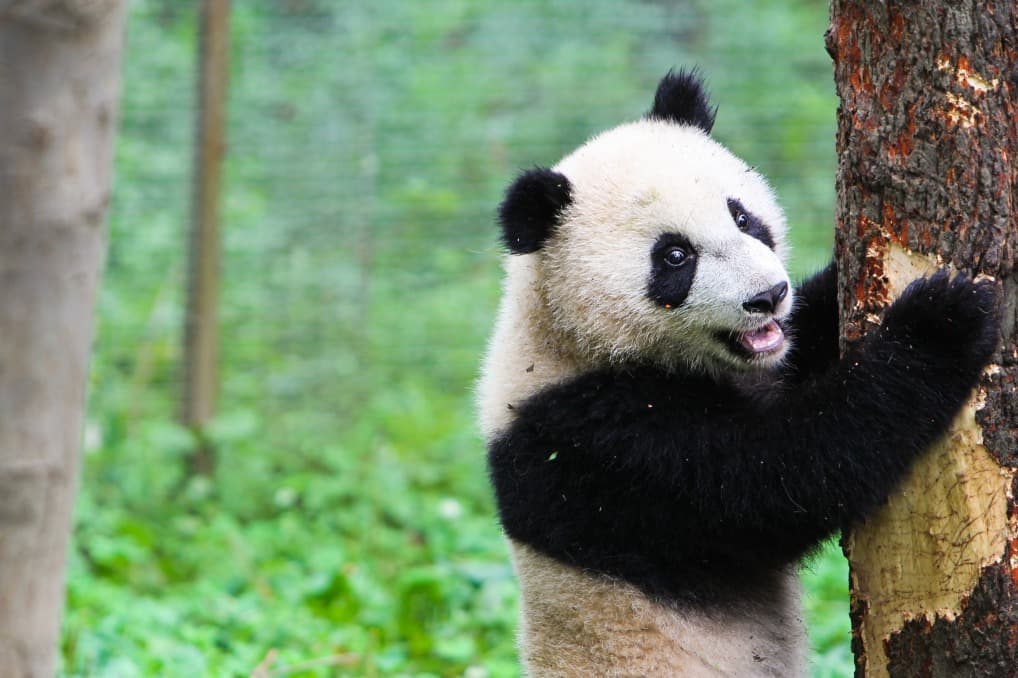
Symbol of wildlife conservation in Chine, the giant panda lives in the wild only in three provinces in the country's center: Sichuan, Gansu and Shaanxi. Reclassified as "vulnerable" by the IUCN in 2016 after decades of protection programs, the species remains rare and difficult to observe outside dedicated centers. This guide presents three sites accessible to travelers to see pandas in Chine, with their specificities, location and practical tips for organizing your visit.
Why visit a panda center in Chine
Chine concentrates most of the research and breeding facilities for giant pandas. Visiting one of these centers allows you to observe animals in semi-natural spaces recreating their bamboo forest habitat, and to understand the work done on reproduction and reintroduction. Tourism revenue contributes to funding conservation programs. Depending on your itinerary, you can combine a stop near Chengdu, capital of Sichuan and gateway to the panda region, with other cultural or natural visits in the country.
History and conservation of the giant panda
Institutional protection of the giant panda in Chine begins in the 1960s with the creation of the first reserves in Sichuan. The Wolong Reserve, founded in 1963, quickly becomes the nerve center of research. The 2008 Sichuan earthquake severely damages Wolong's facilities and accelerates the development of complementary sites such as Bifengxia, opened in 2003 to support captive breeding.
The work carried out since has made it possible to stabilize wild populations, currently estimated at around 1,800 individuals, to which are added several hundred pandas in captivity. In 2016, the International Union for Conservation of Nature (IUCN) reclassified the species from "endangered" to "vulnerable", a positive signal without removing the threats linked to the fragmentation of bamboo forests.
Three sites to observe giant pandas
Bifengxia Base
Opened in 2003, 8 km from the city of Ya'an and approximately 150 km from Chengdu, Bifengxia Base is home to just over 80 pandas. The site extends through a mountainous park composed of bamboo forests, streams and waterfalls, offering living conditions close to the species' natural habitat.
Bifengxia also stands out for a volunteer program open to visitors: for a fee and with prior booking, it is possible to spend a day preparing panda food and participating in enclosure maintenance. It is one of the rare sites in Chine to offer this format to foreigners.
Chengdu Research Base for Giant Panda Breeding
Located about ten kilometers north of Chengdu, this base is the most accessible of the three sites for travelers in transit in the province. It is home to over one hundred pandas spread across more than 100 hectares of managed bamboo forests.
The base has a museum dedicated to panda biology and conservation programs, as well as a reintroduction zone preparing certain individuals to return to the wild. The nursery allows, depending on the season, to catch a glimpse of baby pandas. Its proximity to Chengdu makes it the simplest option for a half-day visit.
Beijing Zoo
Beijing Zoo dedicates an area of approximately 10,000 m² to giant pandas, with an indoor pavilion and outdoor enclosures. A small breeding center is associated with it and houses a nursery where you can see baby pandas. It is a relevant alternative if your itinerary does not pass through Sichuan, provided you accept often high crowds and a more urban setting than the Sichuan bases.
When to go
Pandas are visible year-round, but their activity varies with temperature. They are more active in cool weather, in the morning and late afternoon. Spring (March-May) and autumn (September-November) offer pleasant conditions for visiting. Summer, particularly hot and humid in Sichuan, sees pandas retreat to shaded areas or air-conditioned zones, which reduces observation opportunities. The breeding season, in summer, allows on the other hand to see infants in the nursery from autumn onwards.
How to get there
Chengdu is the natural hub for visiting Sichuan centers. The city is served by an international airport with direct flights from Europe and throughout Asia, as well as by Chine's high-speed rail network.
- Chengdu Base: accessible by taxi, ride-hailing or bus from the city center in 30 to 45 minutes depending on traffic.
- Bifengxia: allow approximately 2.5 hours by road from Chengdu, or a high-speed train to Ya'an then a taxi to the base.
- Beijing Zoo: located right in the heart of the capital, accessible by metro (Line 4, Beijing Zoo station).
Practical information
- Duration of visit: allow 2 to 4 hours for Chengdu Base or Bifengxia, 1 to 2 hours for Beijing Zoo.
- Admission fees: moderate entry for panda centers, additional fee for volunteer programs at Bifengxia.
- Hours: sites generally open in the morning; arriving early allows you to see pandas during mealtime, the period when they are most active.
- To avoid: camera flash, noise and any attempt to approach animals.
What to combine in the region
A visit to Chengdu's panda center is easily extended by other cultural and natural stops. An hour from the city, the Giant Wild Goose Pagoda testifies to ancient Chine Buddhism. For landscape and heritage enthusiasts, the Great Wall at Juyongguan near Beijing and the Hexigten Geopark in Inner Mongolia complement a varied Chine itinerary.
Frequently asked questions
Frequently asked questions
Preparing your trip to Chine
Including a "panda" stop in a Chine itinerary is easily organized around Chengdu, a major gastronomic and cultural destination in Sichuan. To build a bespoke trip combining nature, heritage and wildlife, consult our suggestions for trips in Chine.

Interested in this visit?
We can include it in your personalised itinerary.