Zhengding Village
Zhengding Village
An ancient Buddhist city north of Shijiazhuang, Zhengding is home to the Longxing monastery, the Hua pagoda and several pagodas inherited from the Tang to Qing dynasties.
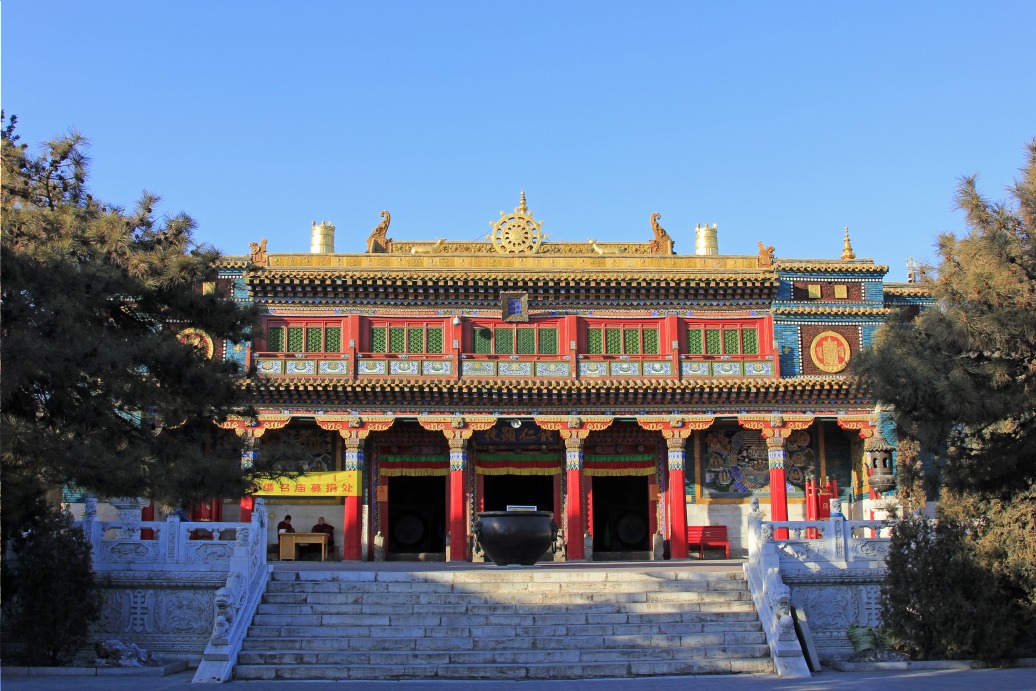
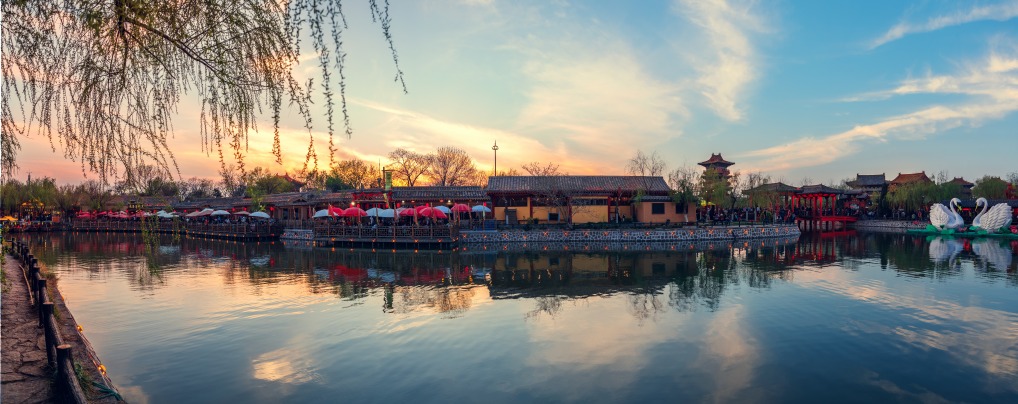
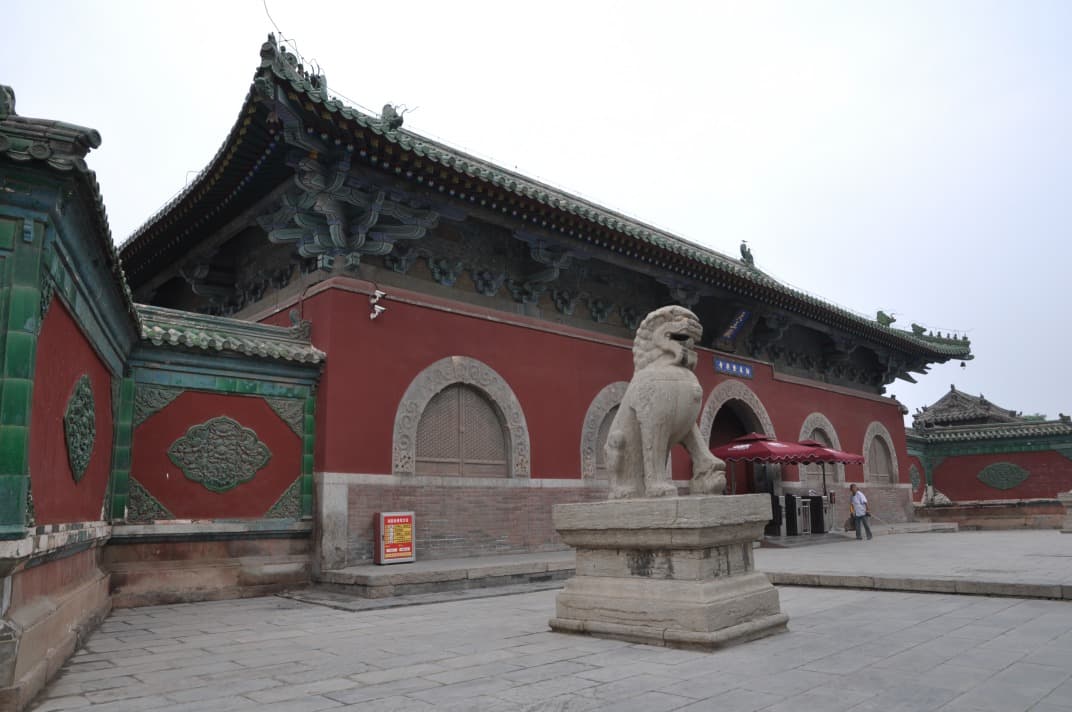
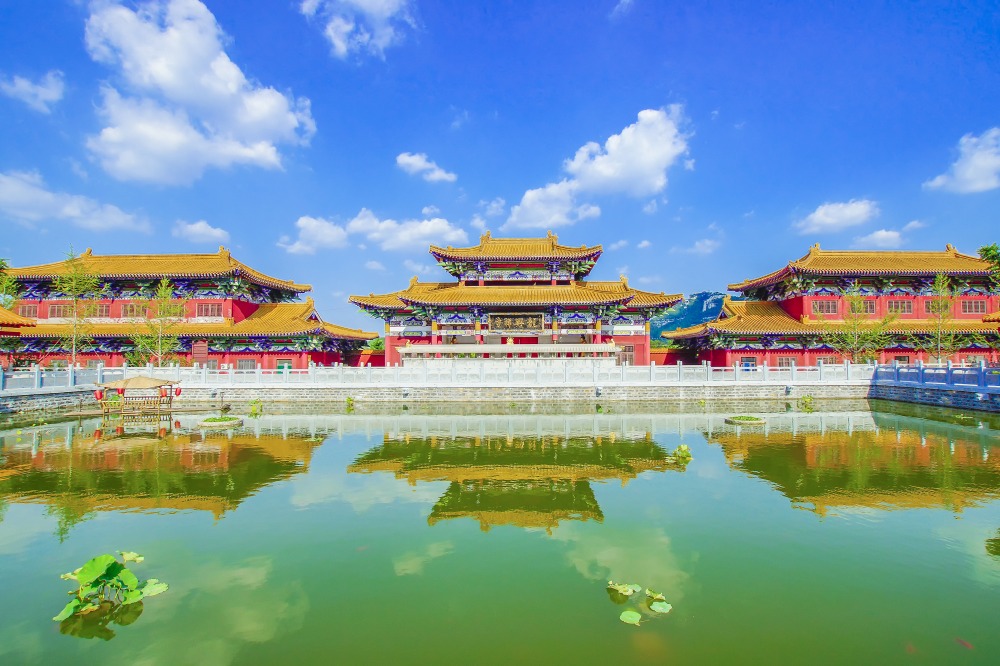
North of Shijiazhuang, in Hebei province, Zhengding is an ancient city that once served as the seat of the county of the same name. Nicknamed the "city of nine towers, four pagodas, eight great temples and twenty-four golden arches," it concentrates within a few square kilometers an exceptional collection of monasteries, pagodas and ramparts inherited from the Sui, Tang, Song, Ming and Qing dynasties.
Why visit Zhengding
Zhengding is one of the rare ancient cities in northern Chine to have preserved such dense Buddhist heritage. The site offers several points of interest:
- A historic center of Chinese Buddhism, seat of a major religious school from the Sui dynasty to the Qing dynasty.
- Temples among the best-preserved in the country, including the Longxing monastery, often cited just after the Longcang temple for the quality of its preservation.
- A rare architectural concentration: pagodas, stupas, Ming ramparts and monumental statues can be visited on foot within a single day.
- A less-frequented stop than the major sites in the north, easily accessible from Shijiazhuang.
An imperial and Buddhist history
Zhengding was long a major religious center. From the 6th century until the end of the empire, the city was home to a major Buddhist school that radiated throughout northern Chine. Under the Qing dynasty, its reputation grew: emperors would stop here during their pilgrimages to the Wutai mountains, one of the four sacred sites of Chinese Buddhism.
This tradition of imperial pilgrimage explains the architectural richness of the site. The ramparts dating from the Ming dynasty, which survived the Sino-Japanese War, still testify to the strategic and religious importance of the city.
What to see in Zhengding
The Longxing Monastery
This is the centerpiece of the site. The monastery houses a monumental bronze statue of approximately 21 meters depicting the bodhisattva Guanyin, the goddess of mercy, adorned with multiple arms. The original arms, broken around 1780, were gradually restored by villagers. The statue dates essentially to the Song dynasty and remains one of the largest Buddhist bronze sculptures preserved in Chine.
The monastery served as an imperial waystation during pilgrimages to Wutai. Beyond the Grand Buddha, you can see several ancient halls, engraved stelae and other first-rate Buddhist relics.
The Hua Pagoda and Guanghui Temple
Located within the former Guanghui temple, the Hua Pagoda stands out for its octagonal architecture set upon a circular base. Its upper section is adorned with relief figurines: elephants, buddhas and symbolic creatures intertwine on the stone. It is one of the rare surviving examples of this type of structure in Chine.
The four pagodas and stupas
Zhengding is famous for its four pagodas, sometimes associated in local tradition with the "four beauties" of the Tang era. Each represents a different architectural style and illustrates the evolution of Buddhist art over several centuries. The Ming walls, still visible in sections, complete this journey.
Practical information
- Duration of visit: plan for a half-day to a full day depending on how many temples you visit.
- Tickets: each temple has its own ticket booth, at a moderate cost. A combined ticket is sometimes available on-site.
- On-site: visits are on foot; the main monuments are concentrated in the historic center.
- Dress code: wear respectful attire to enter temples still in use.
How to get to Zhengding
Zhengding is located about fifteen kilometers north of Shijiazhuang, the capital of Hebei.
- From Shijiazhuang: regular urban buses and taxis connect downtown to Zhengding in 30 to 45 minutes.
- From Beijing: high-speed train to Shijiazhuang (approximately 1 hour 15 minutes), then local bus or taxi.
- Airport: Shijiazhuang Zhengding International Airport is located in immediate proximity to the old city.
Nearby
- Shijiazhuang, the provincial capital, to extend your stay with its museums and modern center.
- The Wutai mountains, former stops on imperial pilgrimages, in neighboring Shanxi.
- The Great Wall at Juyongguan, accessible when detouring through the Beijing region.
Frequently asked questions
Frequently asked questions
A full day allows you to see the Longxing monastery, the Hua Pagoda and the main pagodas. A half-day is enough for visitors who focus on Longxing.
Regular urban buses connect Shijiazhuang to Zhengding in 30 to 45 minutes. Taxi is a comfortable alternative for a more direct route.
It houses a monumental bronze statue of approximately 21 meters depicting Guanyin, dating essentially from the Song dynasty. It is one of the best-preserved temples in Chine.
The full nickname evokes nine towers, four pagodas, eight great temples and twenty-four golden arches. It reflects the exceptional density of the city's religious and architectural heritage.
Plan your trip
Zhengding easily fits into an itinerary combining Hebei, Beijing and Shanxi. To build a customized circuit including this site, consult our Chine travel suggestions.
Interested in this visit?
We can include it in your personalised itinerary.