Yushu
Yushu
At 3,700 meters altitude on the Qinghai Tibetan plateau, Yushu offers monasteries, an equestrian festival, and vast open spaces—without requiring a Tibet permit.
Name: Yushu Tibetan Autonomous Prefecture
Chinese Name: 玉树藏族自治州
Province: Qinghai
Status: Autonomous Prefecture
Population: 260,000 inhabitants
Area: 267,000 km²
Yushu Tibetan Autonomous Prefecture is an administrative subdivision located in the southwest of the Qinghai region.
Yushu ranks among China's most remote locations. The prefecture is 97% Tibetan, with Tibetan monasteries dotting the landscape throughout the region. Though relatively quiet most of the year, it draws crowds during its famous Horse Festival.
History
Yushu was first inhabited by the Qiang, an ancient tribe from northwestern China. The prefecture was governed successively by different Tibetan regimes. Yushu District was established in 1949 and was renamed the Yushu Tibetan Autonomous Region two years later. It wasn't until 1955 that it became the Yushu Tibetan Autonomous Prefecture.
In 2010, the Yushu Prefecture was struck by an earthquake with a magnitude of 6.9 on the Richter scale. Over 2,000 people were killed in this disaster, 12,315 were injured, and most villages were destroyed.
Today
This region remains relatively underdeveloped economically. An airport was therefore constructed in 2009 to encourage tourism and boost the local economy.
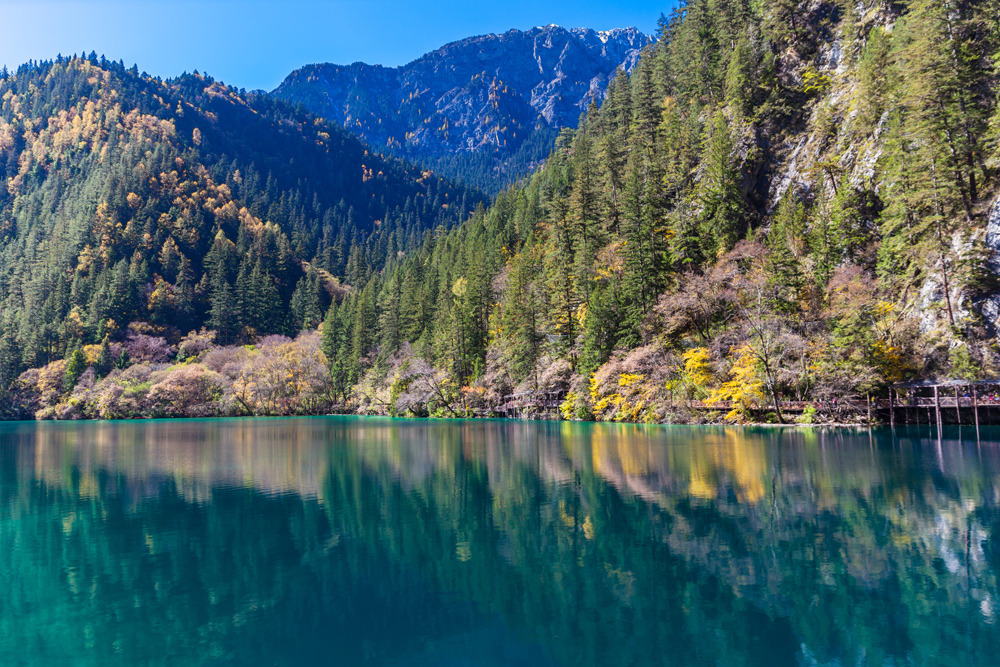
Yushu is home to several picturesque sites including the Three Rivers Source Nature Reserve, the Kekexili (Hoh Xil) National Nature Reserve, and Princess Wencheng Temple.
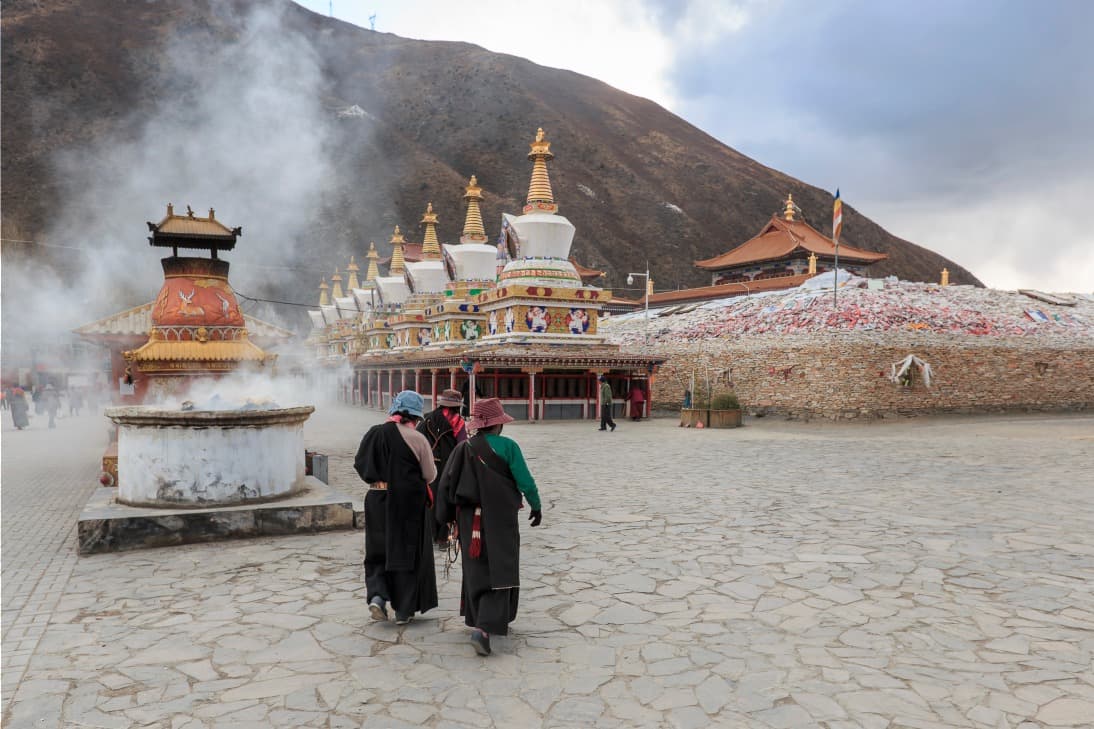
Tibetans form the overwhelming majority of this Qinghai region's population. The entire community has been shaped by Tibetan religions, and all practice Tibetan Buddhism. Numerous temples and monasteries are scattered throughout the region.
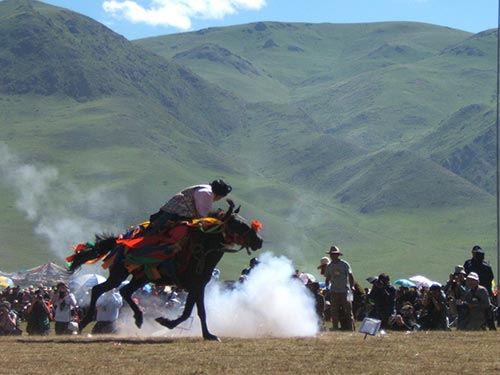
The prefecture was once a crucial stopping point for merchant caravans heading toward Tibet. Though largely deserted today, it attracts tens of thousands of Tibetans during its Horse Festival. This traditional celebration spans three days beginning July 25th. Tibetans gather to enjoy the festivities and parade through town dressed in their finest traditional costumes.
Those venturing to Yushu will discover a local way of life that remains remarkably untouched by globalization. On the central plaza, some Tibetans sit on their heels, attempting to sell the rarest and most unexpected local products.
Climate
The weather is quite harsh with a mountain climate. Average winter temperatures hover around −6°C in the coldest month. In summer, the average is only 14°C during the coldest month.
Rain is extremely rare in this region, though snow is very present during winter.
Air
The recently built airport, located 25 km south of Yushu city, operates flights to and from Xining.
Long-Distance Bus
A transportation network has been established within Yushu Prefecture with national highways supported by road renovation and development projects in rural areas.
From these roads, it's possible to access cities like Xining, Lanzhou, or other towns in Sichuan.
The bus station located in Yushu (the city) offers regular service to and from Xining.
Given Yushu Prefecture's vast expanse, it's worthwhile to rent a vehicle (Jeep or minivan) to visit the parks and stop at the various temples dotting the roads.
What to Do in Yushu?
- Visit the magnificent Jyekundo Dondrubling Monastery located in the city of Gyegu, the prefecture's administrative center.
- Explore the Three Rivers Source Nature Reserve.
- Attend the Horse Festival beginning July 25th.
- Visit the Kekexili (Hoh Xil) National Nature Reserve.
- Follow in the footsteps of Princess Wencheng and circumambulate the Princess Wencheng Temple.
Districts of Yushu Tibetan Autonomous Prefecture
Photos
Want to discover this destination?
Our local advisors design your tailor-made trip.