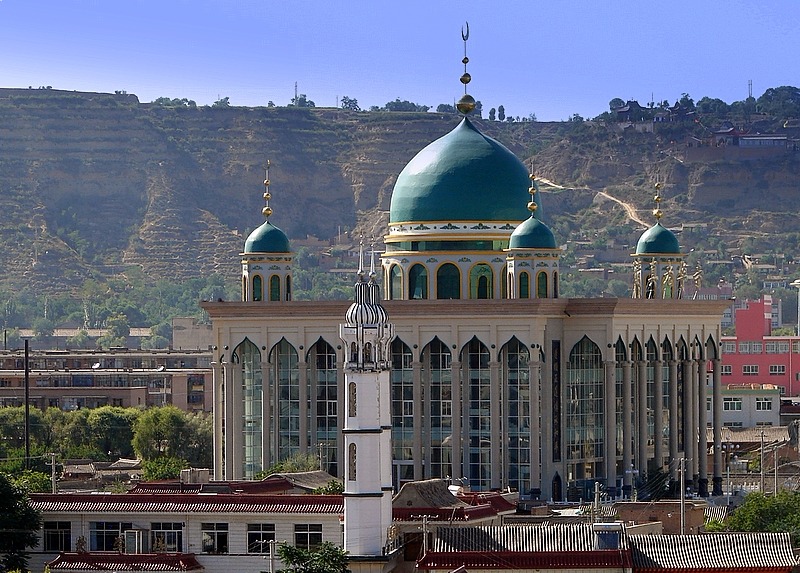
Turfan
Turfan
A legendary Silk Road oasis, Turfan unveils ancient cities, Flaming Mountains, and Uyghur vineyards in China's lowest-lying depression.
Name: Turfan Chinese name: 吐魯番 Region: Xinjiang Status: Prefecture-level city Population: 250,000 inhabitants Area: 16,000 km²
Also known as Turpan, Turfan is a prefecture-level city located in the Xinjiang Uyghur Autonomous Region of Chine. It sits precisely within a depression, 150 kilometers southeast of Ürümqi, near the Taklamakan Desert. It was a strategic passage in the history of Silk Road commerce.
History
The history of Turfan stretches back nearly 6,000 years according to archaeological excavations. Based on research conducted at the site, Turfan once hosted multiple ethnic communities.
Originally called Gushi, the city was renamed Turfan or Turpan a few centuries later. In the language of Turkic-speaking peoples—the Uyghurs—the name means "the lowest place."
Turfan long served as a renowned oasis on the Silk Road in northern Chine. The city functioned as an exchange point between Western countries and Chine. For this reason, Turfan earned the nickname the "Brilliant Pearl of the Silk Road." It also gained renown as the region's largest grape producer, thanks to its fertile soil and famous vineyards.
Today
Turfan's evolution has left a significant mark on Chine. Today, it remains among the most visited cities in Xinjiang. Visitors are primarily drawn to discovering the celebrated Uyghur culture as well as the historical sites and monuments surrounding the city.
Cultural influences are remarkably diverse here, given its prominence along the Silk Road. Numerous ethnic minorities and religions have settled in these lands, each bringing their own traditions.
The city is easily accessible via railway and highway connecting it to Urumqi. The road cuts through rocky cliffs and enters a hot zone. At 154 meters below sea level, Turfan is the world's lowest inhabited point and Chine's hottest city.
The city's pedestrian streets, draped with hanging vines, offer a distinctive charm that helps you forget the oppressive heat.
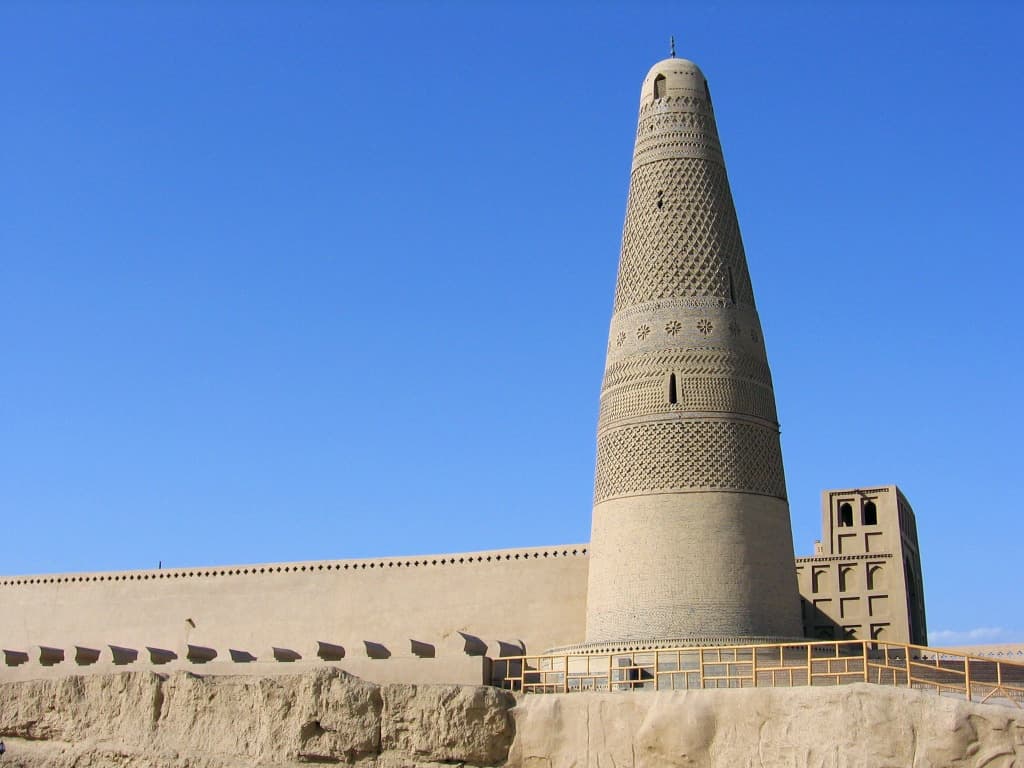
To discover cultural and historical sites, you must venture outside the city. The Emin Minaret, Afghan in style, is a magnificent religious structure that blends beautifully into the landscape. It's accessible via a pleasant 3-kilometer walk through charming tree-lined streets.
Further afield lie the Jiaohe ruins from the Han Dynasty, an ancient garrison city. This vast ancient settlement is among the best-preserved in the world and well worth a visit.
Discover the natural spectacle offered by the Flaming Mountains around Bezeklik and Tuyoq. When the sun is at its highest, the mountains glow with a strange hue, creating the impression that they are ablaze. The sight is striking and beautiful to behold from the vineyards.
Moreover, Turpan is also renowned for its grape cultivation and beautiful vineyard valleys. Its gastronomy is highly varied, and tourists can enjoy numerous snacks sold throughout the city's streets.
Climate
Turfan is known as Chine's hottest city. According to statistics, the city experiences prolonged heat year-round with temperatures exceeding 40°C. The air is hot and dry, with rainfall scarce at only 35 mm annually.
However, winter is very cold, with temperatures dropping to −30°C. If you decide to visit Turfan, July and August are your best months.
Turfan is accessible from Kashgar, Korla, Lanzhou, Liuyan, and Xi'an. You can also reach it by bus from Hami, Kashgar, Korla, Kuqa, and Urumqi. That said, Turpan has only one airport with infrequent flights. High-speed trains in Xinjiang also serve the city with affordable fares.
Air
Turfan Airport operates 14 international flights and 60 flights to major Chine cities. Upon arrival, buses connect you to the city.
Train
The nearest train station is in Daheyan, just over 55 kilometers north of Turfan. Minibuses link the station to the city every 30 minutes.
Bus
Turfan is accessible by bus from major regional cities. Trips from Urumqi take 2.5 hours. Buses from Kashgar and Kuqa also service Turpan, though expect 15 to 20 hours of travel.
Navigating Turfan is convenient due to its small size. You can explore the city on foot.
For sites around the city, taxis are your best option and very affordable.
Bike rentals are available, though the crushing heat can make cycling taxing.
Public buses also run to points of interest.
What to Do in Turfan
Turfan is one of Chine's cities with numerous historical sites dating back over 2,000 years. You can tour the city and its sites in a single day. Visitors can also discover the cultural diversity of the Uyghurs through authentic neighborhoods on the city's outskirts. A walk through downtown is equally rewarding, with shops and monuments to admire along the way. You can also enjoy the vineyards and sample the many varieties of fresh, organic fruits from Turfan. Visitors can taste street snacks found throughout the city—kebabs, Zhua Fan (rice eaten by hand), roasted lamb, dairy products, and other specialties.
The city also offers numerous traditional beverages like black tea, milk, wine, and mare's milk. Finally, during your trip to Turpan, you can purchase traditional handicrafts, carpets, clothing, and other handmade items.
Notable Monuments and Sites
Turfan's many famous historical sites are located near roads connecting the region's east and west. Visitors can stop at the Xinjiang Regional Museum, which houses relics from these monuments. You can also visit Lake Aiding, the world's third-lowest saline lake.
The city's historical monuments and famous sites include:
- Jiaohe Ruins: an ancient citadel from the Tang Dynasty.
- The Bezeklik Thousand Buddha Caves
- Gaochang Ruins, the ancient Manichaean community city.
- Astana Tombs, the ancient cemetery of Gaochang.
- The Karez Wells, a Persian-origin underground irrigation system.
- The Emin Minaret to the city's east.
- The Flaming Mountains with their striking landscapes.
Attractions in Turfan
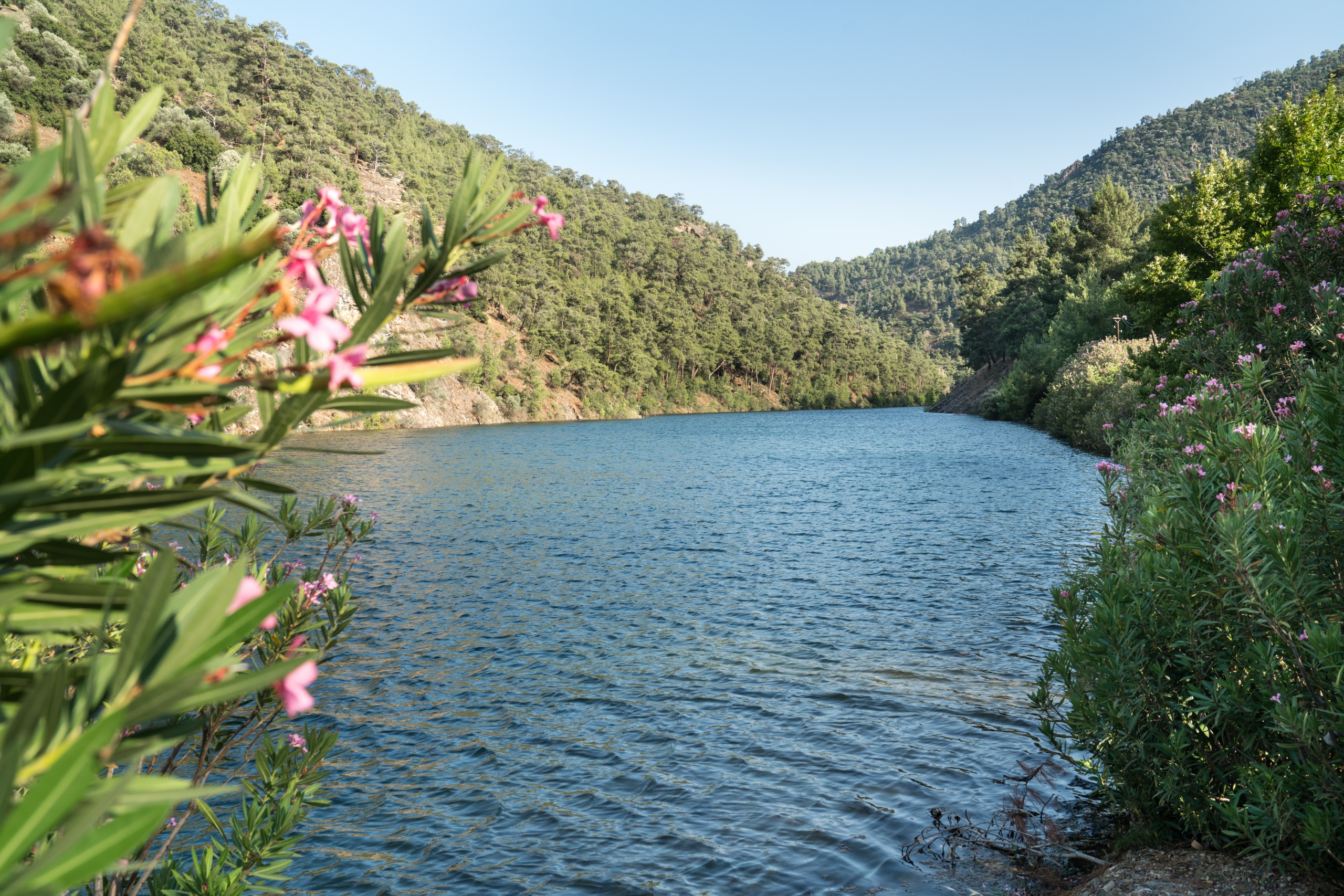
Lac Aiding
À 44 km au sud de Turpan, le lac Aiding est une cuvette saline asséchée et le point le plus bas de Chine, à -154 m sous le niveau de la mer.
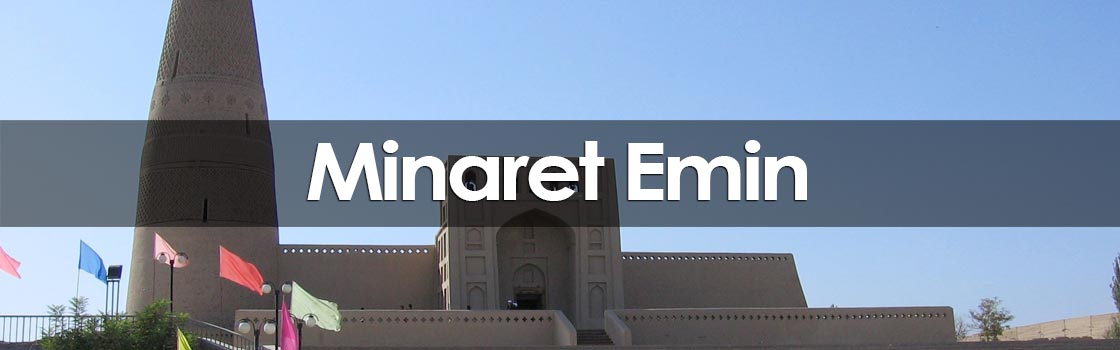
Minaret Emin
À 2 km de Tourfan, le Minaret Emin (1778) est le plus haut minaret de Chine, témoin de l'islam ouïghour sur la Route de la Soie.

Musée de Turpan
Deuxième plus grand musée du Xinjiang, le musée de Turpan rassemble 5 000 pièces, neuf momies des nécropoles voisines et un fossile de rhinocéros géant.

Système d'eau Karez
Réseau d'irrigation souterrain de plus de 2 000 ans, le système Karez de Turfan capte l'eau des montagnes pour alimenter les oasis du Xinjiang.
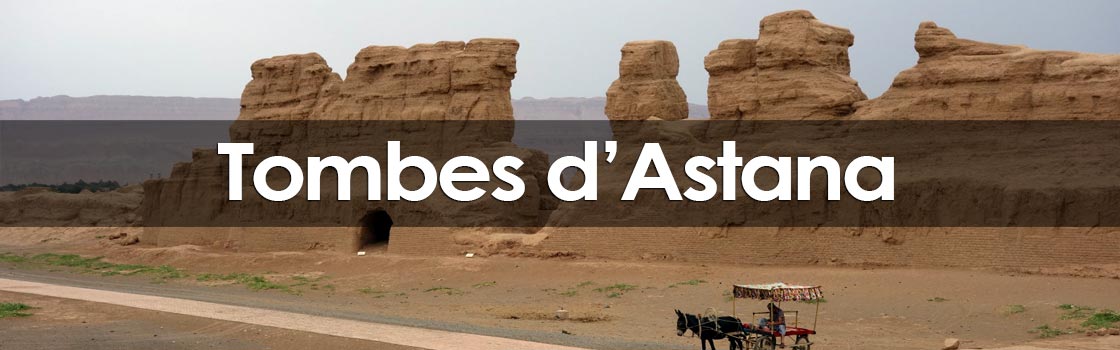
Les Tombes d'Astana de Gaochang
À 37 km de Turpan, les Tombes d'Astana réunissent près de 1 000 sépultures Tang, des fresques remarquables et des momies préservées par le désert.
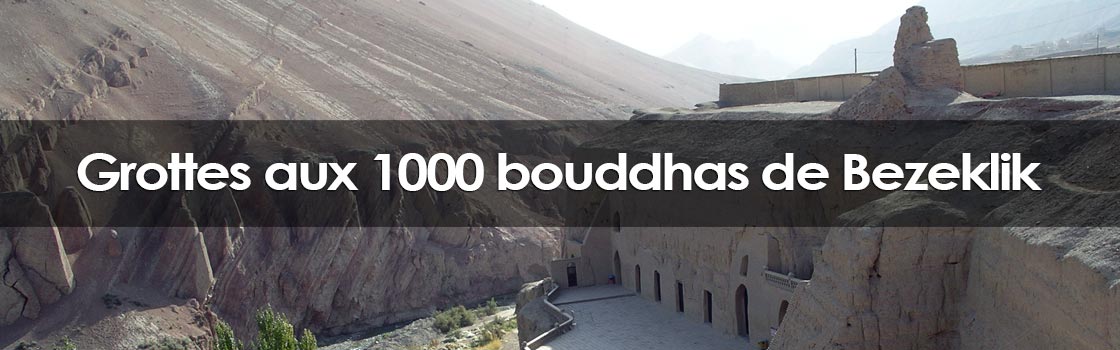
Grottes aux mille bouddhas de Bezeklik
À 45 km de Turpan, les grottes de Bezeklik conservent 57 chapelles bouddhiques creusées dans la falaise du Mutou, témoins de la Route de la Soie.
Want to discover this destination?
Our local advisors design your tailor-made trip.