Chiu Monastery (Chiu Gompa)
Perched on a rocky spur at 4,590 m, Chiu Monastery dominates Lake Manasarovar and offers direct views of Mount Kailash. An essential stop on the Tibetan pilgrimage route.
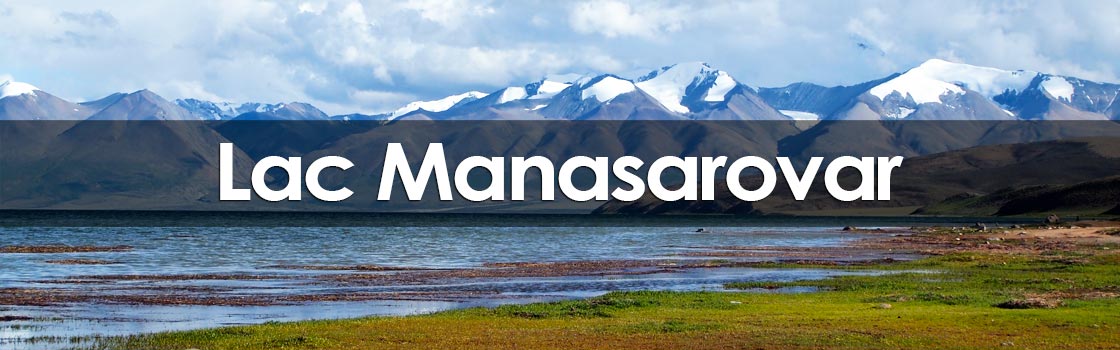
Perched on a rocky outcrop overlooking Lake Manasarovar, Chiu Monastery (Chiu Gompa) dominates one of the most sacred bodies of water in Tibetan Buddhism and Hinduism. Just kilometres from Mount Kailash, this small Bon and Buddhist monastery often marks the beginning or end of the pilgrimage circuit around Kailash. Its ochre-coloured rock, prayer flags, and views of the lake make it a stop charged with spiritual significance.
Practical essentials at a glance
- Access: rough track from Darchen or from the Saga–Ali road (National Highway 219); 4×4 vehicle essential in this region.
- Dress code: modest clothing recommended for entering chapels; shoulders and knees should be covered.
- Recommended duration: 1 to 2 hours for the monastery visit and descent to the lake shore.
- Altitude: approximately 4,590 m — prior acclimatisation essential.
- Permits: Tibet Travel Permit and Alien's Travel Permit mandatory for all foreign visitors in this zone.
What you'll see
The monastery is built across several levels carved into the rock. The chapels house statues of Buddha, Guru Rinpoché, and ancient thangkas. From the summit of the rock, views encompass Lake Manasarovar in its entirety, with Kailash in the background on clear days. Monks reside here permanently.
History and context
Tradition associates this site with Guru Rinpoché (Padmasambhava), who is said to have meditated in a cave within the rock in the 8th century. The current monastery, of the Kagyu school, was partially destroyed during the Cultural Revolution and then reconstructed from the 1980s onwards. It remains an active pilgrimage site, frequented by Tibetans, Indians, and Nepalis.
Highlights of your visit
Guru Rinpoché's meditation cave
Nestled within the rock, this cavity is considered the spiritual heart of the site. Pilgrims leave offerings and walk around it clockwise (kora).
The panorama over Lake Manasarovar
From the summit of the rock, the lake appears a deep blue, ringed by arid plains. On clear days, Kailash rises to the north. This is one of the most breathtaking vistas across the entire Tibetan plateau.
Ritual bathing at the lake shore
Below the monastery, Hindu and Buddhist pilgrims bathe in the purifying waters of Manasarovar. Witnessing this ritual at dawn is a profoundly moving experience.
Etiquette and visiting rules
- Walk around the monastery and its stupas in a clockwise direction.
- Ask permission before photographing monks or the interior of chapels.
- Remove your shoes before entering chapels.
- Avoid loud or disrespectful gestures in prayer spaces.
- Do not touch statues or ritual objects.
Photography tips
Early morning light is ideal: the rising sun illuminates the ochre rock and reflects off the lake. In late afternoon, low-angle light emphasises the monastery's textures. Avoid flash inside chapels. The vista from the rock's summit is the most sought-after composition.
Location and access
Chiu Gompa sits on the north-west shore of Lake Manasarovar, a short distance from Darchen, the usual starting point for the pilgrimage around Kailash. The route is an earth track passable only by 4×4. No public transport serves the area. All foreign travellers must be accompanied by an authorised Tibetan guide and possess the required permits.
In the surrounding area
- Mount Kailash — sacred mountain for four religions, with a 52 km pilgrimage circuit (kora) completed in three days.
- Lake Manasarovar — one of Asia's most sacred high-altitude lakes, ideal for ritual circumambulation.
- Darchen — the main staging point for pilgrims and trekkers preparing for the Kailash kora.
- Gossul Monastery — another monastery on the Manasarovar shores, less frequented.
Frequently asked questions
The most favourable window runs from May to October, before the first snows. July and August are the warmest months but also the busiest with Indian pilgrims. Avoid winter: roads are often impassable and temperatures are extreme.
Foreign travellers must obtain the Tibet Travel Permit (TTP), Alien's Travel Permit (ATP), and Military Area Permit for the Ngari Prefecture. These documents are obtained through an authorised agency; it is impossible to obtain them independently on arrival.
Yes, and this is the most common arrangement. Chiu Gompa fits naturally before or after the Kailash kora, with a stop at Darchen. Plan for at least a week for the entire Kailash–Manasarovar circuit.
The site sits at approximately 4,590 m. Mountain sickness is a real risk. Spend at least two days in Lhassa (3,650 m) before heading to the region, stay well hydrated, and ascend gradually.
Photography is generally permitted in outdoor areas. Inside chapels, always ask the resident monks for permission. Flash photography should be avoided to preserve thangkas and murals.
Very basic guesthouses exist in Chiu village, at the foot of the monastery. Options remain limited (dormitories, cold water). Darchen, a few kilometres away, offers a slightly wider choice for pilgrims and trekkers.
Interested in this visit?
We can include it in your personalised itinerary.