Tianjin Theatre Museum
Tianjin Theatre Museum
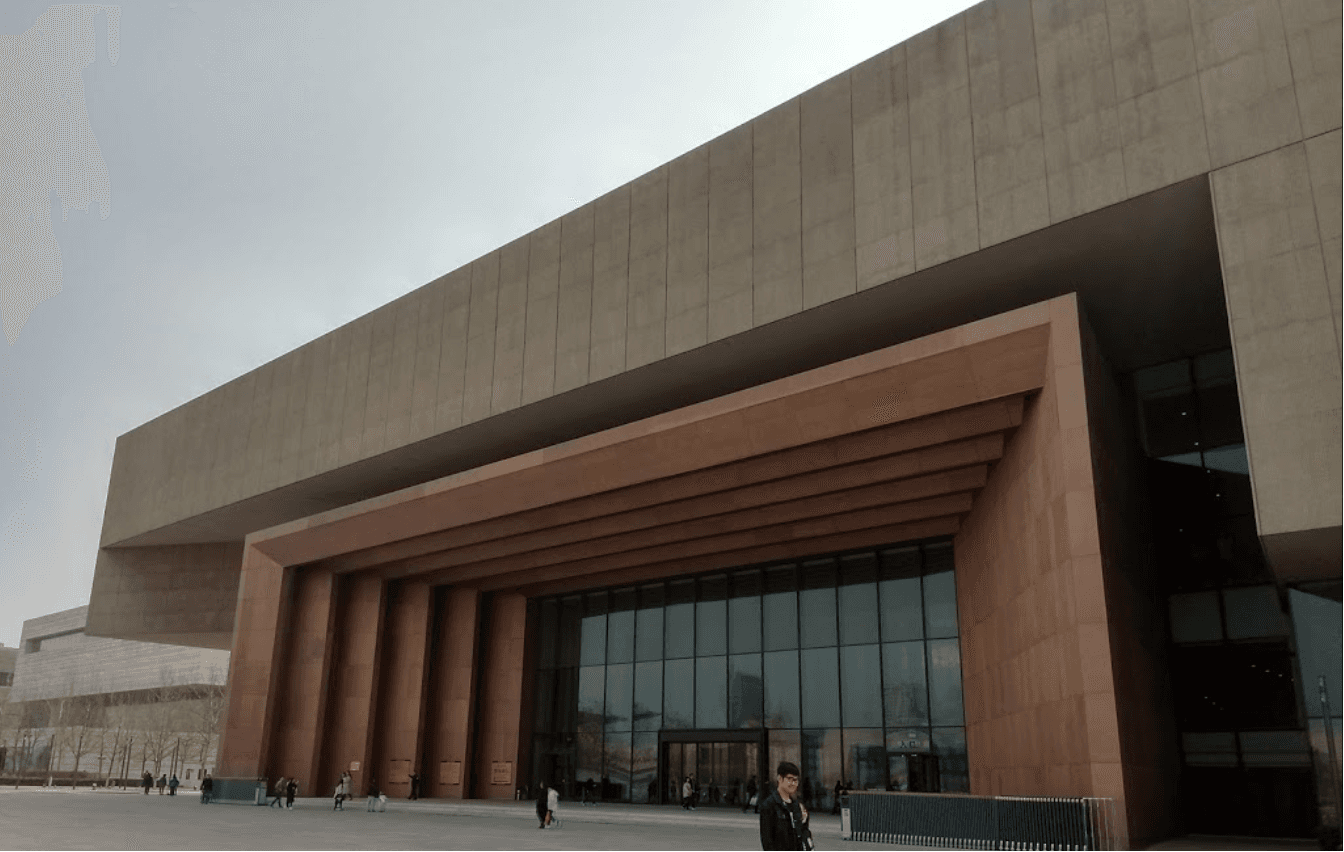
In the heart of Nankai district, the Tianjin Theatre Museum traces the history of Chinese opera in a Qing-style building that opened in 1986.
The Tianjin Theatre Museum is dedicated to traditional Chinese opera. Located in a Qing-style building at 257 Nanmenli Avenue, Nankai district, it houses costumes, photographs, paintings and stage objects linked to the history of the country's major opera troupes.
Why visit the Tianjin Theatre Museum
The museum stands out as much for its architecture as for its collections. The central hall, topped with a partially glazed roof, occupies most of the building and preserves the layout of a traditional Chinese theatre. The stage, approximately 70 m², is free of supporting columns and offers an unobstructed view from all seats. The natural light filtering through the glass roof originally allowed morning performances to be lit without candles or lamps.
Beyond the setting, the institution is one of the few places in China entirely dedicated to preserving opera heritage. It long served as Tianjin's centre for patriotic education and remains a recommended stop for understanding the scenic codes, makeup and costumes of Beijing opera and its regional variants.
Museum history
The building was constructed in 1985 and officially inaugurated on 1 January 1986. Presented as China's first professional opera museum, it established itself from the outset as a benchmark venue for preserving theatrical heritage.
The building spans 2,300 m² and can accommodate between 400 and 600 people during performances. Its rectangular courtyard, in the traditional Guangdong style, hosts part of the temporary exhibitions and provides a setting consistent with the spirit of historic theatres.
What to see
The collections trace the evolution of Chinese opera, particularly under the Qing dynasty. The tour highlights several major figures of the stage:
- Mei Lanfang, one of the most influential Beijing opera performers of the 20th century
- Yang Xiaolou, famous for his warrior roles
- Tan Fuying, heir to a great lineage of actors
- Shang Xiaoyun, one of the "four great dan" of Beijing opera
The display cases feature embroidered costumes, headdresses, stage props, as well as paintings and historical photographs documenting makeup techniques and dress codes specific to each role category (male, female, military, comic).
Temporary exhibitions are usually scheduled between March and April, with emphasis on pieces from the Qing repertoire and artists linked to Tianjin.
Practical information
- Address: 257 Nanmenli Avenue, Nankai district, Tianjin
- Recommended visit duration: allow 1 to 1.5 hours to explore all the galleries
- Admission: moderate entry fee, check access conditions on the day of your visit
- Opening hours: daytime opening, oriented towards mornings and early afternoon; inquire before visiting
- Audience: of interest to enthusiasts of performing arts, Chinese history and traditional architecture
When to visit
The most interesting period falls between March and April, when the museum organises its annual thematic exhibitions around opera and great stage figures. Spring is also a pleasant season to discover Tianjin, with mild temperatures suitable for walks in the historic Nankai quarter. Summer remains feasible but more humid, winter is dry and cold.
How to get there
The museum is located in Tianjin's historic centre, easily accessible from the city's main districts. Several urban bus lines serve Nanmenli Avenue; a taxi ride or ride-hailing app remains the simplest option for foreign visitors. From Tianjin railway station, allow around twenty minutes by car depending on traffic.
Nearby attractions
The visit fits well into a broader exploration of Tianjin's heritage and surroundings. To extend your stay, consult the Tianjin guide, which details other historic sites in the city. On a national scale, several major monuments of Chinese architecture are worth a detour, such as the Great Wall at Juyongguan or the Great Goose Pagoda in Xi'an.
Frequently asked questions
Frequently asked questions
Plan your trip
The Tianjin Theatre Museum is part of a broader cultural journey across the country. To build a bespoke itinerary combining heritage, opera and historic cities, explore our China travel ideas.
Interested in this visit?
We can include it in your personalised itinerary.