Baiji Si Temple (白鸡寺)
Baiji Si temple is a Tibetan Buddhist monastery near Shangri-La, less crowded than the famous Songzanlin. Ornate prayer halls, monks in daily practice, and natural high-altitude settings make it an authentic stop on any Shangri-La itinerary.
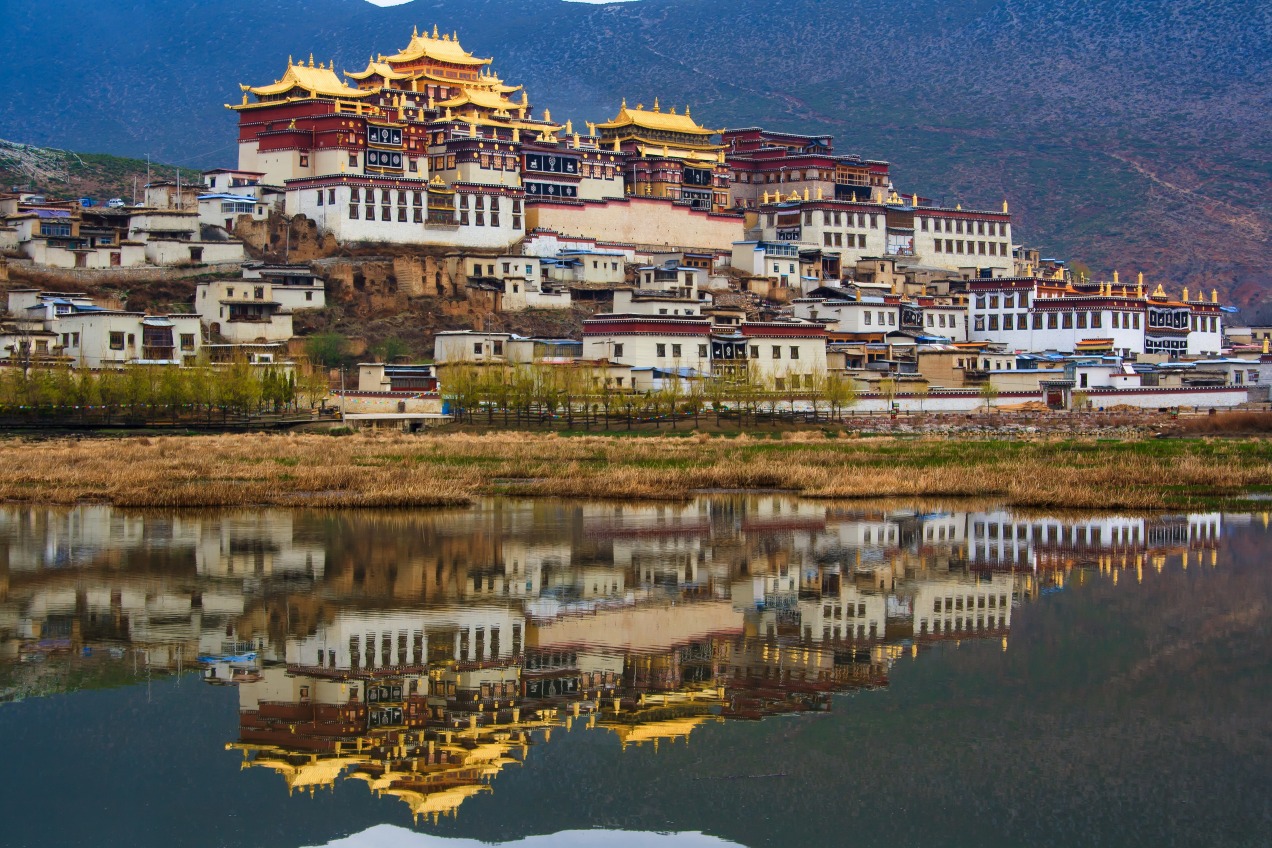
Baiji Si temple is a Tibetan Buddhist monastery set in the surroundings of Shangri-La in northwestern Yunnan. Less visited than the celebrated Songzanlin, it offers a serene atmosphere and an authentic glimpse into Tibetan monastic life. Golden-roofed buildings stand out against a landscape of grasslands and hills characteristic of the Tibetan plateau.
What to See
The site features ornate prayer halls decorated with thangkas, Buddha statues, and prayer wheels. Monks perform rituals daily. The architecture blends Tibetan and Chinese influences: curved roofs, red and gilt facades, paved courtyards. The surrounding natural setting—grasslands, mountains—is integral to the experience.
History and Context
Shangri-La is home to a substantial Tibetan community and several Buddhist monasteries of the Gelug school (yellow hat), to which Baiji Si belongs. These monasteries played a central role in the region's religious and cultural life, especially after religious sites reopened in the 1980s following the Cultural Revolution.
Highlights of Your Visit
The Prayer Halls
Inside the main halls stand gilded statues, yak butter offerings, and colorful tapestries. Witnessing a monks' prayer session, punctuated by drums and horns, remains the most memorable moment.
The Natural Setting
The temple grounds offer sweeping views of surrounding grasslands and mountains. A walk around the site allows you to appreciate the plateau landscape at high altitude.
Etiquette and Visiting Rules
- Covered clothing required: shoulders and knees must be covered.
- Remove your shoes before entering prayer halls.
- Circumambulate stupas and prayer wheels clockwise.
- Speak quietly and avoid disturbing monks at prayer.
- Ask permission before photographing people or the interiors of halls.
Photography Tips
Morning light is most favorable for photographing the gilded facades. On clear days, the contrast between golden roofs and prayer flags is particularly striking. Check restrictions inside prayer halls before taking out your camera.
Location and Access
The temple is located in the Shangri-La area (Zhongdian) at an altitude of approximately 3,200 meters. Taxi or private vehicle access from the city center is the most practical option. English-speaking local agencies like Nomadays can arrange transfers and guided visits combined with other regional sites.
Nearby Attractions
- Songzanlin Monastery — The largest Tibetan monastery in Yunnan, just a few kilometers away, essential for understanding local Tibetan Buddhism.
- Napa Lake — Wetland and nature reserve at the gates of Shangri-La, ideal for birdwatching during autumn migration.
- Old Town of Shangri-La (Dukezong) — Historic Tibetan quarter with cobbled lanes, craft shops, and the impressive giant prayer wheel.
Frequently asked questions
Spring (April–May) and autumn (September–October) offer pleasant weather and lush or golden landscapes. Summer is the rainy season but remains accessible. Winter is cold at this altitude.
Yes. Covered shoulders and knees are required. Bring a light jacket: the altitude makes mornings cool even in summer.
Yes, both sites are close and easily visited in half a day by private vehicle or taxi.
Outdoor areas are generally open to photography. Inside prayer halls, always ask the monks present for permission before photographing.
Shangri-La sits at approximately 3,200 meters. Plan a day for acclimatization upon arrival, stay well hydrated, and avoid strenuous activity during your first few days.
Interested in this visit?
We can include it in your personalised itinerary.