Hefei
Hefei
An understated capital of Anhui, Hefei reveals Song-era heritage, generous urban parks and the expansive Chaohu Lake. A complete guide to exploring the city.
Name: Hefei
Chinese name: 合肥
Province: Anhui
Status: Prefecture-level city
Population: 5,702,466 inhabitants
Area: 7,029.48 km²
Hefei is the provincial capital as well as the economic, cultural and political centre of Anhui. This dynamic capital is a pleasure to explore, with its expansive parks, lakes and numerous lively markets. Hefei is the key tourist destination for discovering the remarkable culture of Anhui.
History
Hefei as we know it today dates back to the Song Dynasty (960–1126). It was long the capital of the Kingdom of Wu (902–938) and an important centre for the Southern Tang State (937–975). After 1127, following the Jin-Song conflict, Hefei became a defensive stronghold for the Southern Song Dynasty (1126–1279) against the Jin. In 1911, following the founding of the Republic of Chine, superior prefectures were abolished and the city took the name Hefei. It became the capital of Anhui province in 1945 following Chine's victory in the Second Sino-Japanese War.
Today
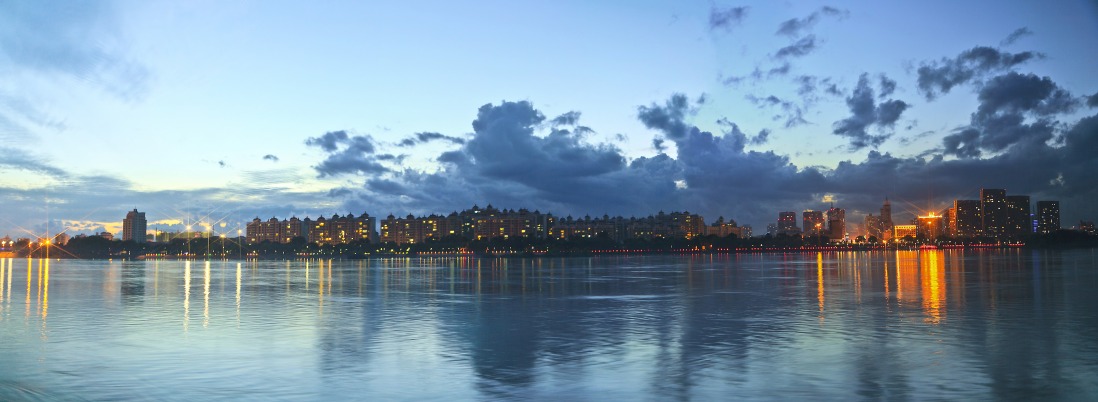
An ancient city, Hefei owes its original prosperity to the fertile plains extending to the south, which explain its importance for commerce. Recently, environmental improvement projects have been undertaken to increase green spaces within the city and make it more welcoming. Visitors appreciate their stay in Hefei for the dynamic atmosphere that pervades it. Hefei also charms with the modernity and cleanliness of its streets. Its numerous parks and gardens, along with its natural environment, provide welcome verdure. To the southwest lies Chaohu Lake, the province's largest freshwater lake. You can visit and meet local residents and fishermen who live along its shores. Its Xiaoyaojin Garden as well as Baohe Park, which houses the tomb of Lord Bao, offer pleasant green spaces and opportunities to rest in the shade.
Climate
Hefei's weather is characterized by a humid subtropical climate with four distinct seasons. The average annual temperature reaches 18.83°C, with an average of 28.1°C in July and 2.6°C in January. The heaviest rainfall is primarily recorded between May and August, so summers are hot, very humid and not ideal for travel. The best periods for traveling in Anhui and visiting Hefei are in spring between March and April or in autumn between September and November.
Air
Hefei's Xinqiao International Airport is located approximately 30 km from the city centre. It is served by flights from major Chinese cities such as Beijing, Shanghai, Guangzhou, Xi'an and others. It welcomes international flights from Bangkok, Hong Kong, Taipei and Singapore.
Train
Hefei has two railway stations. Hefei Station offers connections between the city and Shanghai, Beijing, Hangzhou, Shenzhen, Guangzhou, Chengdu and other cities in neighbouring provinces. The second station, known as West Station, is served by trains from smaller locations such as Bengbu, Huangshan or Haozhou.
Long-distance bus
The city is perfectly equipped in terms of road infrastructure, making it easily accessible by bus. It has four long-distance bus stations served by cities throughout Chine: Beijing, Shanghai, Xi'an, Guangzhou, Wuhan, Hangzhou, Nanjing, Changsha and others.
Hefei is crossed daily by bus lines operating from 6am to 11pm depending on the route. Buses will take you across the city for 1 Yuan. Taxis are also available day and night to take you to each tourist site.
What to do in Hefei?
- Stroll through the lovely Baohe Park and stop at the Bao Zheng Memorial, honouring the official from the Northern Song Dynasty.
- Trace the history of Anhui province at the Anhui Provincial Museum.
- Join in dance and singing activities with locals at Old Xiaoyaojin Park.
- Venture a little out of town to Mount Dashu for a hike and enjoy the exceptional panoramic views over Hefei.
Want to discover this destination?
Our local advisors design your tailor-made trip.