Jinggang Shan
Jinggang Shan
Birthplace of the Chinese Revolution and a biosphere reserve, Jinggangshan blends red tourism, highland forests and rare wildlife in the heart of Jiangxi.
Name: Jinggangshan
Chinese name: 井冈山
Province: Jiangxi
Status: City District
Population: 58,790
Area: 1,276 km²
Jinggangshan is a city and mountain range in Jiangxi province, bordering Hunan. As the birthplace of the Chinese Revolution, Jinggangshan is a historic landmark of communism and consequently an essential destination in Jiangxi.
History
The Jinggangshan mountain played a crucial role in modern Chinese history.
As the first revolutionary base, nicknamed the "Red Capital," Jinggangshan served as the rallying point for the troops of Zhu De and the forces led by Mao Zedong before they embarked on the Long March toward Shaanxi. The victory of this revolution led to the birth of New China, presided over by Mao Zedong.
Today
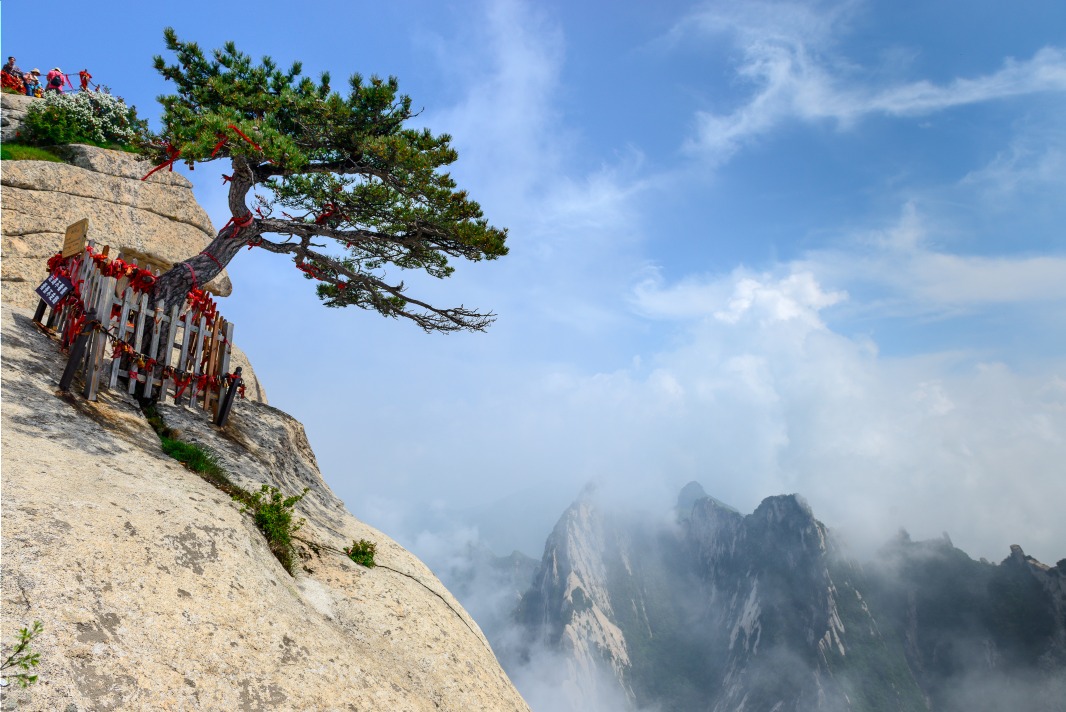
This historically significant massif reveals stunning landscapes formed by vast high-altitude forests. Its rolling terrain, dotted with communist heritage sites, makes it an exceptionally rich destination.
Experienced hikers can enjoy scenic hiking trails and venture into the forests. Well-marked earth paths have been developed to aid navigation.
While in Jinggangshan, don't miss the Five Dragons Pools, located just under 10 km northwest of the city. This site features five waterfalls set in magnificent natural surroundings. Access is via well-marked trails and requires approximately 6 hours of hiking. For those with less time, a cable car has been installed, allowing you to reach the site in just a few minutes.
Another must-see site is the Five Fingers Peak or Mount Wuzhi. As the highest summit in the Jinggang mountain range at 1,438 meters, the peak consists of five distinctive peaks from which it takes its name. Not only is it the highest point, but it is also the most expansive and offers the finest panoramic views. The steep peak is truly imposing, and its virgin forest bears virtually no signs of human presence. The mountain is consequently home to numerous rare animal species, including snub-nosed monkeys, sambar deer, and satyr tragopans. The view of its five peaks can be observed from a viewing platform situated opposite the peaks.
From Huangyang Jie, one of the five important observation posts at approximately 1,300 meters elevation, you can enjoy breathtaking views of the surrounding mountains.
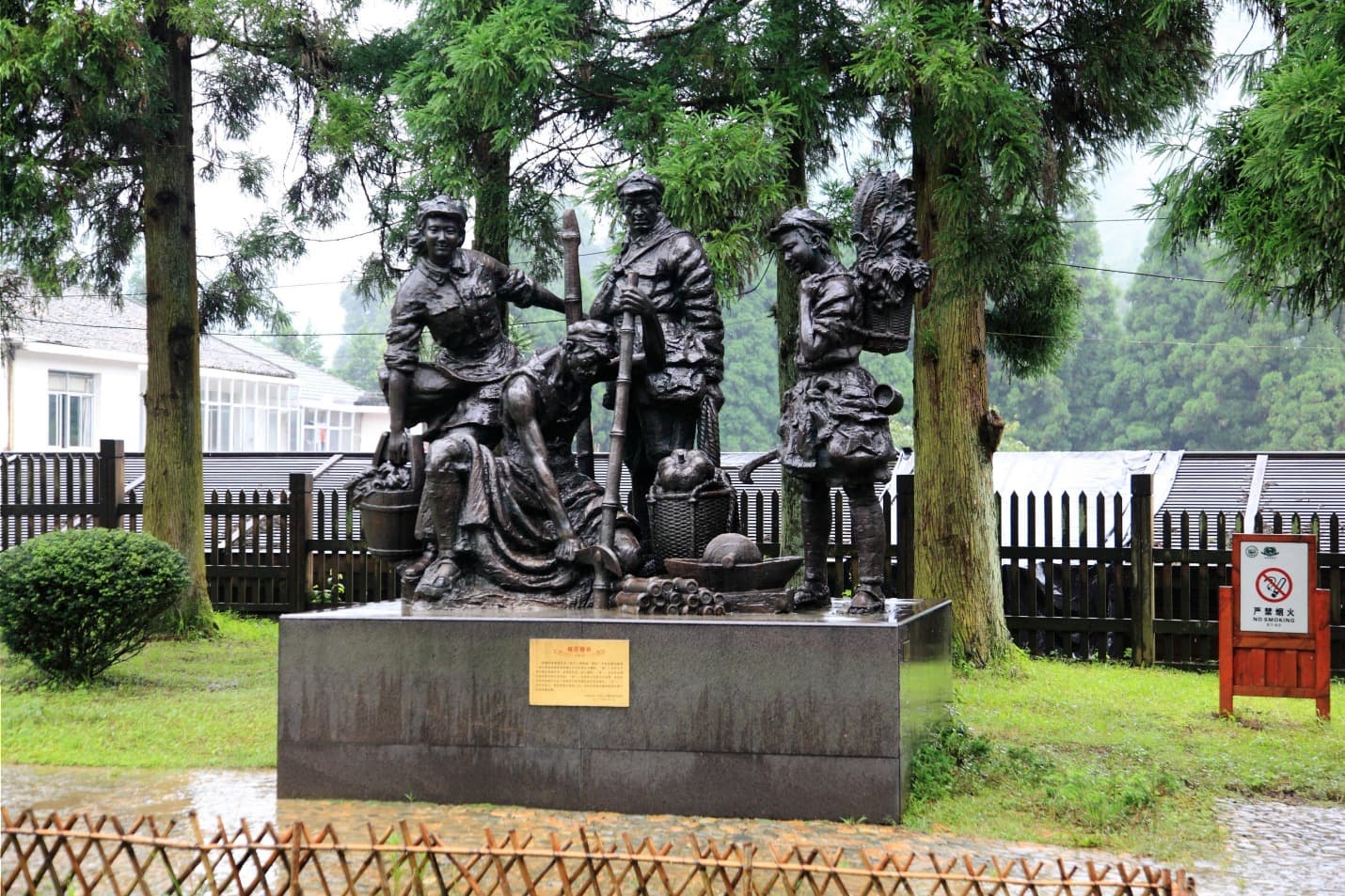
Next, head to Ciping Village, where you'll find numerous sites documenting the history of the Chinese Revolution. You can visit, among others, the Revolutionary Museum, dedicated to the struggle between the Guomindang and communists for control of the Jiangxi and Hunan regions, the former revolutionary quarters, and the Tower of Revolutionary Martyrs.
Jinggang Mountain holds tremendous significance in Chinese revolutionary history and provides an excellent glimpse into what life was like during that era. This important Red Army tourist site is not only a historical landmark but also a region of incredible beauty that offers wonderful hiking opportunities in nature.
Climate
The subtropical monsoon climate affecting the region is somewhat influenced by Jinggangshan's terrain. Summers are hot and especially humid, with a monsoon season. Autumns tend to be dry with more pleasant temperatures.
It is best to visit Jinggangshan from March to April or September to November. Winters can experience freezing periods.
Getting There
Air
The recently opened Jinggang Airport, located 80 km from Ciping, is served by flights from Guangzhou, Shanghai, and Nanchang.
Train
Trains from Nanchang serve Ji'an and Ciping.
Long-Distance Bus
Direct buses connect Nanchang to Jinggangshan. Some services are also available to Changsha.
Minibuses and taxis allow you to reach the main sites of interest.
A cable car is available to access one of the peaks.
Admission Fees
February 16 to November 15: 190 RMB
November 16 to February 15: 160 RMB
Want to discover this destination?
Our local advisors design your tailor-made trip.