Ningbo
Ningbo
An ancient port on Hangzhou Bay, Ningbo blends Ming-era libraries, Buddhist monasteries and a gateway to Putuoshan. Our guide to exploring it.
Name: Ningbo
Chinese name: 寧波
Province: Zhejiang
Status: Sub-provincial city
Population: 7,605,689
Area: 9,816 km²
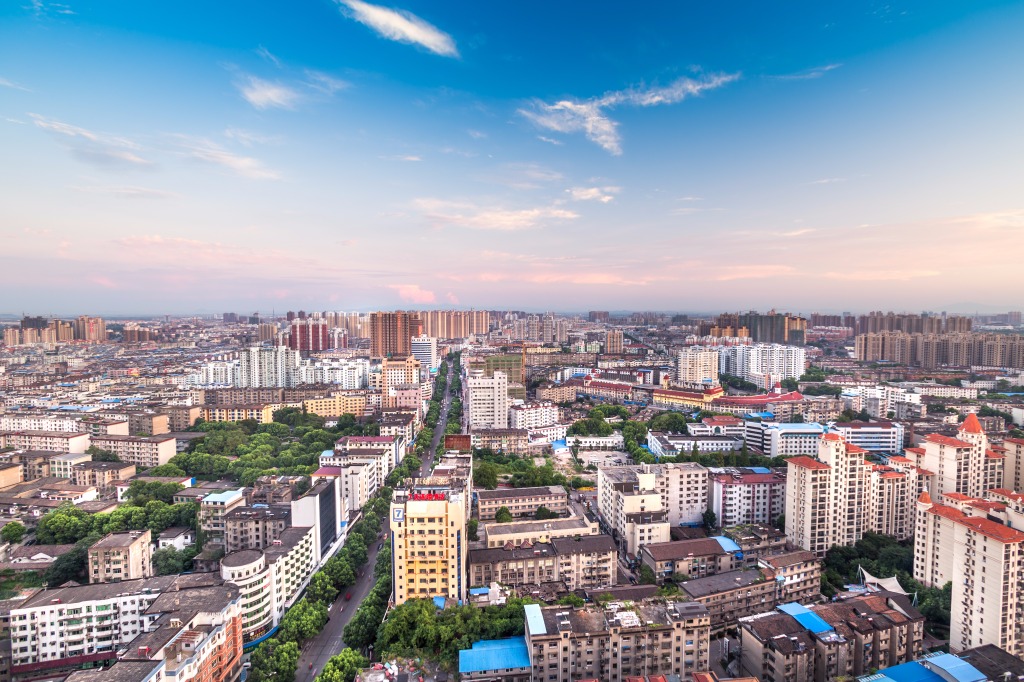
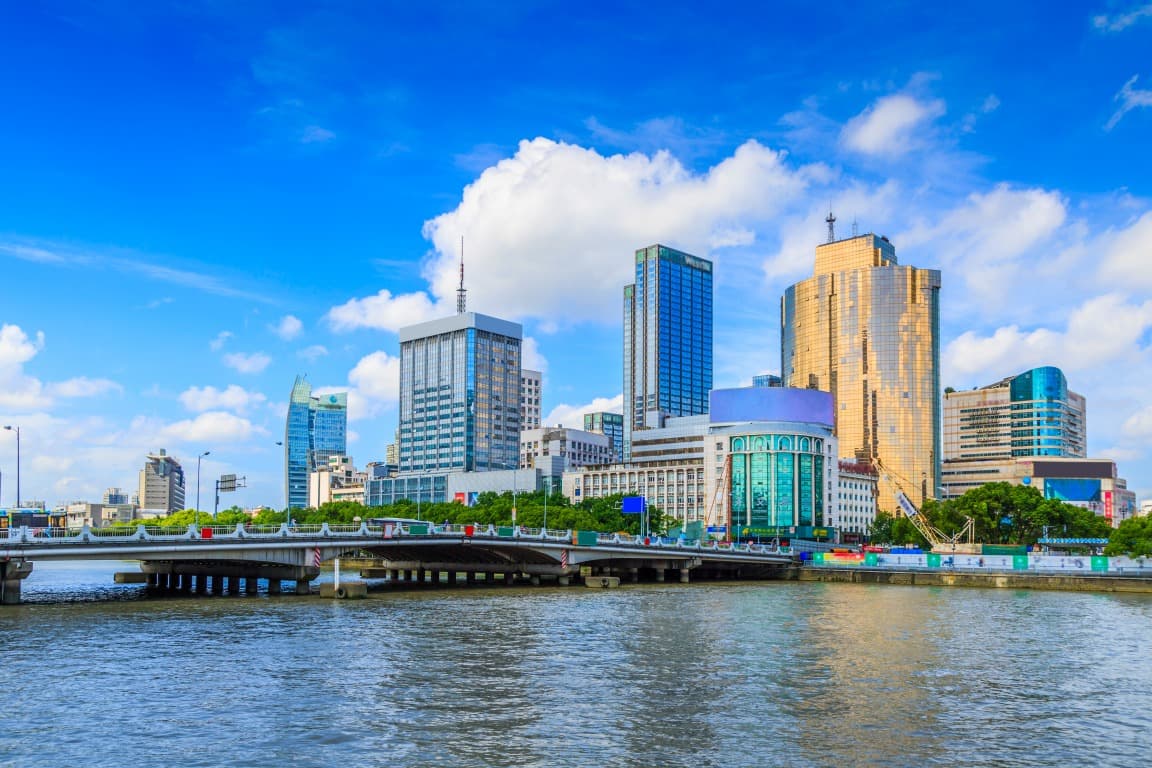
Ningbo is a port city on Hangzhou Bay, located in the northeast of Zhejiang province. This sub-provincial city serves as the economic hub of the province, thanks to its substantial port. While strikingly modern, Ningbo has preserved the natural landscape and historical structures surrounding it, offering visitors pleasant walks through layered history.
History
During the Song dynasty (960–1279), Ningbo was regarded as a major commercial port for tea, ceramics, and silk. Ships exported goods from the province to Japan, Korea, and along China's coastline.
In the 16th century, the Portuguese established themselves in the district north of the Xinjiang Bridge, monopolizing trade between Japan and Chine.
Following the Opium War (1840–1842), Ningbo became one of the country's five most significant ports.
In 1940, Ningbo was bombed during the Second Sino-Japanese War with ceramic ordnance filled with fleas carrying plague.
Today
While Ningbo is an imposing and thoroughly modern port city, it remains highly rewarding to visit. Its relaxed atmosphere makes it an ideal stop to discover several historical monuments during a day visit before heading to Putuoshan Island.
Its historical past has left behind vestiges that remain remarkably well preserved. During your stay in Ningbo, you can visit the Tianyi Pavilion, one of the city's main attractions. The pavilion is renowned for housing China's oldest private library.
Do not miss the Tiantong Monastery either, one of Buddhism's most significant centers, or the Ashoka King Temple, where a fragment of Sakyamuni's skull is preserved.
Two structures have withstood modernization. Notable among them are the charming Drum Tower at the entrance to the pedestrian street and the Xianfeng Pagoda nearby.
While the city pushes toward modernization, the local population's passion for traditional craftsmanship remains undiminished. Hand-woven bamboo vases, paintings, and animal figurines are particularly popular and sold in local markets.
Climate
Given its coastal location in a monsoon subtropical climate zone, the region experiences a temperate and humid climate. The annual average temperature is 16.2°C.
Ningbo's region enjoys four distinct seasons, guaranteeing visitors a different vacation experience depending on when they travel.
July is the warmest month with an average temperature of 28.8°C, while January, with an average of 4.6°C, is considered the coldest month.
Air
Ningbo Lishe Airport is reasonably well served by major cities across Chine. Daily flights operate to and from Hong Kong, Seoul, Shanghai, Beijing, Kunming, and Shenzhen.
Train
The Ningbo train station is located in the city center. Trains run to and from Beijing, Shanghai, Hangzhou, Nanjing, Xiamen, Shenzhen, Guangzhou, and Wenzhou.
Long-distance bus
The city has five long-distance bus stations. Buses connect the port city to most towns in the province as well as major cities in neighboring provinces.
Boat
Ferry services operate between Ningbo and Putuoshan Island.
Ningbo is equipped with two metro lines. Additional lines are currently under construction.
Taxis are readily available throughout the city for convenient travel.
What to do in Ningbo?
- Discover China's oldest private library at Tianyi Pavilion.
- Soak in the Buddhist atmosphere at Tiantong Monastery.
- Appreciate the peaceful gardens of the Ashoka King Temple.
- Drive across the Hangzhou Bay Bridge, the world's longest sea bridge.
Explore all attractions in Ningbo.

Want to discover this destination?
Our local advisors design your tailor-made trip.