Guangxi
Name : Guangxi
Chinese name : 广西壮族自治区 (guǎngxī zhuàngzú zìzhìqū)
Status : Autonomous region
Capital : Nanning
Population : 47,190,000 inhabitants (2013)
Area : 236,700 km²
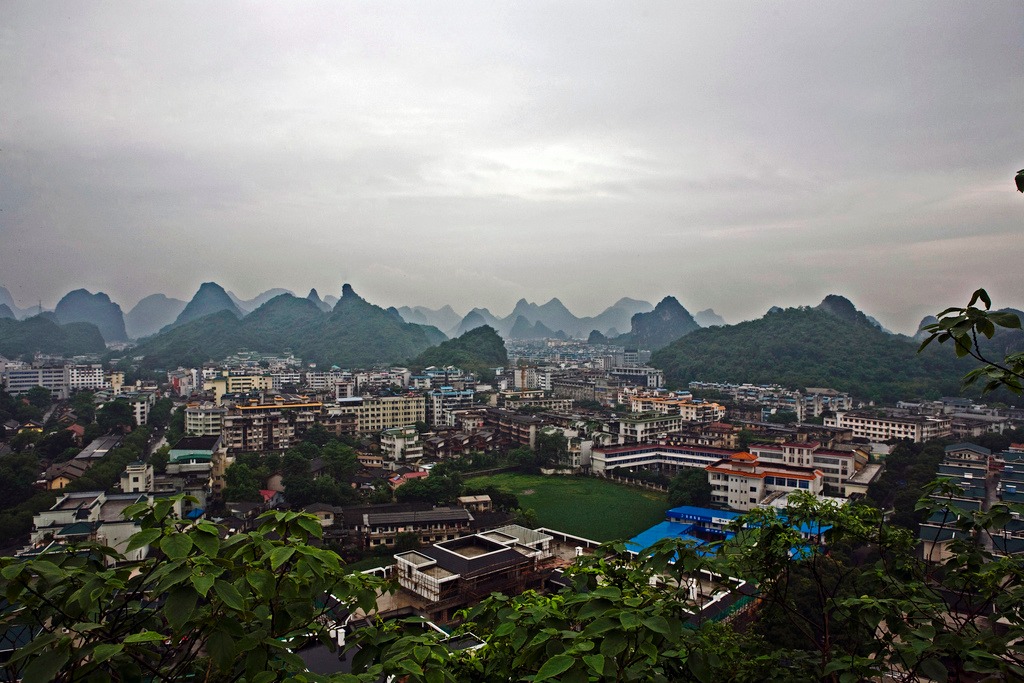
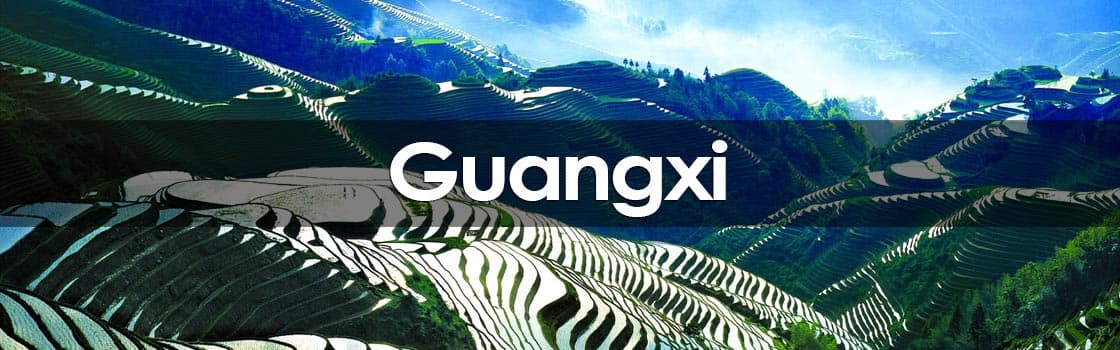
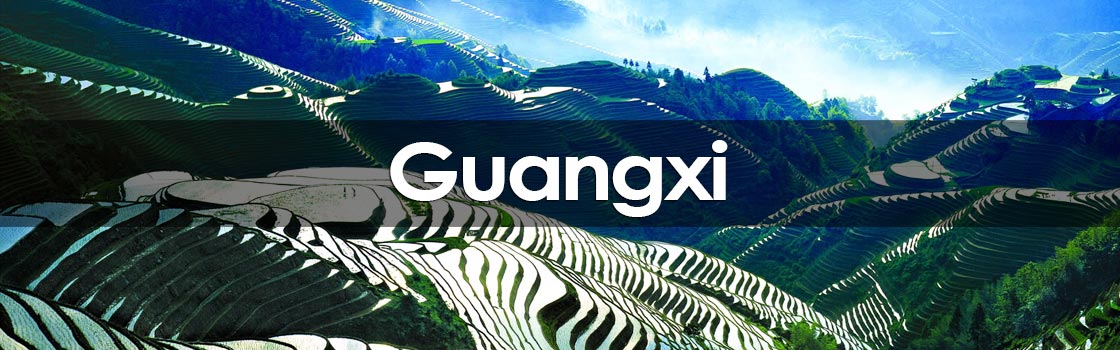
Guangxi is located in the southern part of Chine, facing the Beibu Gulf on the South Chine Sea and bordering Vietnam to the southwest. Characterized by spectacular natural landscapes, the charming Guangxi autonomous region is home to minority populations who continue to live according to traditional customs. Travelers from around the world visit Guangxi to admire its famous karst peaks and the terraced rice fields of Guilin.
History
In 214 BCE, an army from the Qin dynasty conquered the territories that now cover Guangdong and eastern Guangxi, subjugating the Zhuang people, who subsequently retreated northward to join the Yao and Miao (H'mong) communities.
Unlike the Zhuang, who integrated into Chine culture, the Yao and Miao remained in mountainous regions, where they were often oppressed by the Han. The constant conflicts between the Chine and minority groups led to uprisings in the 1830s; the Taiping Rebellion, decades later, began in Guangxi.
The Qin dug the first canal in Chine (Ling Canal), though this did not prevent the province from remaining in the background until the 20th century. Anti-Guomindang forces began modernizing it in the 1920s, but it suffered considerable destruction during World War II. Massive infrastructure projects developed in the 1960s in transportation, designed to support Vietnam in its war against the United States, finally stimulated economic development, as did the recent tourism boom of Guilin.
Guangxi Today
The minority populations of Guangxi are increasingly inspiring curiosity among visitors who initially came to Guangxi to admire the mysterious karst peaks of Guilin and Yangshuo, as well as the terraced rice fields of Guilin.
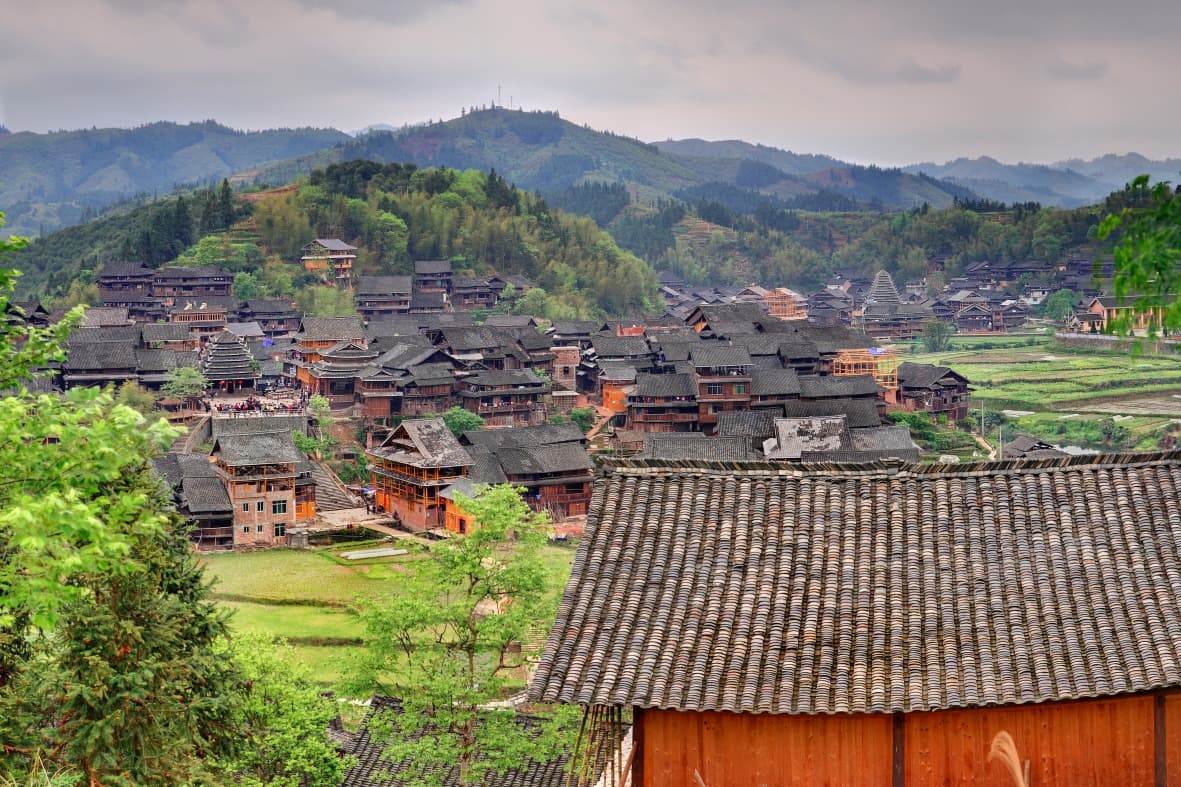
Limestone formations, terraced rice fields, covered bridges, and drum towers create a wonderful and authentic landscape. Exploring this region is a rich discovery experience for all Chine and foreign tourists.
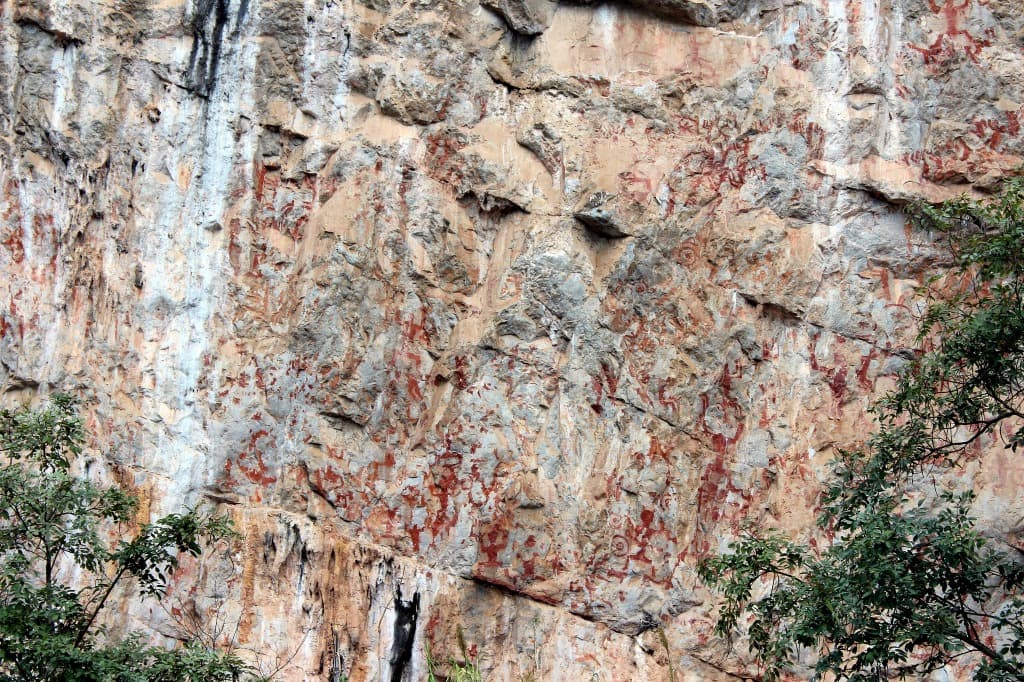
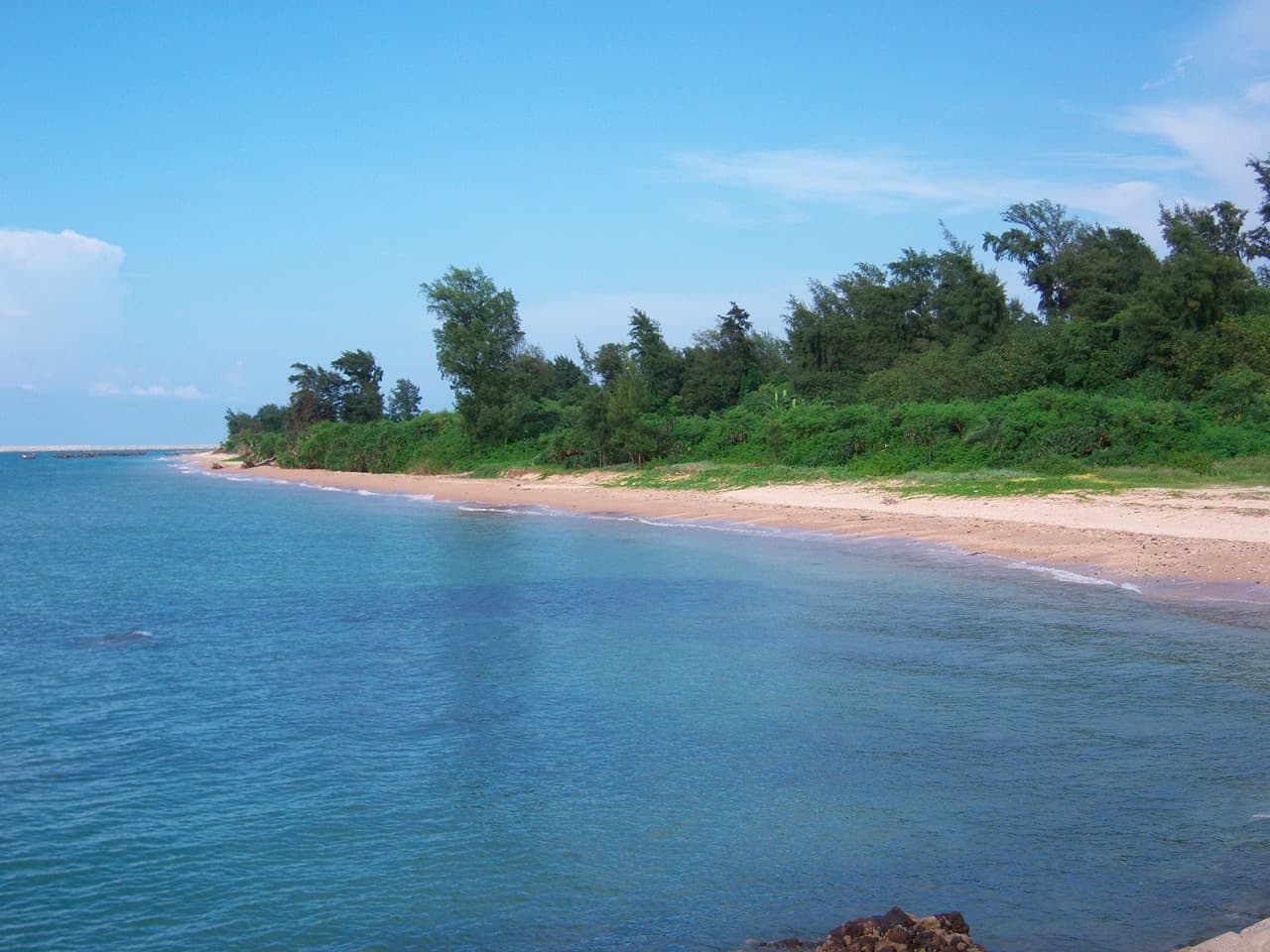
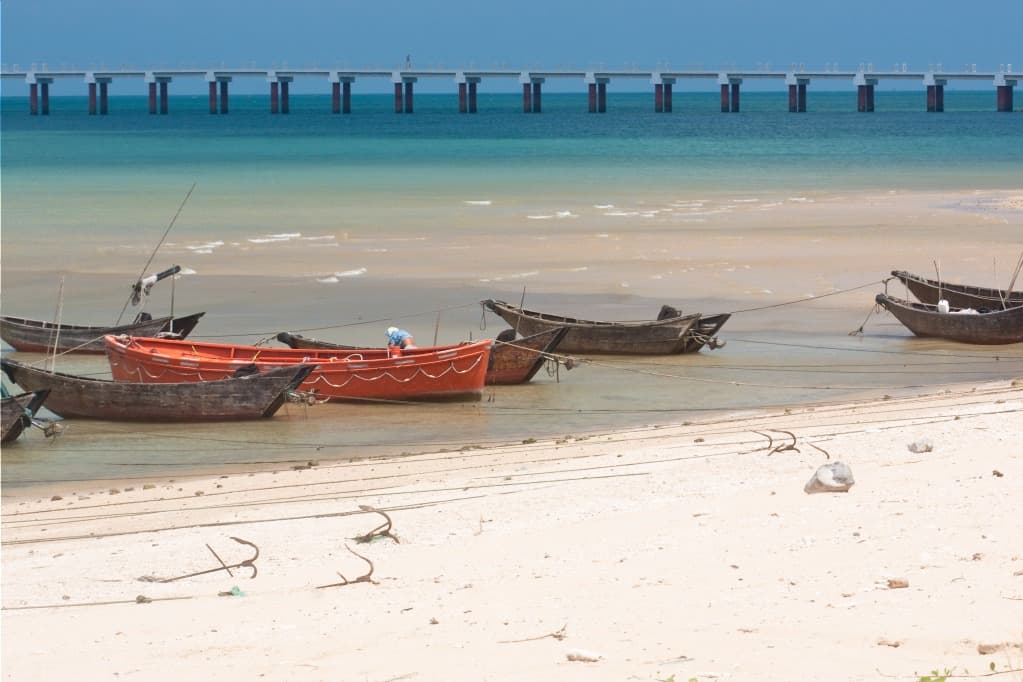
In the southern part of Guangxi lie the most beautiful beaches of mainland Chine, the rock paintings of the Left River (Zuo Jiang), border crossing access to Vietnam, and the Detian Falls that straddle the border. You will hear both Zhuang and Vietnamese spoken here, and these two languages sit alongside Chine characters on signage.
As for the people of Guangxi, three-quarters of the population form a true mosaic of ethnicities. Today, the Zhuang, numbering more than 15 million, compose the largest Chine minority in this province. Indeed, the province is often called the "Zhuang Autonomous Region of Guangxi." Also present in smaller numbers are other minorities: Dong, Maonan, Mulao, Jing (Gin from Vietnam), and Yi.
Guangxi roughly means "Broad West," and for centuries, the province's remoteness and steep topography have condemned it to poverty, a persistent problem today outside major cities. Its vast area of 236,000 km² ranks it 9th nationally, and its population ranks 11th.
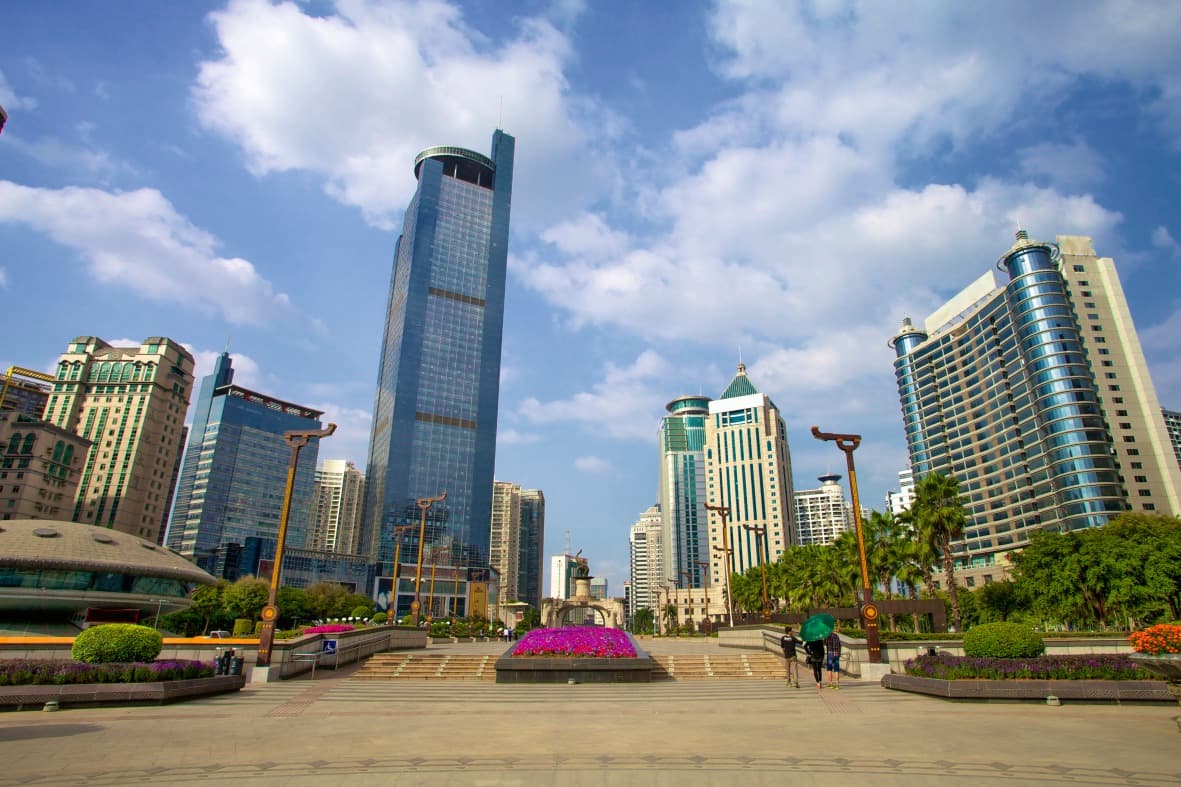
Overall, Guangxi is a vast mountainous region whose capital Nanning is nicknamed the "Green City" because of its lush tropical vegetation.
Climate
Located on the same latitude as Florida, Guangxi enjoys a climate of comparable mildness; however, only very light clothing can be comfortably worn. The subtropical monsoon climate of the Guangxi autonomous region results in high humidity levels.
January is the coldest month, with average temperatures ranging from north to south between 6°C and 16°C. Frost and snow may be observed at lower elevations in the north. In July, temperatures are generally warmest and range from north to south between 23°C and 29°C.
The rainy season occurs between April and September. March can experience some light but persistent precipitation, bringing high humidity and uncomfortable coolness. The coast can also be swept by typhoons from summer onward.
September and October remain the best months to visit the region and appreciate the natural beauty it has to offer.
How to Get There
The Nankun railway line heading to Yunnan is equipped with ultra-modern tracks and trains. Guilin Airport is also among the busiest and most efficient in the country. Guangxi is furthermore connected by ferry to the island of Hainan. Several villages in the northern part of the province are accessible only by boat. Numerous buses also run routes from major cities in Guangxi and neighboring regions such as Guangdong.
Language
Your linguistic bearings will be completely upended upon arriving in Guangxi. You will hear Cantonese spoken near the border with Guangdong, see bilingual Chine-Vietnamese signage on the southern coast and in western regions, and become familiar with the romanized linguistic system of the Zhuang (different from standard pinyin, yet still comprehensible) on the streets of Nanning. Many minority languages are also spoken throughout the province, including Yi, Miao, and even Hakka.
What to Do in Guangxi?
- Cruise on the Li River departing from Guilin, with its legendary karst landscapes
- Take a cycling tour through rice fields, old villages, and the peaks of Yangshuo
- Hike to the Dragon's Back terraced rice fields, near Longsheng
- Stroll through the typical alleyways of old Beihai
- Attend the sound and light show Impression Liu Sanjie in a unique setting
- Try your hand at cormorant fishing with local fishermen