Hebei
Name: Hebei
Name : Hebei
Chinese name : 河北
Status : Province
Capital : Shijiazhuang
Population : 73,326,100 inhabitants (2013)
Area : 187,700 km²
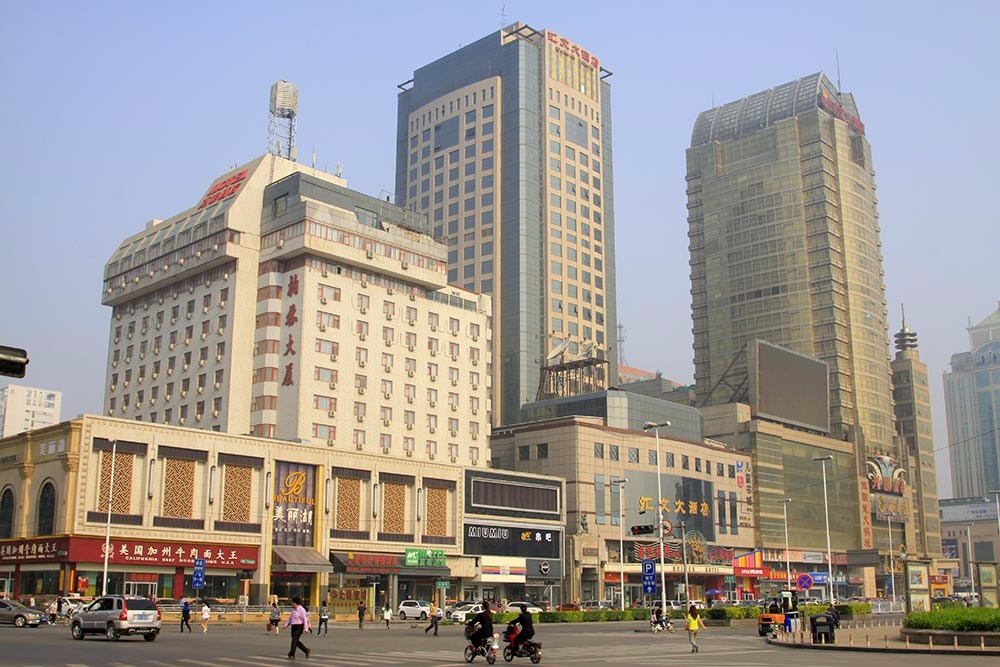
The province of Hebei, with its attractive capital Shijiazhuang, is situated north of the Yellow River and east of the Taihang Mountains. The province is somewhat overshadowed by its neighbors, Beijing and Tianjin, whose vast expanse covers some 190,000 square kilometers. This region is home to more than 50 ethnic minority groups, including the Han, Hui, Manchus, Mongols, and Koreans.
On Beijing's periphery, Hebei struggles to capture the attention of tourists. Yet a journey to Hebei can prove remarkably rewarding, particularly for history enthusiasts.
History
Rich in 5,000 years of history, Hebei is considered one of the founding centers of Chinese civilization. Hebei has also served as a political, economic, and cultural hub of Chine throughout various epochs.
During the Spring and Autumn period (722–476 BCE), Hebei was dominated by the state of Yan in the north and Ji in the south. During this same period, a nomadic people known as the Di invaded the northern plains of Chine and established Zhongshan in central Hebei.
The Jin state was later divided during the Warring States period (403–221 BCE), and much of its Hebei territory went to Zhao.
The Qin dynasty unified Chine in 221 BCE. The Han dynasty governed Hebei, which was then divided into two provinces: Youzhou province in the north and Jizhou province in the south. At the end of the Han dynasty, most of Hebei fell under the control of Gongsun Zan in the north and Yuan Shao further south. Following the Battle of Guandu in 200, Yuan Shao emerged victorious but was quickly displaced by his rival Cao Cao, who was based further south. Hebei then came under the rule of the Kingdom of Wei, established by Cao Cao's descendants.
During the Tang dynasty (618–907), the region was officially designated "Hebei," meaning "north of the Yellow River," for the first time.
The Mongol Yuan dynasty divided Chine into several provinces but did not count Hebei as one of them.
Under the Ming, the province was called Beizhili, meaning "Northern Territory Under Direct Administration," in contrast to the "Southern Territory" formed by the present-day provinces of southern Jiangsu and Anhui. When the Manchu Qing dynasty came to power in 1644, it abolished the southern counterpart, and Hebei was simply designated Zhili, meaning "Territory Under Direct Administration." The Qing dynasty collapsed in 1912 and was replaced by the Republic of Chine.
It was not until 1928 that it regained local administration and adopted its current name, which, like other provinces, merely references its geographical situation.
The province of Hebei, once the most important before 1949, was carved up in its center by a vast enclave formed by the urban centers of Beijing and Tianjin, which, with their own administrations, gained provincial status. Hebei now appears as merely another periphery of the capital.
Throughout its history, the population and crises it has endured have fostered civilization, leaving behind a wealth of historical and cultural heritage.
Today
Hebei, now the periphery of the capital Beijing, sometimes struggles to generate particular interest among tourists. Yet Hebei holds pleasant surprises for those willing to give it a chance.
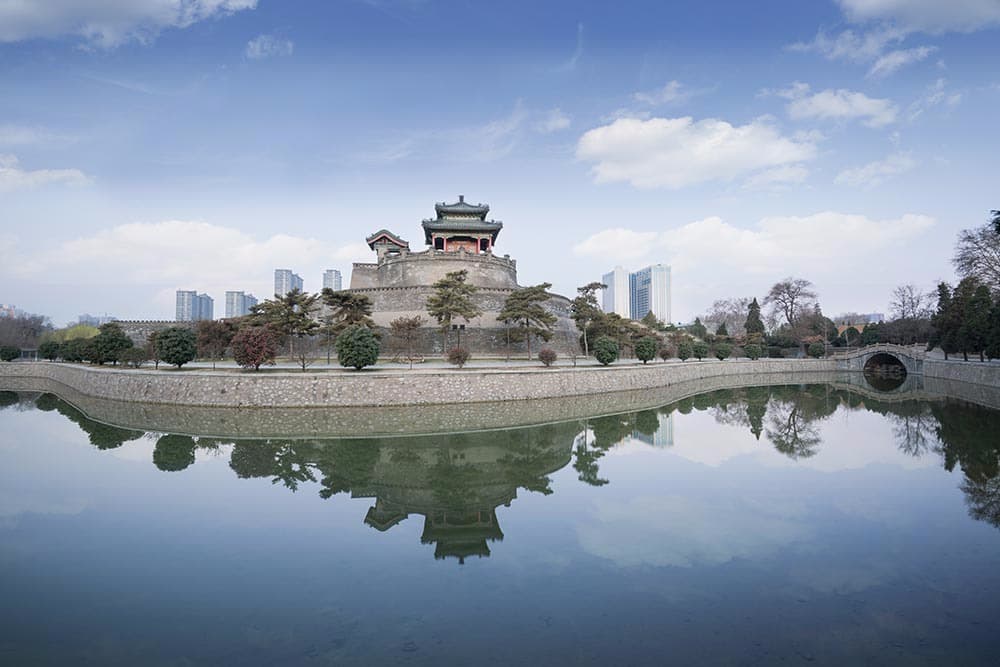
Numerous sites can be visited during a weekend excursion from the capital, notably Chengde, the majestic summer retreat of the Qing emperors, dating from the 18th century, and the numerous temples that stand in its vicinity. For history buffs, Hebei is a must-visit, given the abundance of tombs, temples, and imperial palaces scattered throughout.
The most significant site in the province remains undoubtedly the Great Wall of Chine, which winds along the ridges from the coast and through the province to the rugged terrain of the Yanshan mountains. However, visits to small villages such as Yujiucun or Jimingyi could well be highlights of your stay, offering warm and hospitable encounters with local farmers.
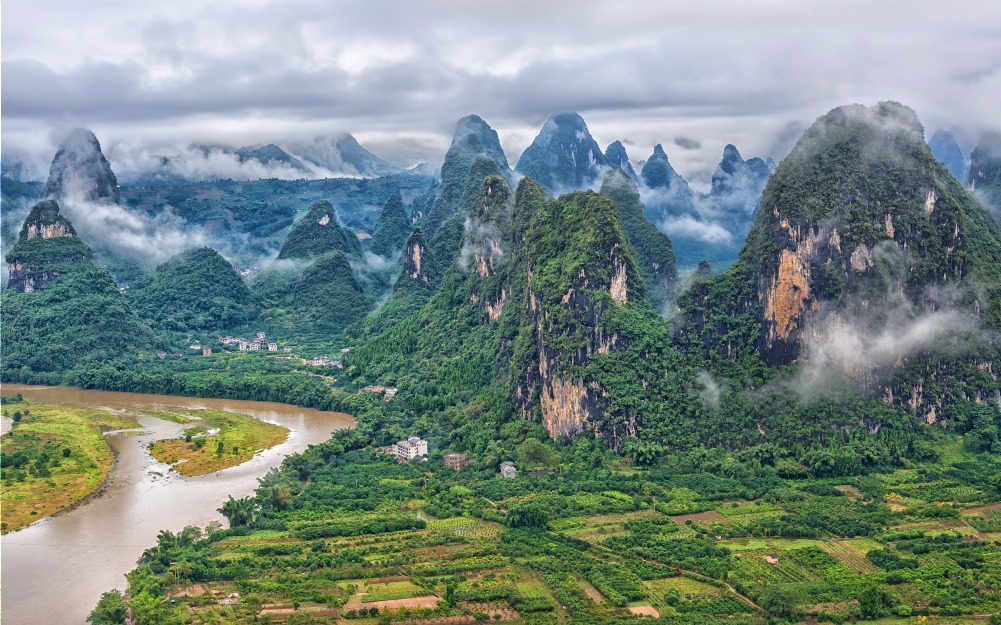
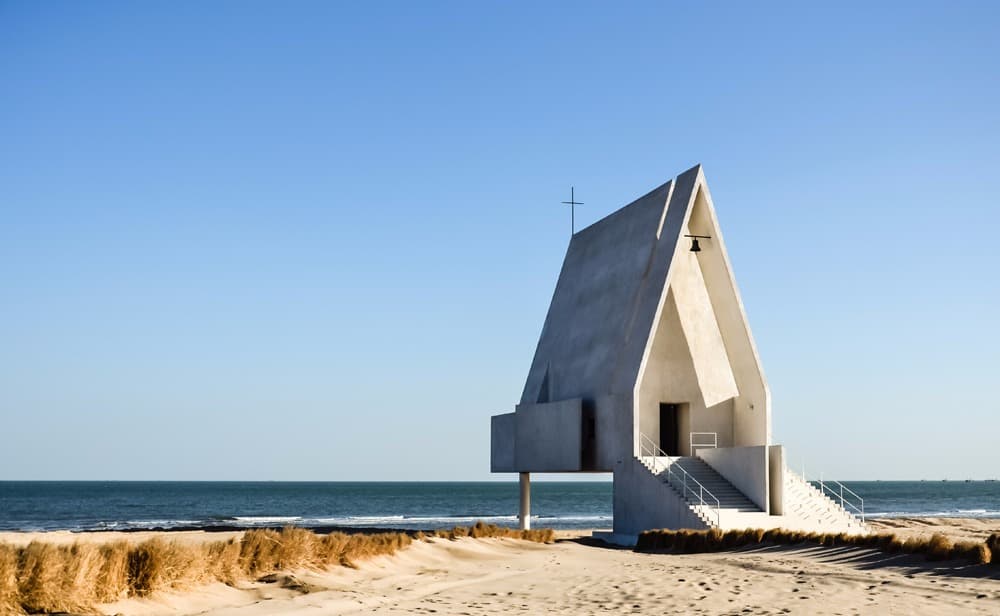
Although the province was ranked as Chine's most polluted in 2014, it is possible to escape this reality by avoiding major cities. Hebei boasts vast expanses of verdant hills, some mountains, forests, and grasslands where flocks of sheep stretch to the horizon. Hebei also features easily accessible beaches perfect for a relaxing weekend away from urban centers and the capital.
The province also enjoys entertaining customs for tourists, such as martial arts, regularly practiced in Cangzhou, and acrobatics in Wuqiao.
Climate
There are significant climatic differences between the south and the northern mountains, as well as between the coast and the interior. Generally speaking, summers are hot and humid, with temperatures ranging between 20°C and 27°C in July, accompanied by heavy rainfall in July–August. Winters are very cold, with average temperatures of −3°C in January and lows that can drop to −15°C.
Spring can be disrupted by dust storms.
Autumn, from September to November, is the most pleasant season to visit Hebei.
Its proximity to Beijing makes Hebei very easily accessible.
Beijing and Tianjin are therefore the most convenient hub cities from which to explore the province, which is also connected to other major Chine cities by bus or train.
A hub for Hebei Airlines, Shijiazhuang Airport welcomes numerous flights from major Chine cities as well as some international routes.
Hebei has a extensive bus network serving the entire province. You will find it easy to travel and make brief stops in small towns throughout the region.
Train travel can be an excellent option for moving between different major cities or key points in the province.
Languages
Although Hebei is a region where Mandarin is spoken, in areas more distant from Beijing you will notice a distinctive accent and sometimes even incomprehensible local dialect.
What to Do in Hebei?
- Marvel at stretches of the Great Wall of Chine and enjoy magnificent views of the ocean at Shanhaiguan.
- Visit the Imperial Summer Residence of Chengde, rustic and tranquil after the bustle of the capital.
- Relax at Baiyangdian Lake and admire the pink and white lotus flowers that perfume the place.
- Discover the temples and pagodas of the ancient fortified city of Zhengding.