Shandong
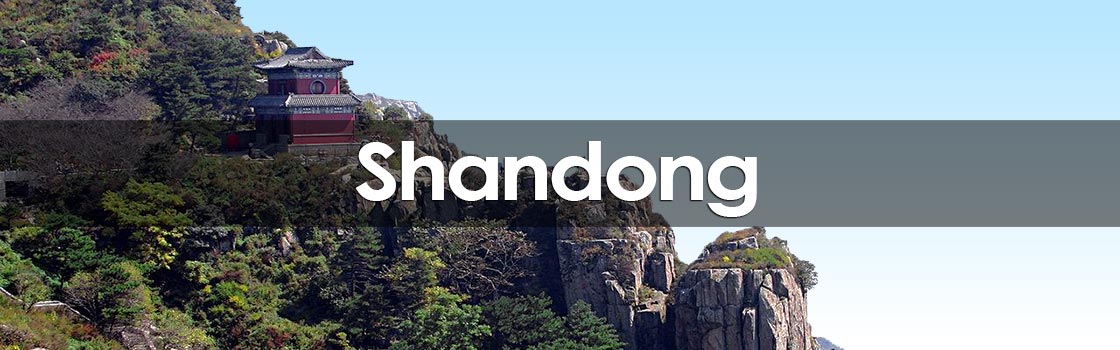
Name : Shandong
Chinese name : 山东 / 山東 (shāndōng)
Status : province
Capital : Jinan
Population : 97,333,900 inhabitants (2013)
Area : 156,700 km²
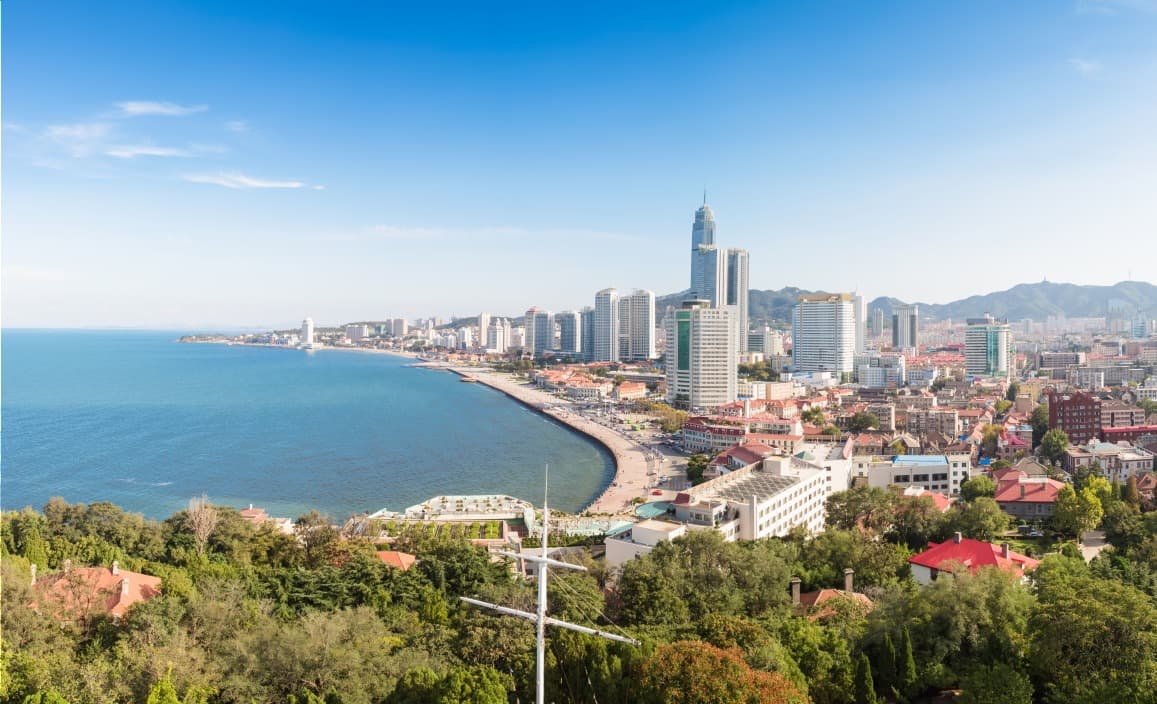
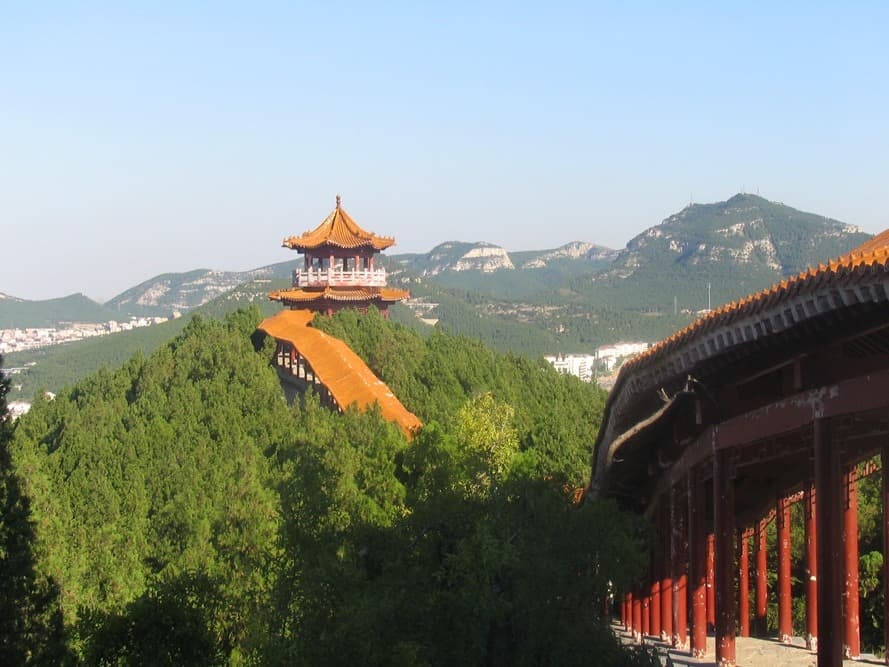
Shandong is one of the most densely populated provinces in Chine. Rich in tourist attractions, Shandong is primarily the birthplace of Confucius. A stay in Shandong will immerse you in a history that profoundly shaped Western, Japanese, and Korean thought while teaching you Confucian principles. Shandong is also a region blessed by nature, offering visitors picturesque sites such as Mount Taishan and the Qingdao Bay.
History
The turbulent history of Shandong traces back to the origins of human settlement in the region, as evidenced by fragments of black pottery from the Longshan culture. The province suffered greatly from the unpredictable nature of the Yellow River, whose countless floods continually brought death, famine, and economic collapse. In 1899, the river (rightly nicknamed the "scourge of Chine") inundated the entire Shandong plain, following two consecutive droughts. This flooding came in the wake of prolonged economic depression, the sudden influx of demobilized troops in 1895 after a humiliating defeat at the hands of Japan in Korea, and the arrival of thousands of refugees fleeing calamities devastating the South.
To make matters worse, the Europeans arrived; the Germans took control of Qingdao and the British obtained the concession of Weihai. Their activities, including railway construction and missionary proselytism, awakened, according to the Chinese, the wrath of the gods and spirits. All conditions were ripe for the eruption of the Boxer Rebellion, a Chinese secret society that led a xenophobic movement at the end of the nineteenth century. Armed with magical formulas and sabres, the Boxers were defeated by Western bullets.
Today, Jinan, the provincial capital, plays a secondary role to Qingdao, as do the coastal cities of Yantai and Weihai, which are flourishing. In the hinterland, the Shengli oil fields rank second in Chine's production.
Several illustrious figures are natives of Shandong. Confucius, the region's greatest son, an extraordinary philosopher and social theorist, lived here, as did Mencius, the master of Confucian thought. Wang Xizhi, the most renowned Chinese calligrapher, and Zhuge Liang, brilliant military strategist of the Three Kingdoms period, also hail from here, as does the strikingly beautiful Gong Li, an internationally acclaimed cinema icon who grew up in Jinan.
Today
In today's Chine, which shows no hesitation in multiplying cardboard attractions to please thrill-seeking tourists, the far northern Shandong, whose name means "East of the Mountains", manages to preserve all its authenticity while establishing itself as one of the most visited provinces in the country.
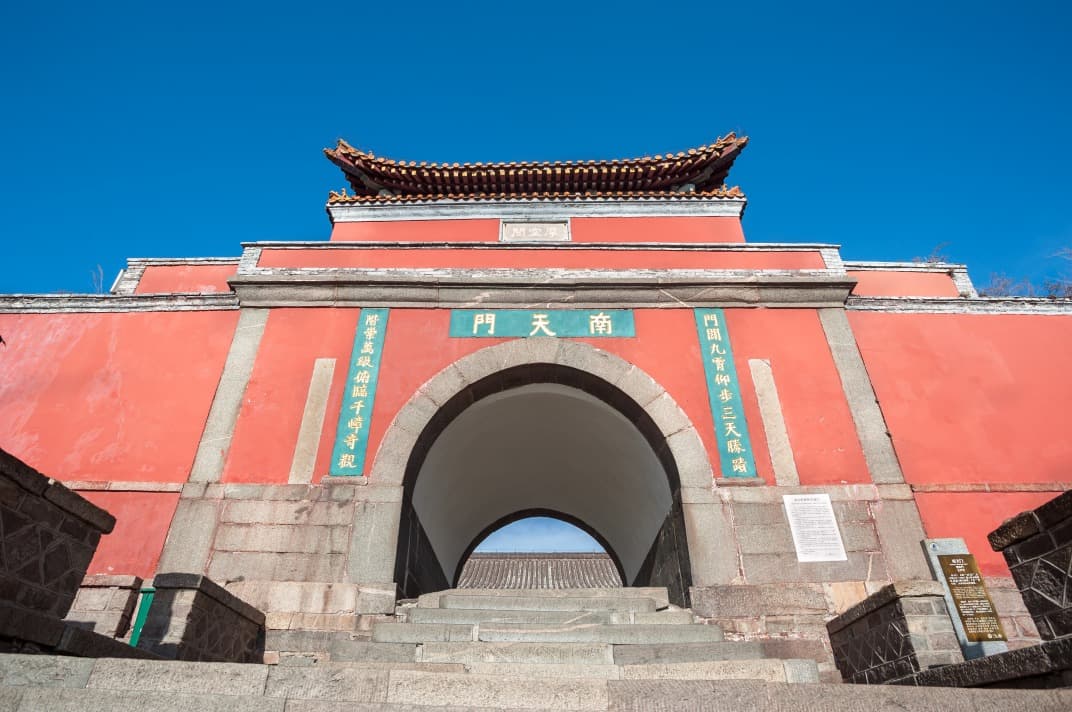
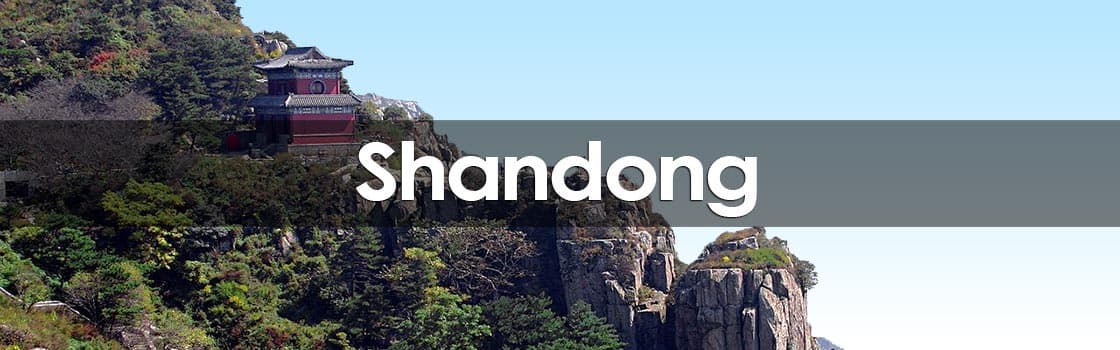
The Yellow River (Huang Hé), to which the Chinese ascribe a mythical character, dumps its muddy waters into the sea, at the end of a tortuous journey beginning in the Qinghai massif and crossing Shandong. It is also here that Tai Shan rises, the most venerated of the five sacred mountains of Chine, and also the most climbed.
Travelers who love nature and the countryside will also find their happiness on the lands of the ancient stone village of Zhujiayu.
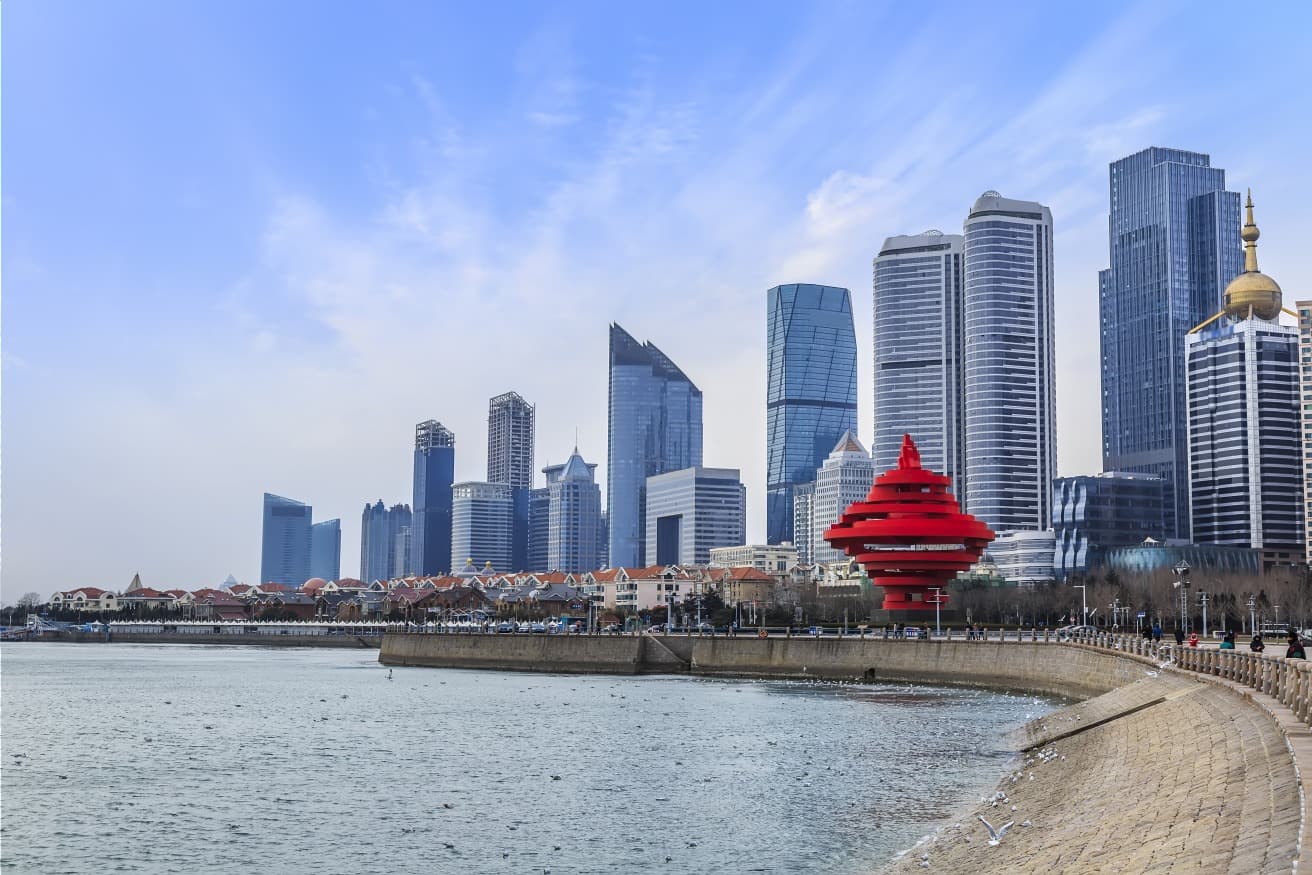
On the Shandong Peninsula, the city of Qingdao, which hosted the sailing events of the 2008 Olympic Games, offers a breath of fresh air and a unique architectural heritage, a legacy of German presence. With its seafaring facade, Shandong has always been one of Chine's richest provinces, and by extension one of the most coveted by foreign powers in the nineteenth century.
Yet the region has managed to keep its feet on the ground. The honesty and frankness of its inhabitants are recognized throughout the country, and its cuisine mirrors these qualities: wholesome and free from affectation.
Climate
Shandong experiences hot summers (May to August) and cold winters (November to March). The average annual temperature ranges from 11°C to 14°C. The coastal cities of Qingdao, Yantai, and Weihai enjoy cooler summers and milder winters than the interior.
How to Get to Shandong?
Jinan, Qingdao, Yantai, and Weihai all have airports, with international flights between Qingdao and Japan and South Korea, and between Yantai and South Korea.
Ferries operate from Yantai and Weihai to Dalian and Inchon in South Korea, as do boat services connecting various South Korean ports.
Buses and trains connect nearby and distant provinces.
How to Get Around Shandong?
From Jinan, a railway hub of the province, trains ensure connections with all major cities in Shandong.
There is also an extensive bus network serving the entire region.
Languages
The majority of the population in Shandong province are Han Chinese. They generally speak various forms of Mandarin dialects such as Jilu, Jiao Liao, and Zhongyuan.
What to Do in Shandong?
- Climb Mount Tai Shan, the famous Taoist mountain of Chine
- Visit the ancient walled city of Qufu, at the heart of the Confucian movement
- Sip a fine Tsingtao beer by the seaside at Qingdao
- Wander through the village of Zhujiayu, dating from the Ming Dynasty
Cities of Shandong