Drak Yerpa (Yerpa Caves)
Forty kilometers northeast of Lhasa, the Drak Yerpa caves open into an ochre cliff face at over 4,000 meters altitude. An active meditation site since the 7th century, associated with Padmasambhava and Songtsen Gampo.
Some forty kilometers northeast of Lhasa, the Drak Yerpa caves open into an ochre cliff face overlooking an isolated valley. This meditative retreat site ranks among the oldest in the Tibetan region: hermits have practiced meditation here since at least the 7th century. Several caves are associated with major figures in Tibetan Buddhism, including Songtsen Gampo and Padmasambhava. The atmosphere is one of contemplation, far from the capital's hustle.
Practical Information at a Glance
- Access: road from Lhasa heading northeast; the final track is unpaved and requires a suitable vehicle.
- Permit: the Tibet Autonomous Region (TAR) permit is mandatory for all foreign visitors, along with an approved guide.
- Recommended duration: allow half a day, including the climb and cave visits.
- Attire: covering clothing recommended; respectful behavior in the cave-chapels.
- Altitude: the site exceeds 4,000 meters — prior acclimatization in Lhasa is essential.
What to See
The cliff shelters around twenty natural caves that have been adapted into chapels or meditation cells. Some contain statues, thangkas, and butter lamps maintained by resident monks. The climb winds past rocks covered with rock paintings and carved mani stones. From the top of the site, views across the valley and surrounding ridges are unobstructed.
History and Context
Tradition credits King Songtsen Gampo with founding the site in the 7th century. Padmasambhava, the tantric master who introduced Vajrayana Buddhism to Tibet in the 8th century, is also said to have meditated here. Drak Yerpa became a favored retreat for great Tibetan lamas throughout the first millennium. Damaged during the Cultural Revolution, the site underwent partial restoration from the 1980s onward and remains active today.
Highlights of Your Visit
The Padmasambhava Cave
Identified by monks as the master's retreat sanctuary, this cave houses a statue and permanent offerings. The space is narrow and the light subdued; the atmosphere here is particularly dense and contemplative.
The Climb Along the Cliff Face
The path carved into the rock connects the caves via stairways. Mani stones and prayer flags line the route. The ascent itself forms part of the spiritual experience of the place.
The Monastic Community
Monks and nuns reside on-site. You may well encounter them at prayer or maintaining the chapels. This living presence sets Drak Yerpa apart from a mere archaeological site.
Etiquette and Visiting Rules
- Circumambulate stupas and mani stones in the clockwise direction (Buddhist convention).
- Request permission before photographing monks or the interiors of chapels.
- Speak softly inside the cave-chapels.
- Do not touch statues or ritual objects.
- Remove your shoes if a monk invites you to do so at a cave entrance.
Photography Tips
Morning light illuminates the ochre cliff directly and offers the best conditions for photographing the entire site from the valley below. Inside the caves, light levels are very low; a camera with strong low-light performance is beneficial. Always check with monks present before photographing in worship spaces.
Location and Access
Drak Yerpa lies approximately 40 km northeast of Lhasa. There is no regular public transport to the site. The standard solution is to rent a vehicle with driver from Lhasa, typically arranged through your local agency. The final unpaved track requires a 4×4 or high-clearance vehicle. The site is not accessible to persons with reduced mobility due to elevation changes and rocky trails.
Nearby Attractions
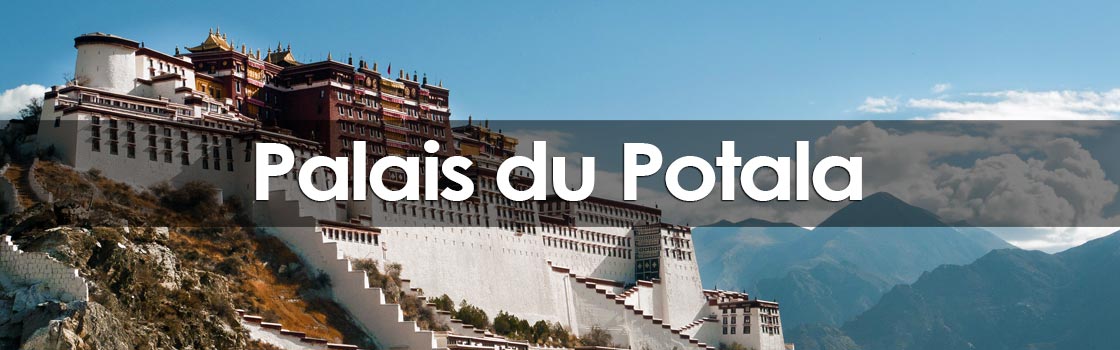
- Potala Palace — historic residence of the Dalai Lamas, an iconic monument of Lhasa.
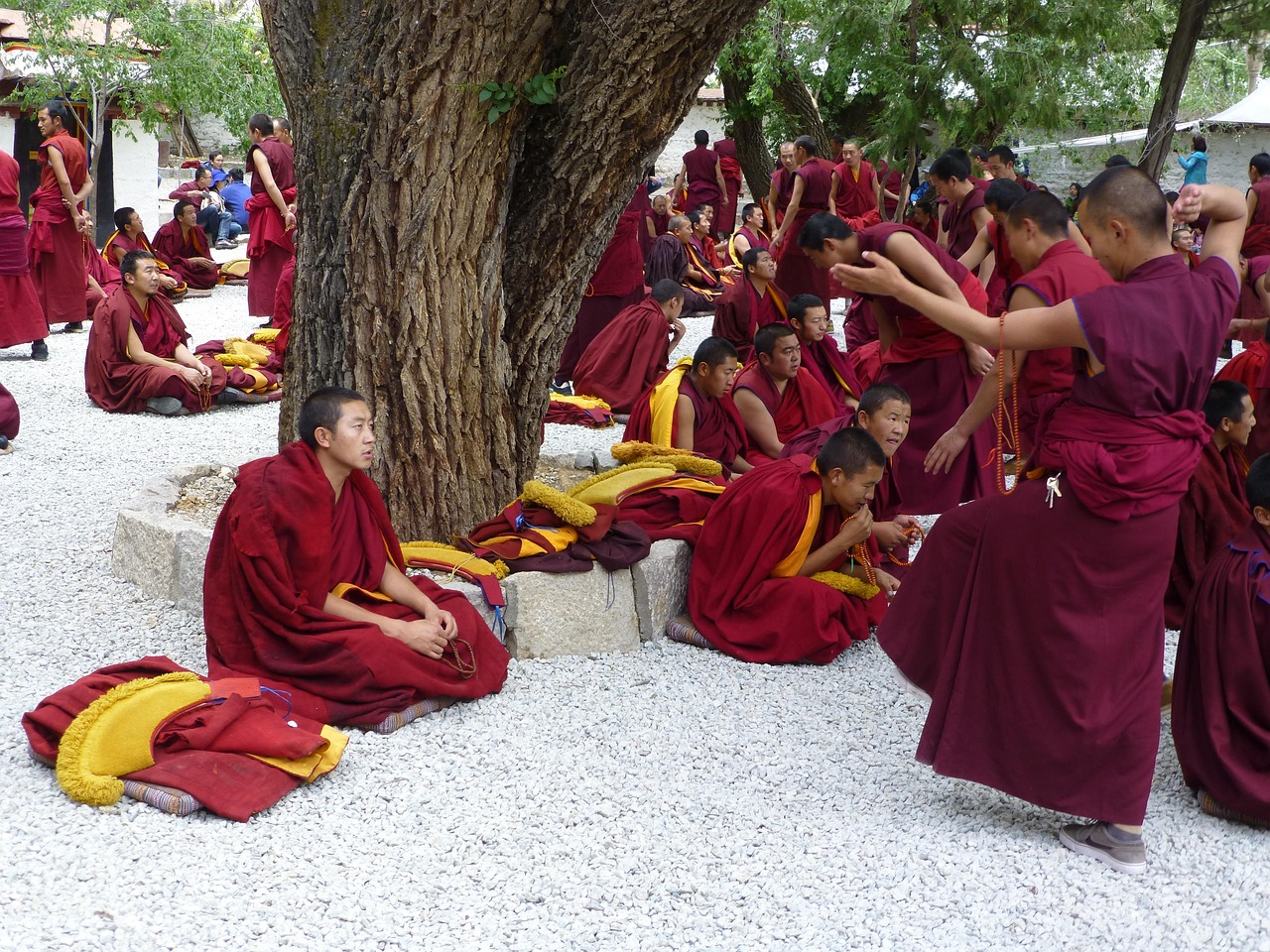
- Sera Monastery — major Gelug monastery north of Lhasa, famous for its afternoon monk debates.
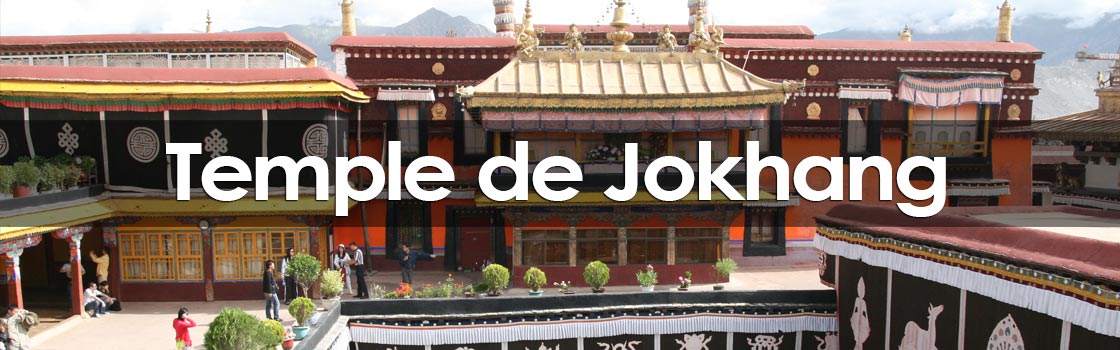
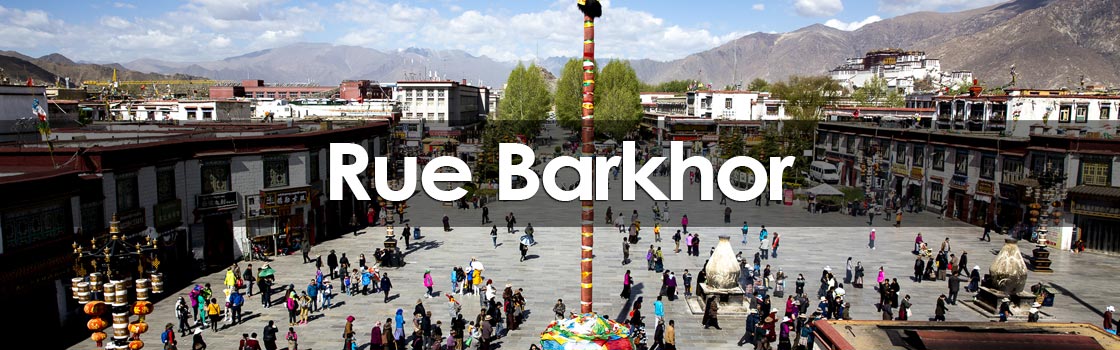
- Jokhang Temple — the spiritual heart of Lhasa, surrounded by the Barkhor circumambulation circuit.
- Drepung Monastery — one of Tibet's largest monasteries, west of Lhasa.
Nearby
Interested in this visit?
We can include it in your personalised itinerary.