Kangding
Kangding
At the confluence of Han Chine and the Tibetan plateau, Kangding opens the way to Mount Gongga, the Tagong grasslands and the legendary Tea and Horse Road.
Name: Kangding
Chinese name: 康定县
Province: Sichuan
Status: County seat
Population: 35,480 inhabitants
Area: km²
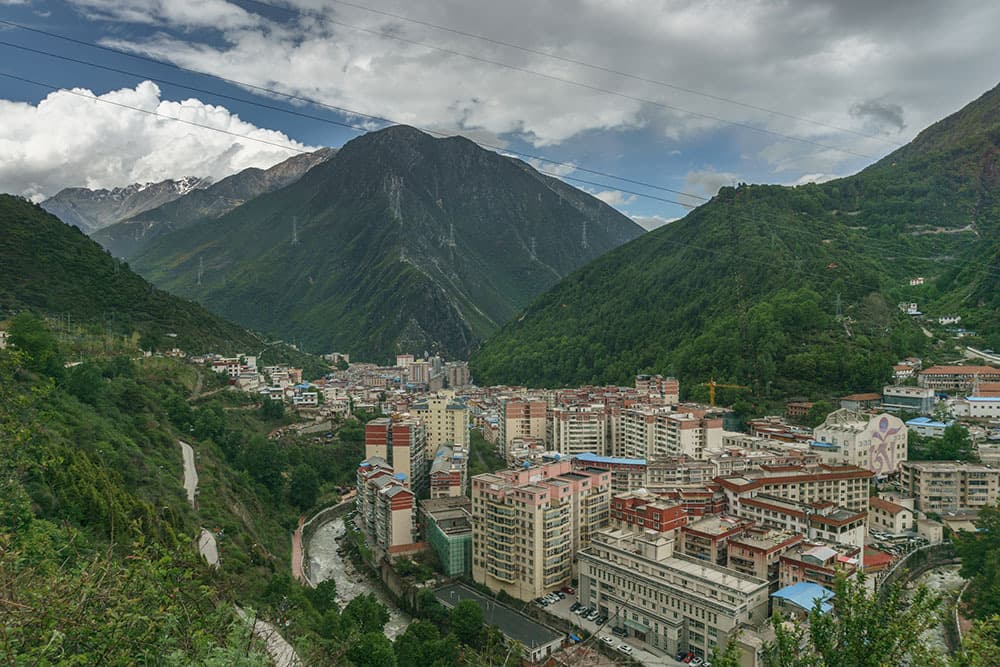
Kangding is a historic and cultural city nestled in the mountains at the heart of a valley where the Zheduo and Yala rivers converge. The city lies east of the Ganzi Tibetan Autonomous Prefecture in western Sichuan.
It is home to 17 ethnic minorities, with a majority of Tibetans, Hui, and Qiang peoples.
History
Between 1939 and 1945, Kangding served as the capital of Xikang, a former province that disappeared following the Guomindang's defeat in 1950.
Known in the West as Tachienlu, the city flourished as a hub for trade in tea, gold, rhubarb, and furs. Kangding was one of the most significant trading posts on the Tea and Horse Road. As such, it became the first official Sino-Tibetan trading center recognized by Emperor Kangxi of the Qing Dynasty in 1696.
By 1990, the city had transformed into a vibrant and increasingly touristy destination.
Today
Nestled at the heart of a deep valley, Kangding is dominated by the majestic Mount Gongga, standing at 7,556 meters above sea level.
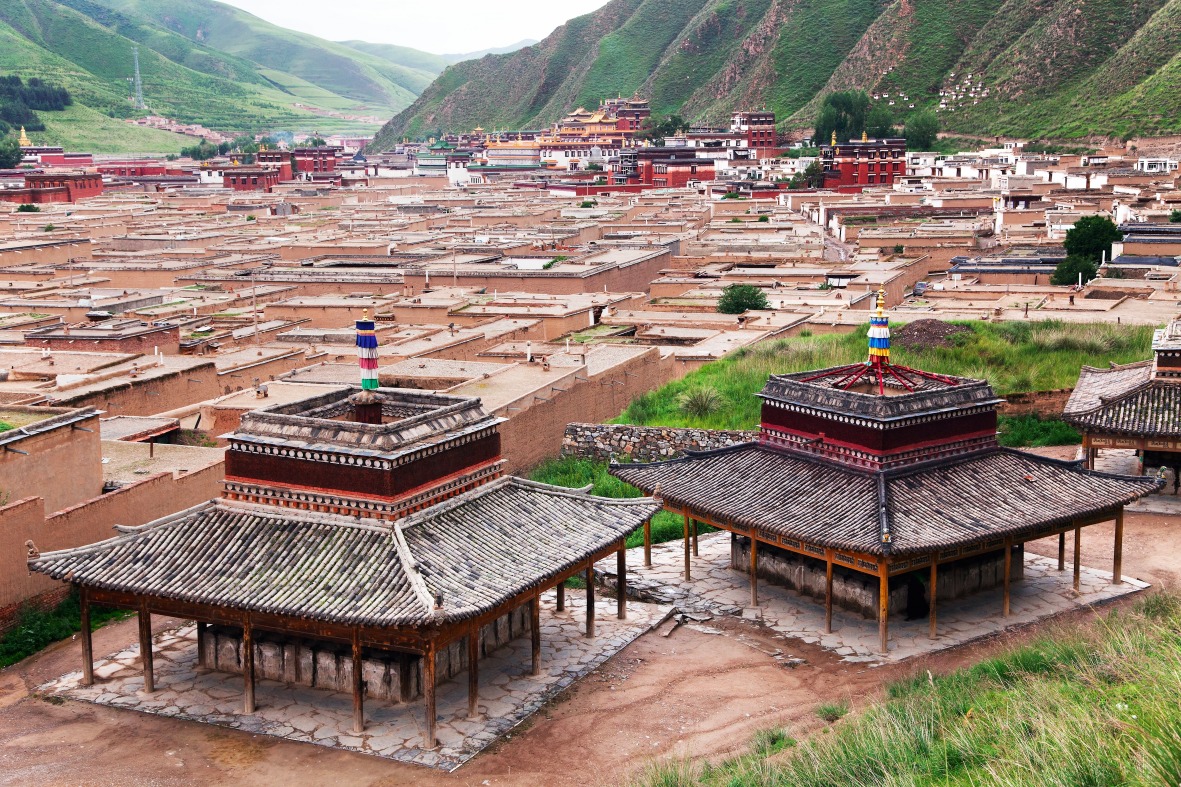
The city has maintained its deeply traditional character and local way of life despite growing tourism. Tibetan culture defines the city, and it is not uncommon to encounter Tibetan herders from the surrounding hills coming down to sell their yak butter and milk. Tibetan influence is also evident in the various monasteries scattered throughout the region. You may spot Tibetan monks in their orange and burgundy robes making their way through the streets to shop.
The rolling landscapes of the region offer pleasant trekking opportunities. Venture into the countryside dotted with stone houses, yak herds, and prayer flag-adorned stupas. Some trails lead to monasteries overlooking the city, such as the Nanwu Temple, a very active lamasery.
For a panoramic view of Kangding and the surrounding valleys, hike to the summit of Paoma Shan. Along the way, you'll encounter several temples and prayer flags.
The Tagong Monastery is equally worthwhile. It houses impressive Buddhist treasures, including the largest bronze sacred text of Guanyin in Tibet.
The region's natural wealth is reflected in its natural hot springs. You can bathe in the sulfurous waters and relax before continuing your exploration of Sichuan.
For trekking enthusiasts, venturing beyond Kangding will reveal the Mugecuo Lake, one of the highest lakes in northwestern Sichuan at 3,700 meters above sea level. A trail circles the lake, away from the crowds, allowing you to fully appreciate the breathtaking landscape that unfolds before you.
Climate
Kangding enjoys a temperate high-altitude climate with an average annual temperature of around 10°C.
The city is nonetheless influenced by monsoons, with June through September bringing heavy rainfall. Winters are cold and dry.
It is recommended to visit the region outside the monsoon season. March, April, October, and November are ideal for exploring the area.
Air
An airport opened in 2009. Located about 40 kilometers from the city, it is the world's third-highest airport, situated at an altitude of 4,280 meters.
Flights operate from Chengdu, Lhasa, Doachang, Hangzhou, and Kunming.
Bus
Buses from Chengdu and most towns in the region serve Kangding. New roads have been built and a tunnel beneath Mount Erlang has streamlined travel and significantly reduced journey times.
The city can be explored on foot. Taxis are available to transport you between points of interest.
What to do in Kangding?
- Immerse yourself in Tibetan culture at the Nanwu and Tagong monasteries.
- Take in panoramic views of the city and surrounding valleys from Paoma Mountain.
- Relax at the natural hot springs of Erdao Bridge.
- Venture beyond the city for a trek to Mugecuo Lake.
Want to discover this destination?
Our local advisors design your tailor-made trip.