Oriental Pearl Tower Tour
Oriental Pearl Tower Tour
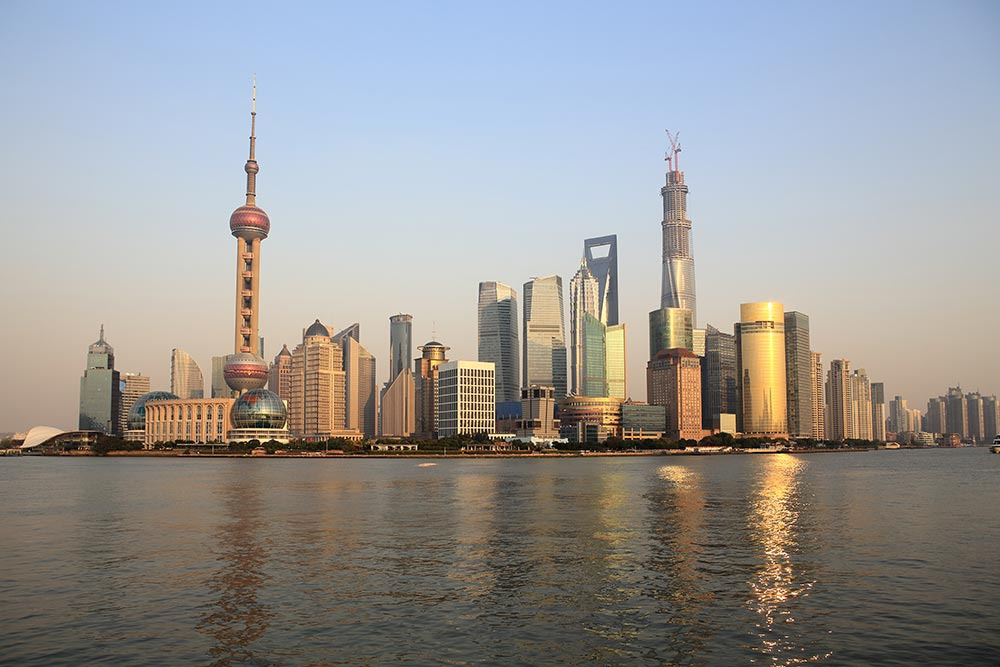
A symbol of Pudong in Shanghai, the Oriental Pearl Tower rises 468 m and offers panoramic views over the Huangpu River and the Bund.
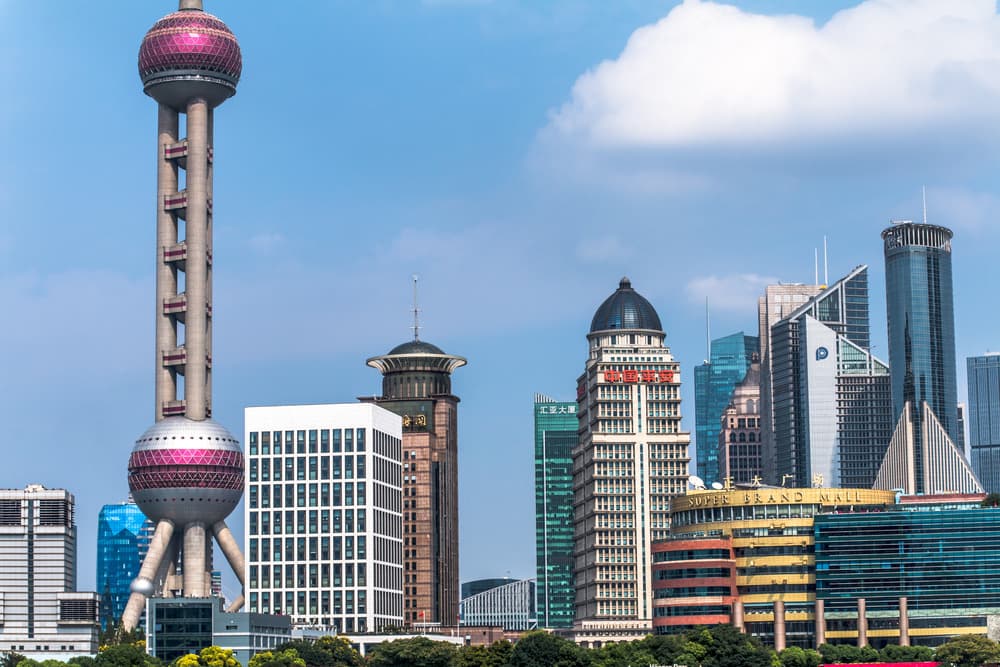
With its silhouette of spheres strung along three oblique pillars, the Oriental Pearl Tower dominates the business district of Lujiazui, in Pudong district, in Shanghai. A television transmission tower standing 468 metres high including its antenna, it welcomes around 3 million visitors each year and remains, thirty years after its inauguration, one of the most immediately recognizable visual landmarks of the Chinese metropolis.
Why visit the Oriental Pearl Tower
The tower combines three functions rarely found in a single building: television broadcasting facility, urban observation platform, and cultural venue, with a history museum installed at its base. Ascending the tower offers an opportunity to understand the transformation of Pudong, which was merely an agricultural and industrial zone in the early 1990s, yet today stands as home to some of Asia's tallest skyscrapers.
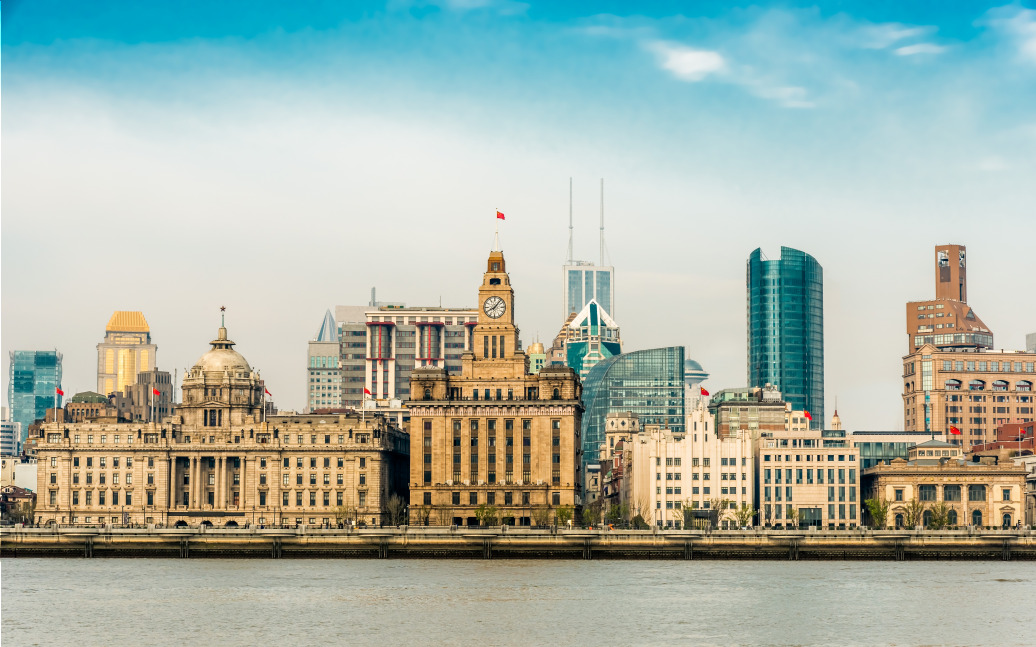
The interest is not solely architectural. From its upper spheres, the view sweeps across the Huangpu River, the historic Bund waterfront opposite, and the cluster of towers that make up Shanghai's financial centre. It is one of the most instructive vantage points for grasping the scale of the city.
History and Architecture
Designed by Chinese architect Jia Huan Cheng, the tower was constructed between 1991 and October 1994, then inaugurated on 1 May 1995. Its budget exceeded 100 million dollars, a considerable sum for China at the time. Upon completion, the building established itself as Asia's tallest television tower, a title it would retain until the mid-2000s before being surpassed by other structures.
The project was part of Pudong's development strategy, launched in 1990 to establish the east bank of the Huangpu as Shanghai's new economic hub. The Oriental Pearl quickly became its symbol, reproduced on postcards and the city's official logos.
Architecturally, the composition rests on 15 spheres of varying sizes threaded through three load-bearing pillars. The two main spheres measure 45 to 50 metres in diameter, while the third, positioned higher, is 14 metres. The entire structure is served by six high-speed elevators connecting the different levels.
What to See and Do On Site
The Spheres and Viewing Points
- Lower Main Sphere: entertainment level, featuring a dance hall and karaoke bar.
- Second Sphere: rotating restaurant offering a 360° panorama over Pudong and the Bund.
- Upper Sphere: observation terrace at more than 350 metres altitude, the highest point accessible to the public, with unobstructed views over the Huangpu River and the historic city centre.
Shanghai Municipal History Museum
Located at the tower's base, the Shanghai Municipal History Museum traces the city's evolution from the imperial period through the opening of foreign concessions and industrialisation. Reconstructed historic streets, everyday objects, and photographs: the entire collection can be explored in approximately one hour and usefully complements the sphere visit by providing the historical context that the tower alone does not convey.
Practical Information
- Location: Lujiazui, Pudong district, Shanghai.
- Duration of visit: allow 1.5 to 2.5 hours depending on which spheres you choose and whether you visit the museum.
- Admission: ticket pricing varies according to the number of spheres visited and museum inclusion. Prices and hours are regularly adjusted; it is recommended to check the official website or with your travel agency before your visit.
- Crowds: queues are frequent in late afternoon and weekends. A visit early in the morning or early evening is more comfortable.
When to Go
The tower can be visited year-round. The quality of the view, however, depends heavily on atmospheric conditions: Shanghai's sky can be laden with humidity or pollution, particularly in winter. Days following rainfall or strong winds typically offer the best visibility.
Two times stand out for panoramic views: late afternoon, which allows you to experience daylight views followed by sunset over the Bund, and night, when the LED facades of neighbouring skyscrapers illuminate. Spring (April-May) and autumn (October-November) remain the most pleasant seasons to combine a visit with a stroll through Pudong.
How to Get There
By Metro
The simplest option is to take the Metro Line 2 to Lujiazui station, then follow exit 1. The tower is visible upon exiting, just a short walk away.
By Bus
Several lines serve the Dong Fang Ming Zhu stop: buses 81, 795, 799, 870, 961, 971, 985, 993 and 996.
From the Bund
From the western bank of the Huangpu, a tourist tunnel under the river or a brief ferry ride allows you to reach Pudong directly on foot within minutes.
Nearby
- Shanghai Tower, Jin Mao Tower and Shanghai World Financial Center: the three other emblematic skyscrapers of Lujiazui, all accessible on foot.
- The Bund: historic waterfront on the opposite bank, reachable by ferry or the pedestrian tunnel.
- Lujiazui Park: green space at the tower's base, ideal for photographs from ground level.
FAQ
Frequently asked questions
The building reaches 468 metres including its transmission antenna. The upper observation terrace open to the public is located at more than 350 metres altitude.
Allow approximately 1.5 to 2.5 hours if you combine the observation spheres and the Shanghai Municipal History Museum located at the tower's base.
Late afternoon allows you to see Shanghai during daylight, at sunset and at night when illuminations turn on. Choose a clear day for the best visibility.
No. It has been surpassed by several neighbouring skyscrapers, including Shanghai Tower (632 m), but it remains one of the city's most recognizable symbols.
The quickest crossing is by ferry across the Huangpu or through the tourist tunnel. Metro Line 2 between Nanjing East Road and Lujiazui stations is also direct.
Include the Oriental Pearl Tower in Your Itinerary
The visit fits naturally into a Shanghai stay, complementing the Bund, the old city, and an excursion to the region's classical gardens. To build a tailor-made journey combining Shanghai and other destinations in the country, consult our China travel ideas.
Interested in this visit?
We can include it in your personalised itinerary.