JOKHANG TEMPLE
JOKHANG TEMPLE
At the heart of Lhasa, Jokhang Temple is the most sacred sanctuary of Tibetan Buddhism. Founded in 647 and inscribed on the UNESCO World Heritage List, it houses the venerated statue of Sakyamuni at age 12.
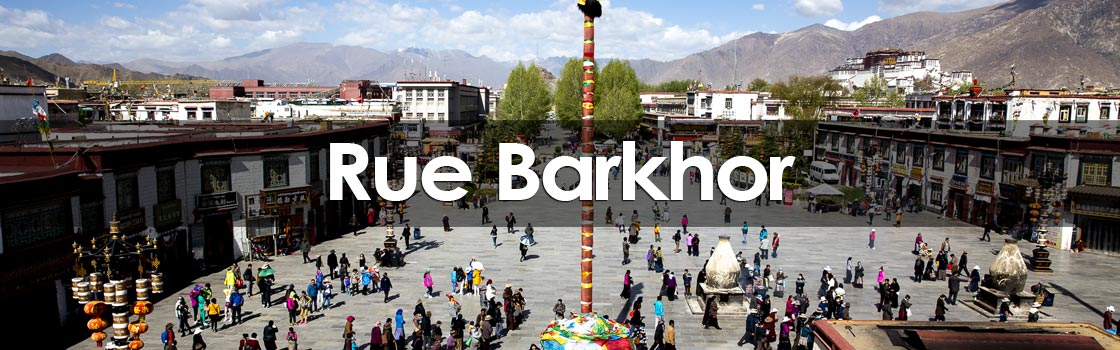
The Jokhang Temple stands at the center of the old town of Lhasa, in immediate proximity to Barkhor Street. Its name literally means "the house of the Buddha." Considered the most sacred spiritual center of Tibetan Buddhism, it has been inscribed on the UNESCO World Heritage List since 2000, as part of the historical ensemble of the Potala Palace. The temple welcomes pilgrims from all schools of Tibetan Buddhism, who prostrate themselves daily before its gates.
Why visit Jokhang Temple
Jokhang is the beating heart of Tibetan spirituality. Four main reasons justify its visit:
- A founding site: built in the 7th century, it marks the official birth of Buddhism in Tibet.
- An exceptional statue: the Jowo Sakyamuni, representing Buddha at age 12, is the most venerated sacred object in Tibet.
- Architectural syncretism: the building blends Indian, Nepali and Tang styles, a rare testimony to the cultural exchanges of the 7th century.
- A living pilgrimage atmosphere: prostrations, prayer wheels, incense smoke—the temple is not a museum but an active place of worship.
History of the temple
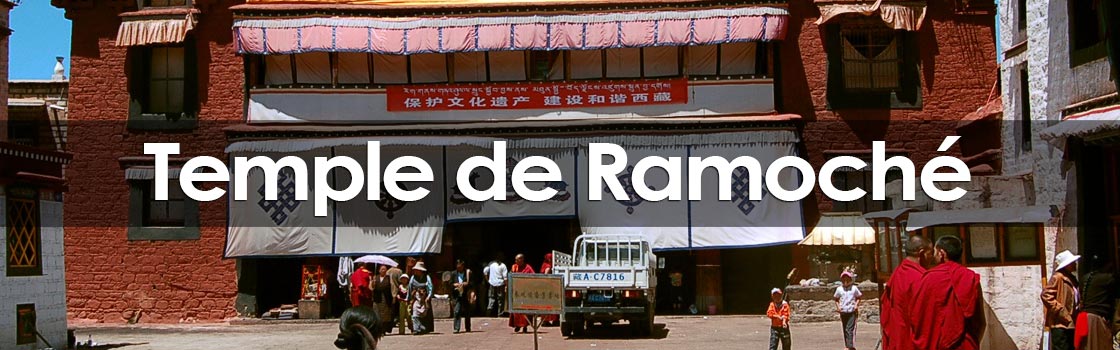
The temple was founded in 647, under the reign of Tibetan king Songtsen Gampo. According to tradition, the site was chosen by one of his wives, Princess Wencheng, niece of Emperor Taizong of the Tang Dynasty. Captivated by the beauty of the landscape surrounding Wothang Lake (sometimes spelled Wutang), she asked artisans to build the sanctuary there. Jokhang was constructed alongside Ramoche, another major temple in Lhasa also dated to the 7th century.
In 823, a stele was erected before the main gate, engraved with the Sino-Tibetan peace treaty signed a year earlier, in 822. The monument, nearly three meters tall, remains visible today.
The temple was renovated several times under the Yuan, Ming and Qing dynasties. During the Cultural Revolution, the buildings were diverted from their religious use: they successively served as military barracks, a slaughterhouse and a hotel, before being restored at the end of the 20th century.
What to see
The entrance and courtyard
The architecture draws inspiration from the Indian vihara while incorporating Nepali and Tang Chinese elements. The complex covers an area of 25,100 m². The main gate faces West, in homage to Princess Wencheng who came from China. Murals on either side of the entrance trace her journey to Lhasa and her wedding ceremony. Inside the porch, a weeping willow is said to have been planted by the princess's own hand. The Sino-Tibetan peace stele also stands before the entrance.
A red lacquered wooden door opens onto the large open-air courtyard. At its center stands the Dalai Lama's throne. Two side doors provide access to the Nangkhor, an interior corridor lined with prayer wheels that pilgrims turn as they circumambulate.
The chapels and statues
The centerpiece of the temple is the life-size statue of Sakyamuni, depicted at age 12. Gilded and adorned with finely arranged jewels, it is the most venerated in Tibetan Buddhism. The central hall also houses monumental statues of Padmasambhava, Maitreya and Avalokiteshvara.
All around, lateral chapels are dedicated to Tsongkhapa, Avalokiteshvara, Maitreya, Amitabha, Sakyamuni, Amitayus (Buddha of longevity), the Buddhas of medicine, as well as three historical kings of Tibet: Trisong Detsen, Songtsen Gampo and Ralpachen.
On the upper floor, a chapel is consecrated to Palden Lhamo, the protective deity of Tibet. The higher levels still house monks today, whom you may encounter on the grand terrace in late afternoon.
The golden roof
From the roof, the view sweeps across Barkhor Square and the Potala Palace in the distance. The roof, entirely gilded, is adorned with sculptures of birds, animals, bells and other Buddhist symbols.
Practical information
- Visit duration: plan 1.5 to 2 hours to explore the chapels, courtyard and roof.
- Admission: paid entry at a moderate rate for major Lhasa sites. Payable on-site.
- Opening hours: open in the morning and afternoon, with a midday closure. Verify current hours with your agency or hotel, as they vary by season and religious events.
- Permit: visiting Tibet requires a special permit (Tibet Travel Permit), to be arranged through an authorized agency.
- Tip: visit early in the morning to observe pilgrims in prostration, a powerful moment of the experience.
When to visit
The most favorable season to visit Lhasa extends from April to October, when the climate is milder and roads are passable. The altitude (3,650 m) requires 24 to 48 hours of acclimatization before your visit.
For a more intense experience, the Tibetan New Year (Losar, usually in February or March) marks the beginning of the Prayer Festival (Monlam), a tradition established by the Fifth Dalai Lama. The temple is then the scene of major ceremonies, but crowds are considerable and lodging in Lhasa books up well in advance.
What to see nearby
- Barkhor Street: a pilgrimage circuit encircling Jokhang, lined with traditional shops. Directly accessible from the temple.
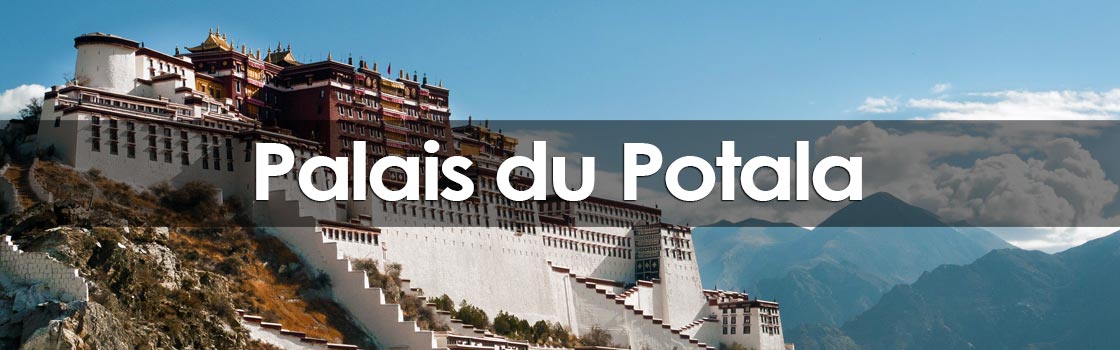
- Potala Palace: former residence of the Dalai Lamas, about 1.5 km away.
- Gyantse Dzong: historic fortress, to be incorporated into a broader itinerary in southern Tibet.
How to get there
Jokhang is located in the heart of the old town. Most visitors reach it on foot from their hotel or after a stroll through Barkhor Street. Public buses and minibuses serve the area's edges at very low cost. Taxis are also available from any point in Lhasa.
From outside Tibet, Lhasa is reached by plane (flights from Chengdu, Beijing, Xi'an) or by the Qinghai-Tibet train, whose scenic route is among the most spectacular in Asia.
Frequently asked questions
Frequently asked questions
Plan your trip
Jokhang ranks among the essential visits on a Lhasa stay, to be integrated into a broader itinerary covering Potala, Barkhor and nearby monasteries. To build a customized trip to Tibet and China, consult our China tours.
Nearby
Interested in this visit?
We can include it in your personalised itinerary.