Five Springs Park
Five Springs Park
Wuquan Gongyuan, at the foot of Mount Gaolan in Lanzhou, brings together five legendary springs, Qing temples and 266,400 m² of heritage walks.
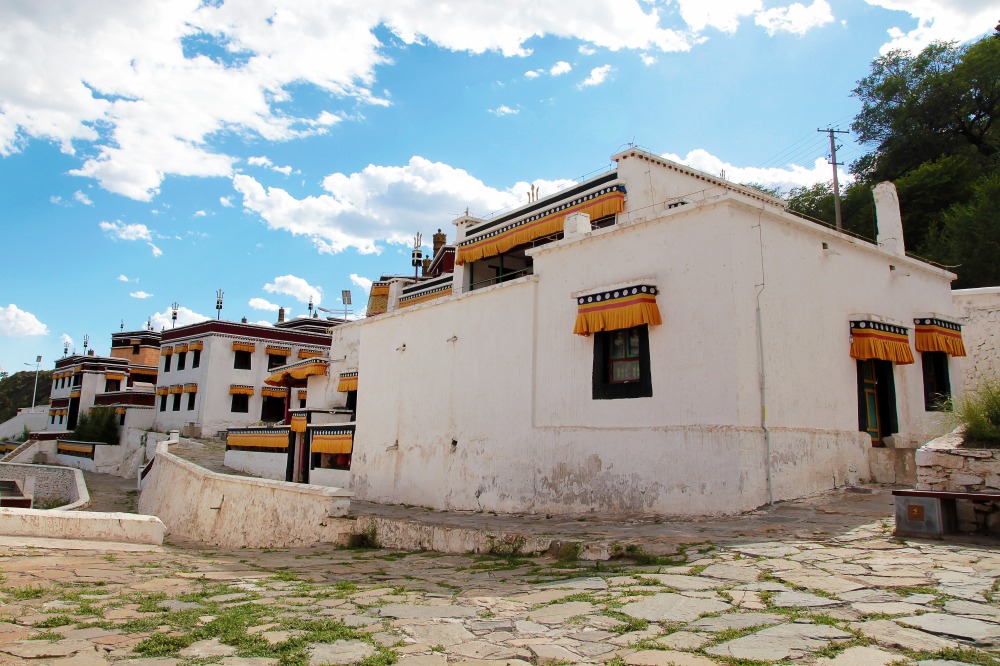
The Five Springs Park, or Wuquan Gongyuan in Chinese, extends at the northwestern foot of Mount Gaolan, south of Lanzhou, in Gansu Province. It combines five natural springs, a complex of Buddhist temples dating largely from the Qing dynasty, and landscaped areas spread across 266,400 m². More than two thousand years of history and legend give it a dimension that is at once religious, military, and cultural.
Why visit Five Springs Park
The site holds a special place in Lanzhou for three reasons. First, it preserves the memory of a celebrated military legend—that of General Han Huo Qubing and the springs that gushed forth beneath his whip. Second, it gathers half a dozen Buddhist religious structures within a single perimeter, making it one of the city's concentrations of heritage. Finally, its dense vegetation and uneven terrain make it a breathing space beloved by residents, just minutes from the city center.
- Five named springs, each charged with distinct symbolism
- Several Qing temples: Wenchang, Golden Buddha, Mani, Thousand Buddhas
- Temple Fair in May and lantern displays during spring festival
- Easy access from central Lanzhou
History and legend of the five springs
The park's history reaches back more than 2,000 years. During the Han dynasty, General Huo Qubing was sent by the emperor to repel Xiongnu (Hun) incursions at the northern border. Tradition tells that upon arriving at the foot of Mount Gaolan, his troops were exhausted and parched. He is said to have struck the ground five times with his whip, causing five springs to burst forth and quench the army's thirst. These springs later sustained the region's inhabitants for centuries.
Over the course of dynasties, the site gradually accumulated religious structures, particularly during the Qing period, from which most of the temples still visible today date. The place was officially designated a natural park in 1955, then developed as a public promenade.
What to see in the park
Middle Peak and topography
The park is organized around the Middle Peak, which rises to around 1,600 meters and serves as a central landmark. Three springs—Juyue, Moji, and Ganlu—are found in its summit area, while the other two, Meng and Hui, are tiered at its base. Stone staircases and covered galleries link the different levels and allow circulation between temples.
The five springs and their symbolism
- Juyue Spring: the most renowned of the five. Its well-like form and setting earned it a reputation for particular virtues in local accounts.
- Moji Spring (Mozi): its name evokes the gesture of touching stone to sense a child's sex before birth. It adjoins the Dizang temple, which houses a Buddha of fertility and childbirth.
- Ganlu Spring: the term means "providential rain" or "sweet dew." Legend links its appearance to prayers addressed to the harvest god by former officials. It is associated with the Mani temple.
- Meng Spring: its water was traditionally used to prepare Meng tea, a name evoking Mount Meng in Sichuan, famous for tea cultivation.
- Hui Spring: long used for water supply to surrounding residents.
Temples and pavilions
The park houses a cohesive ensemble of religious structures, chiefly Buddhist:
- Wenchang Temple, dedicated to the god of literature
- Golden Buddha Temple and Mahavira Hall
- Wanyuan Pavilion and Butterfly Pavilion
- Thousand Buddhas Temple
- Dizang and Mani Temples, linked to Moji and Ganlu springs
The route is accompanied by teahouses, exhibition halls, and pools, making it both a promenade and a heritage visiting experience.
When to visit the park
The park is open year-round, but two periods concentrate local activity:
- May: the Temple Fair celebrates Buddha's birthday with cultural activities, flower exhibitions, and events tied to local customs.
- Spring Festival (January–February by lunar calendar): the park hosts a colorful lantern display that draws large crowds.
For a quieter visit, spring (April–May) and autumn (September–October) offer mild weather and favorable vegetation. In winter, Lanzhou is cold and dry.
Practical information
- Duration of visit: allow 2 to 3 hours to explore the springs, Middle Peak, and main temples.
- Admission: modest entrance fee, payable on-site.
- Hours: daytime opening, typically morning through late afternoon. Check locally before you go.
- What to bring: sturdy shoes (stairs and elevation), water, and modest clothing to enter temples.
How to get there
The park lies south of Lanzhou, against the northwestern flank of Mount Gaolan. From the city center, several local bus lines serve the park entrance—line 8 is traditionally cited as direct access, though service evolves. A taxi or rideshare from the station or downtown remains the simplest option. Expect ten to twenty minutes depending on traffic.
What to see in the region
Five Springs Park pairs well with other sites accessible from Lanzhou or more broadly across northwestern Chine:
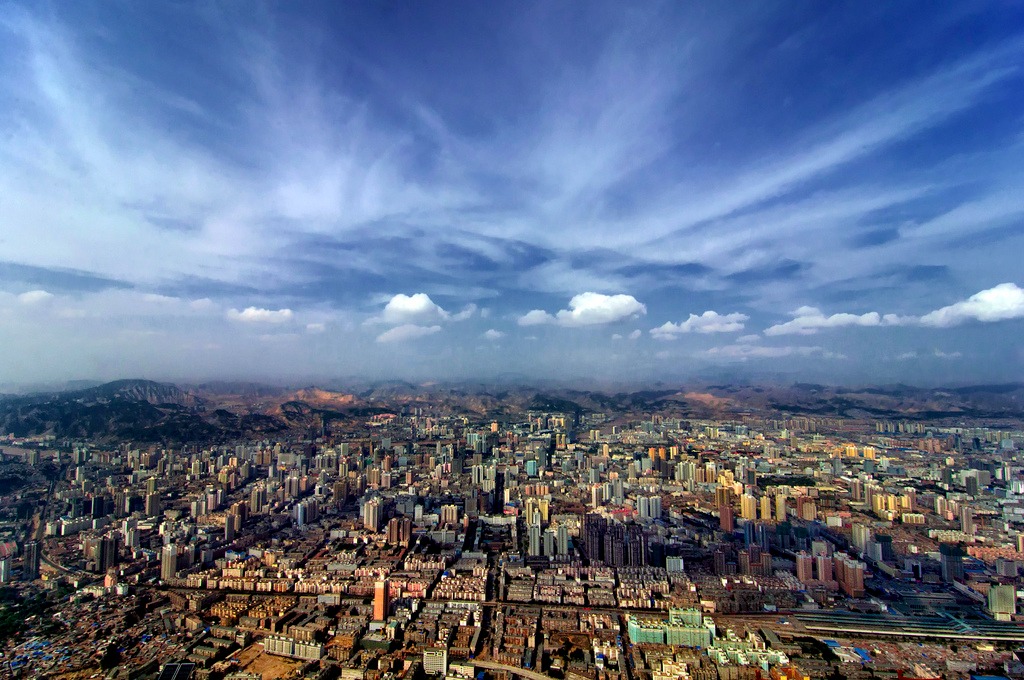
- Lanzhou, a major stopping point on the Yellow River and gateway to the Silk Road
- Bezeklik Thousand Buddhas Caves, another premier site of Chinese Buddhism
- Great Wild Goose Pagoda, in Xi'an
- Hexigten Geopark for landscape enthusiasts
Frequently asked questions
Frequently asked questions
On the northwestern side of Mount Gaolan, south of Lanzhou, in Gansu Province. Its Chinese name is Wuquan Gongyuan.
According to legend, General Huo Qubing, under the Han dynasty, caused five springs to burst forth by striking the ground five times with his whip to quench his troops' thirst. They bear the names Juyue, Moji, Ganlu, Meng, and Hui.
Allow 2 to 3 hours to tour the springs, climb to Middle Peak, and visit the main temples.
May for the Temple Fair, Chinese New Year for lantern displays, or simply spring and autumn for pleasant weather.
Yes, though the site has many staircases and uneven terrain. It suits children able to walk well, less so for strollers.
Include this site in your trip
Five Springs Park fits naturally into a stop in Lanzhou, on the route connecting Xi'an to the northwestern oases. To build a tailored itinerary, consult our Chine travel.
Interested in this visit?
We can include it in your personalised itinerary.