Langmusi
Langmusi
On the borders of Gansu, Sichuan and Qinghai, Langmusi preserves an authentic Tibet: two rival monasteries, high-altitude grasslands and living Amdo culture.
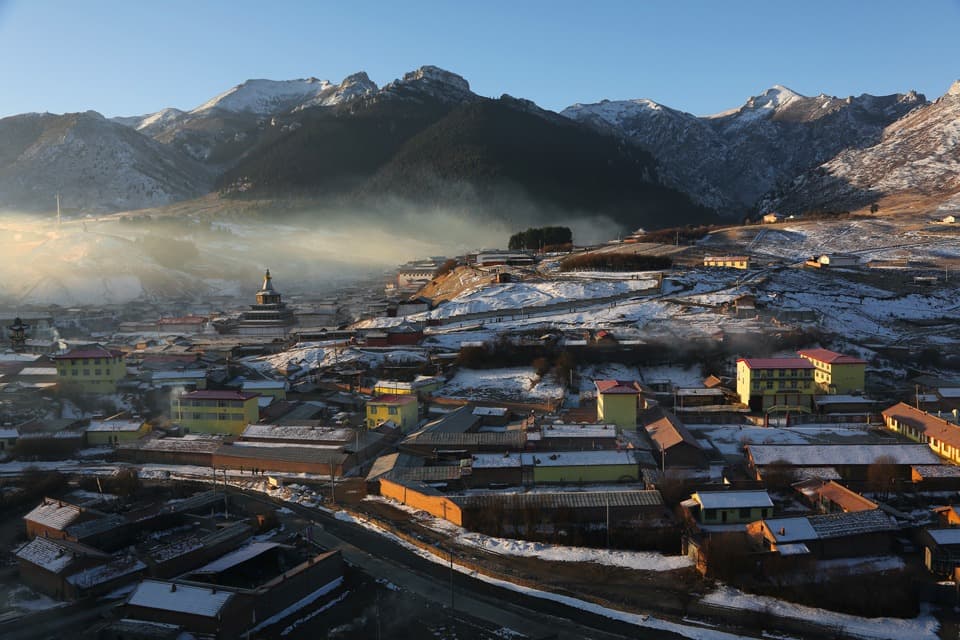
Langmusi is a charming little traditional Tibetan village nestled at the intersection of the borders between Gansu, Sichuan and Qinghai. Predominantly inhabited by Tibetan people, this sleepy village sits between magnificent lush forests, snow-capped peaks and grasslands clinging to cliffsides.
History
Legend has it that the provincial border between Sichuan and Gansu runs through Langmusi as a result of power struggles between the two Tibetan monasteries (Kerti Monastery in Sichuan and Sertri Monastery in Gansu).
The village underwent renovations in 2008 to accommodate growing numbers of visitors.
Today
This small Langmusi village cradled within breathtaking landscapes is home to a vibrant mix of Han Chinese, Hui Muslim and Tibetan communities. As the village attracts increasing numbers of visitors drawn to its expansive surrounding grasslands, the cultural diversity and serene atmosphere captivate all who arrive here.
Gompas (Tibetan monasteries) and mosques coexist in mutual respect for one another's faith, each community preserving its traditions and creating a beautiful cultural tapestry.
A trekker's paradise, Langmusi increasingly appeals to hiking enthusiasts. The village serves as an ideal starting point for trekking on foot or horseback through spectacular landscapes. At the village entrance, Red Rock Mountain evokes the dramatic red rock formations of the American Southwest.
The source of the White Dragon River deserves an excursion. The river itself divides the village in two and forms an almost natural boundary between Sichuan and Gansu.
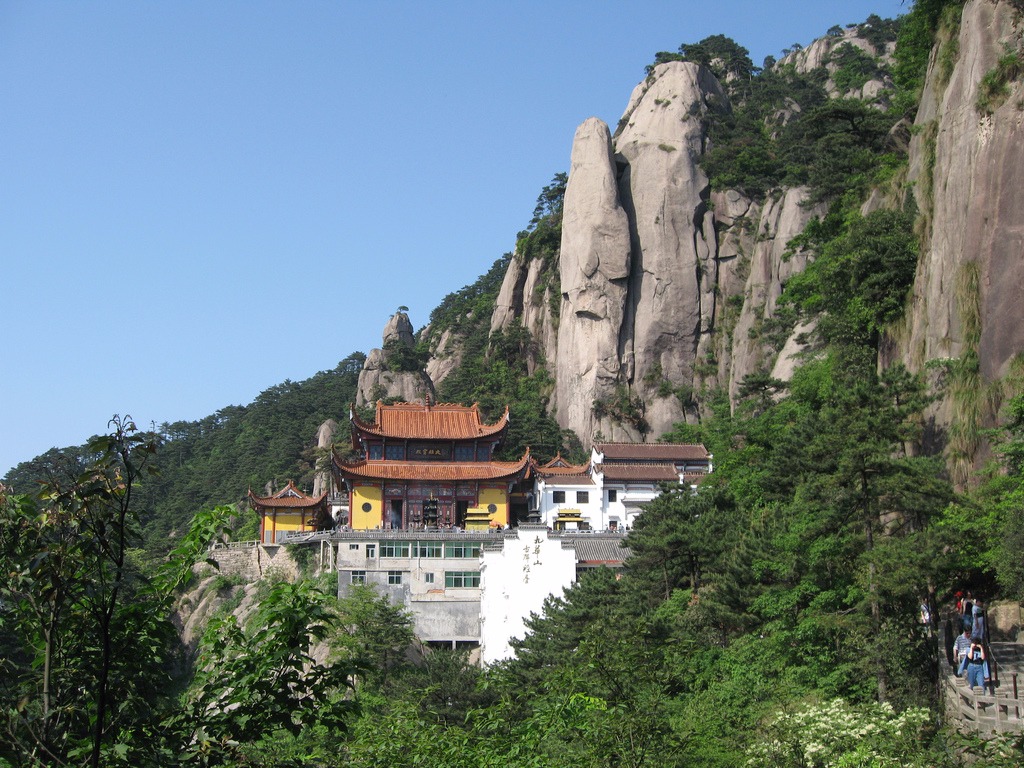
On one side stands the grand Kerti Monastery, home to nearly 700 monks, while on the other lies the Sertri Gompa perched high in the mountains. A little further away rises the Hui Mosque in the Qinghai section.
With some luck, you may witness traditional ceremonies, notably the sky burial ritual.
Tourist development increasingly reaches this small village, yet it has not diminished the tranquility and beauty of this place.
When to Visit?
The best time to visit Langmusi is during summer, between June and September. Temperatures are pleasant, though pack rain gear and warm clothing for cool nights.
A single daily bus departs from Xiahe, traveling directly to Langmusi. The bus leaves around 7 a.m. from Xiahe bus station.
From Hezuo, several daily buses connect to Langmusi between 7 a.m. and noon. The journey takes only 3 hours.
Direct buses also run from Zoige in northern Sichuan.
You can explore the village and visit the temples on foot or rent a bicycle.
You may also embark on a horseback ride.
What to Do in Langmusi?
- Cross the border into Sichuan and visit Kerti Monastery, then venture further to discover the gorge and its sacred caves.
- Visit the Sertri Gompa on the Gansu side.
- Follow the White Dragon River upstream to its source.
- Trek on foot or horseback through the surrounding grasslands, forests and mountains.
- Witness a traditional Tibetan sky burial ceremony.
Want to discover this destination?
Our local advisors design your tailor-made trip.