Lanzhou
Lanzhou
A major stopover on the Silk Road along the Yellow River, Lanzhou blends Hui culture, Buddhist art, and hand-pulled noodles. Here's why you should pause here.
Name: Lanzhou
Chinese name: 兰州
Province: Gansu
Status: Prefectural city
Population: 3,140,000 inhabitants
Area: 13,100 km²
Lanzhou is the capital of the Gansu province. Strategically located on the Silk Road trade route at the entrance to the Hexi Corridor, Lanzhou is more of a transit hub than a tourist destination.
History
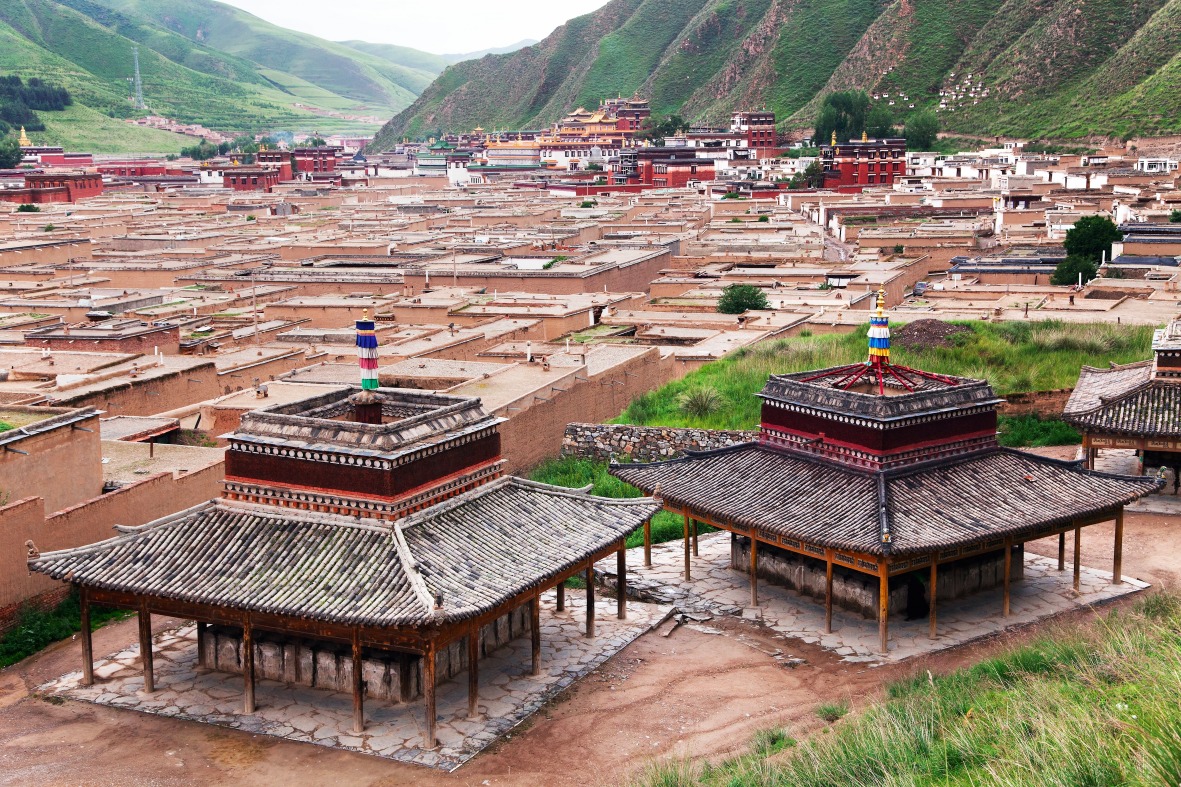
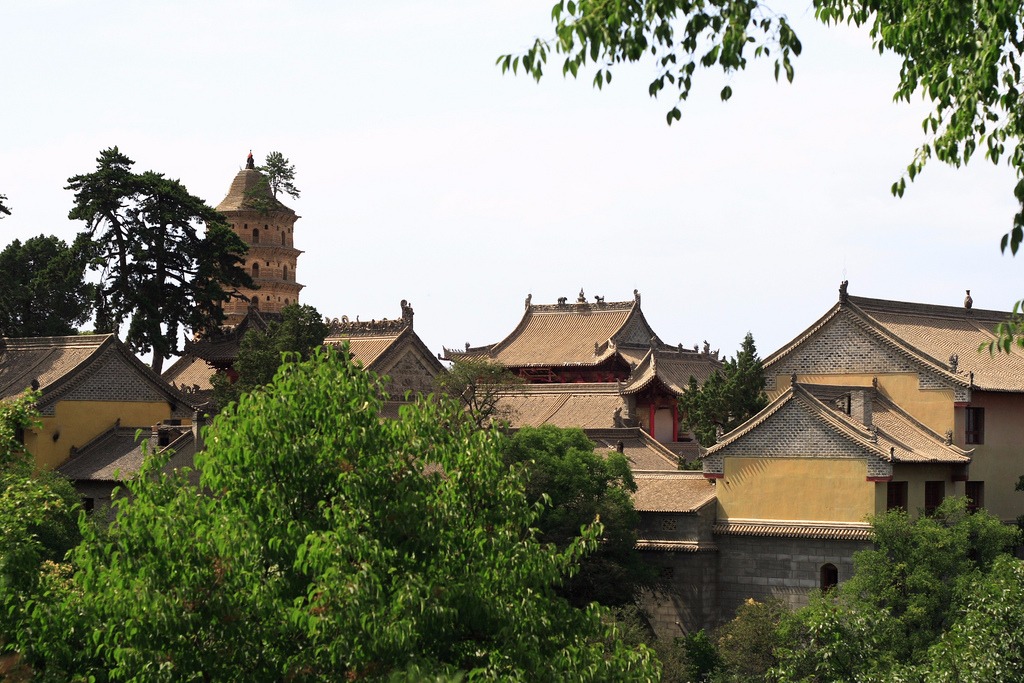
The city of Lanzhou was founded over two thousand years ago during the Han dynasty. Its history is closely intertwined with that of the Silk Road. Situated on the Silk Road and traversed by the Yellow River, Lanzhou was an obligatory passage for merchants. Buddhism was the dominant religion around 100 CE, and numerous Buddhist relics and sites were built, such as the Zhangye Giant Buddha Temple and Bingling Temple with its caves.
Western influence also appeared on certain ancient sites. Later, around 700 CE, Arabs invaded Central Asia, and Islam quickly replaced Buddhism, which had been the predominant religion. Despite Mongol invasions, the arrival of the Yuan dynasty (1279–1368) in Chine brought Muslims from Persia and Central Asia to Chine, and many Mongols converted.
Today
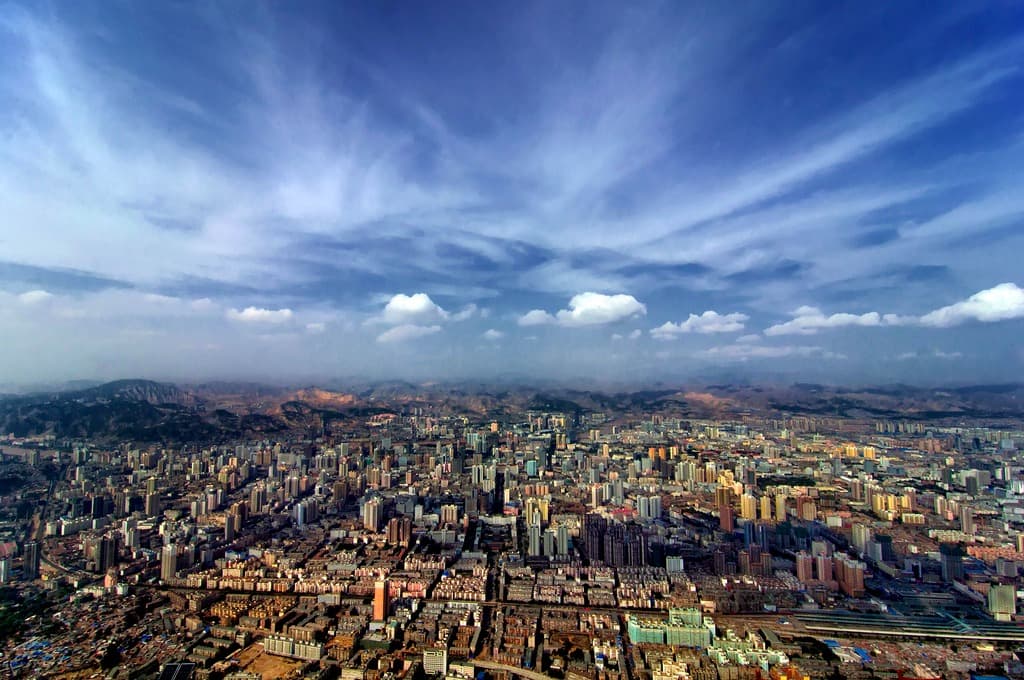
Lanzhou is a high-altitude city situated at 1,600 meters. Surrounded by mountains, the city is shaped like a basin and extends more in length than in width. Its geographical position on the Yellow River and the Silk Road enabled it to develop rapidly—perhaps too rapidly—earning it the reputation of being the world's most polluted city in the 1990s. Today, Lanzhou is a large modern city and serves as an important departure point for exploring the region or traveling to neighboring provinces such as Sichuan, Xinjiang, or Tibet by land.
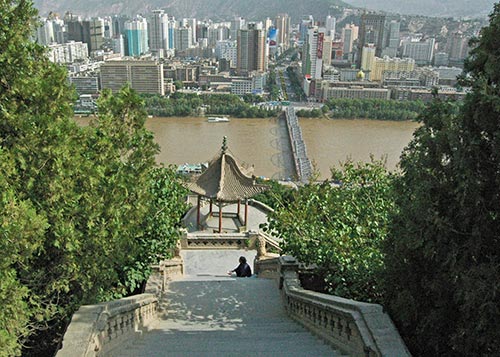
While the city doesn't offer major tourist attractions, you can discover some Buddhist ruins and the heritage of centuries of travel along the Silk Road with Bingling Temple (the cave of a thousand Buddhas).
Climate
Located inland, Lanzhou has a temperate semi-arid climate with cold, dry winters; mixed springs; short, rainy, cool summers; and cold autumns. Winter temperatures can reach –10°C, while summer temperatures rarely exceed 29°C, averaging 22°C. In summer, pack rain gear and warm clothing for the evenings, as temperatures can drop significantly. For winter, bring very warm clothing.
Lanzhou is a railway and highway hub, making it easy to connect the city with neighboring provinces.
Air
Lanzhou has an airport located 70 km from the city center. The airport connects Lanzhou to numerous Chine cities, including Hong Kong and Taipei.
Train
Well served by railway lines, Lanzhou is notably situated on the line connecting Beijing to Lhassa. Lanzhou can also be reached from Beijing, Shanghai, or Baotou. Sleeper trains and express trains are available daily.
Long-distance bus
Lanzhou has at least 4 bus stations. They all provide connections to Xining. The main long-distance bus station and the South bus station are the most used for departures and arrivals of long-distance buses from Beijing, Xi'an, or other cities in neighboring provinces.
There are bus lines that allow you to reach the airport or stations easily and inexpensively. Taxis also operate throughout the city at very reasonable rates. Always remember to request the meter.
What to do in Lanzhou?
- Learn about the Silk Road and Gansu at the Gansu Province Museum.
- Walk through Lanshan Park and climb to the White Pagoda to enjoy a panoramic view of the city.
- Discover Bingling Temple, made up of a series of Buddhist caves.
- Walk across the famous Zhongshan Iron Bridge to reach the White Pagoda Hill.
Photos
Attractions in Lanzhou
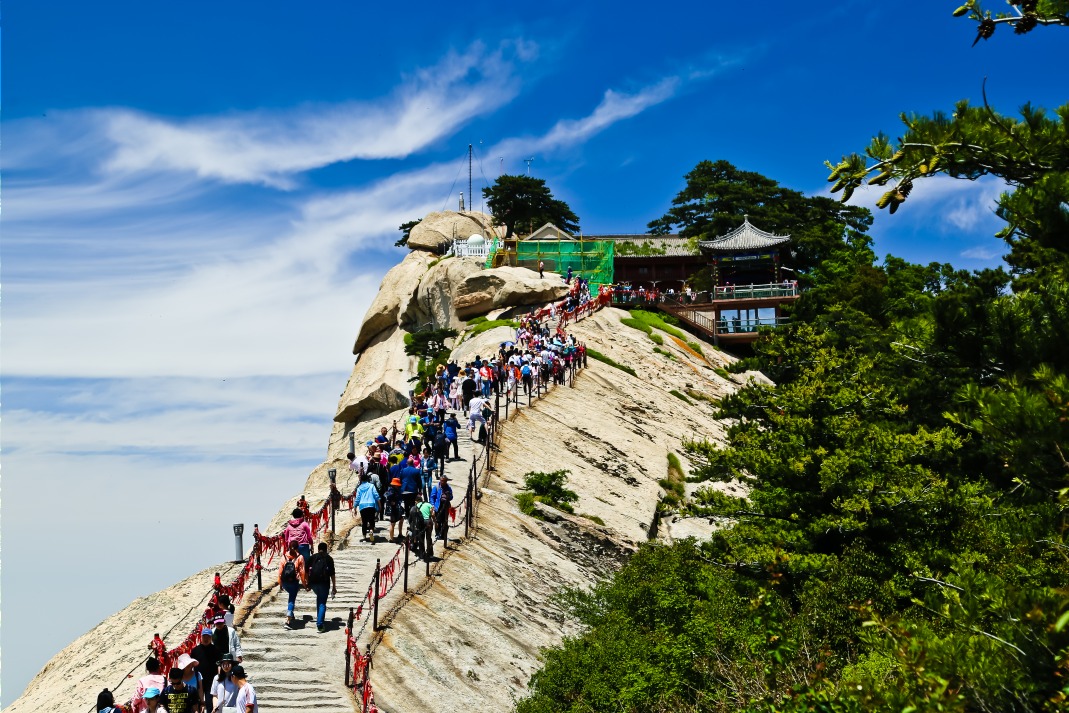
Parc des cinq sources
Wuquan Gongyuan, au pied du mont Gaolan à Lanzhou, réunit cinq sources légendaires, des temples Qing et 266 400 m² de promenades patrimoniales.
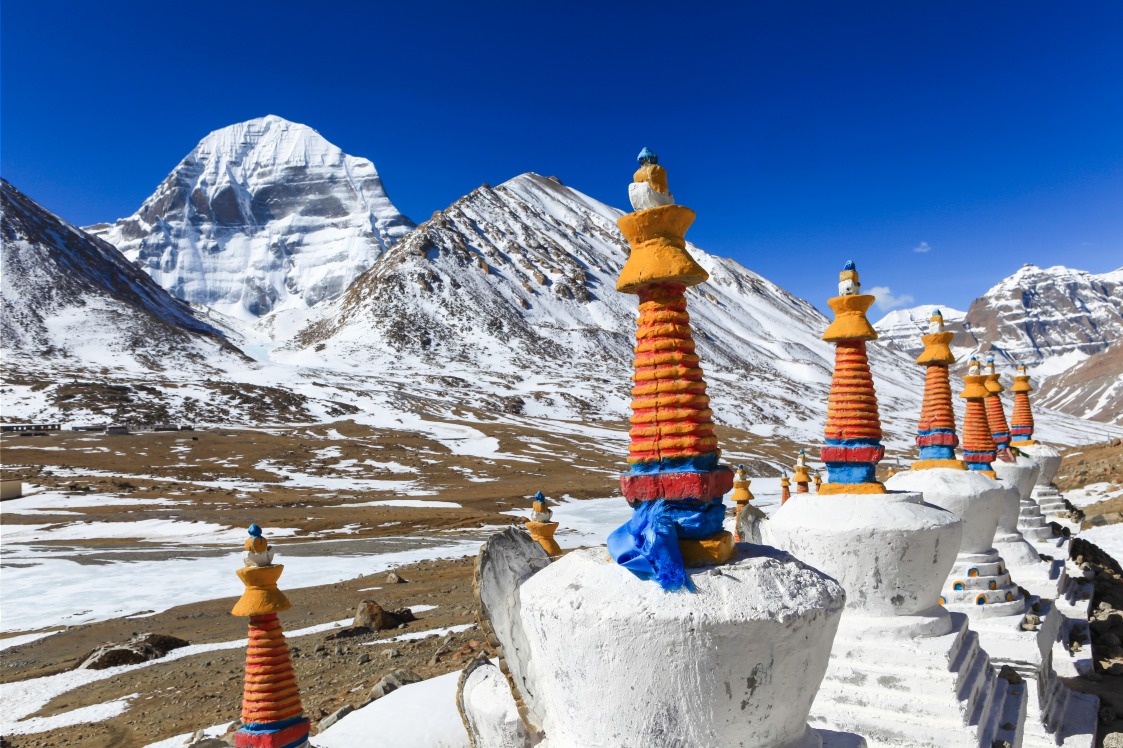
Colline de la Pagode blanche
Sur la rive nord du fleuve Jaune face à Lanzhou, la colline de la Pagode blanche réunit une pagode octogonale du XVIIIe siècle, trois temples et un belvédère sur la ville.
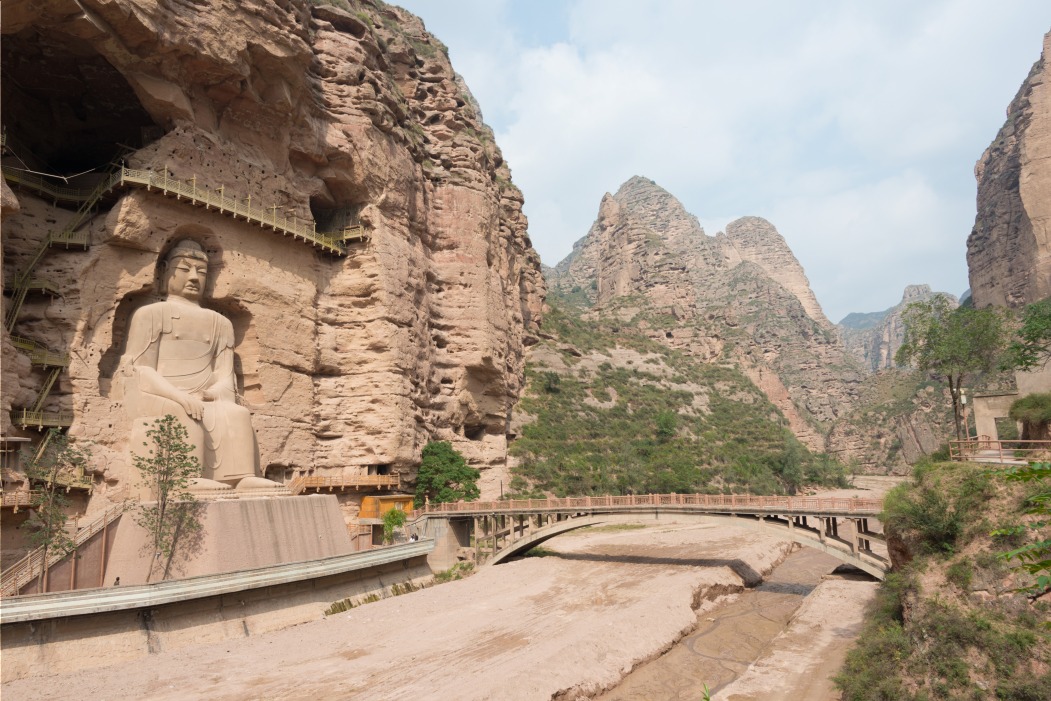
Grottes aux Bouddhas et temple de Binlingsi
À 35 km de Lanzhou, les grottes de Binglingsi rassemblent 183 sanctuaires bouddhiques creusés dans la falaise, accessibles en bateau sur le fleuve Jaune. Site UNESCO depuis 2014.
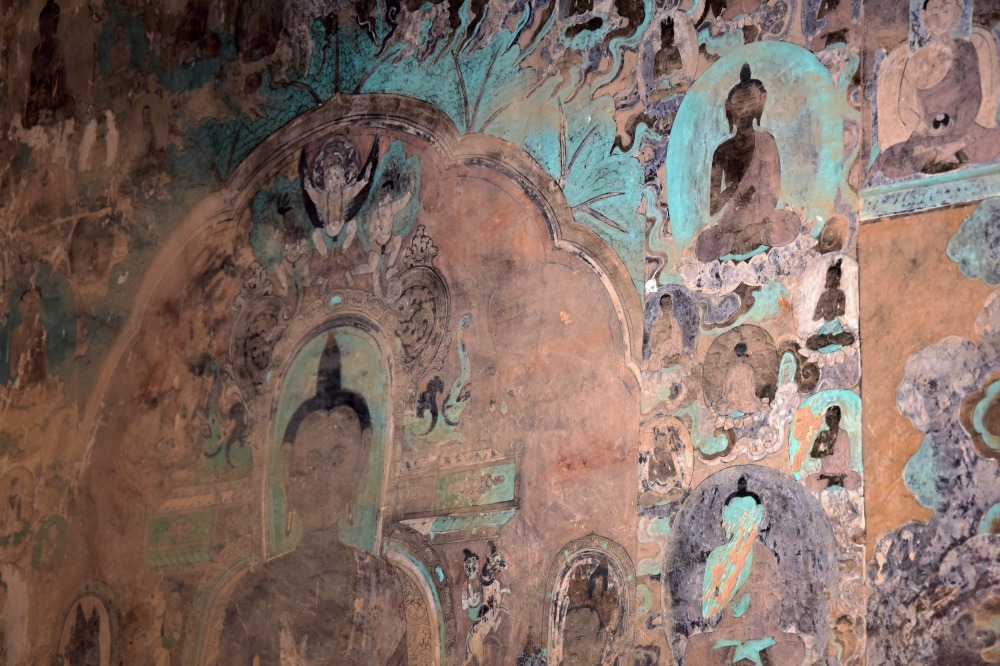
Musée provincial du Gansu
À Lanzhou, le Musée provincial du Gansu rassemble bronzes Han, poteries néolithiques et fossiles, l'une des grandes collections liées à la Route de la Soie.
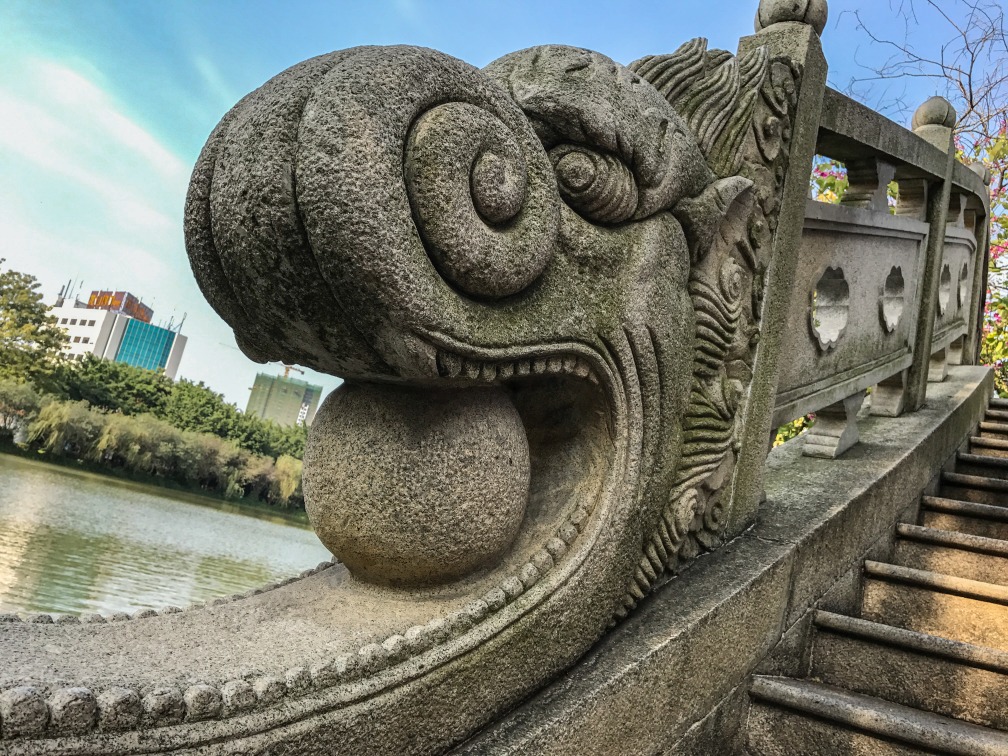
Le pont de fer Zhongshan
Premier pont métallique construit sur le fleuve Jaune, le pont Zhongshan est l'un des symboles de Lanzhou. Histoire Qing, architecture et conseils de visite.
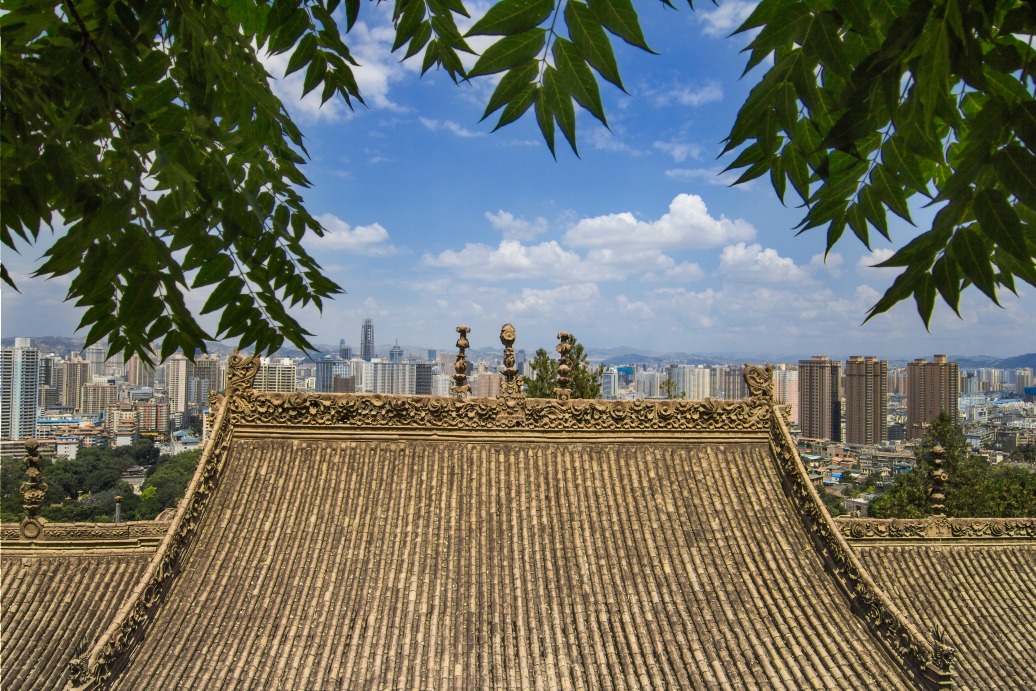
Parc Lanshan
Premier parc forestier artificiel de Lanzhou, le parc Lanshan offre depuis la crête de Gaolan une vue sur la rivière Jaune et un réseau de pavillons traditionnels.
Want to discover this destination?
Our local advisors design your tailor-made trip.