Ming Dynasty Royal Mausoleum of Fengyang
Ming Dynasty Royal Mausoleum of Fengyang
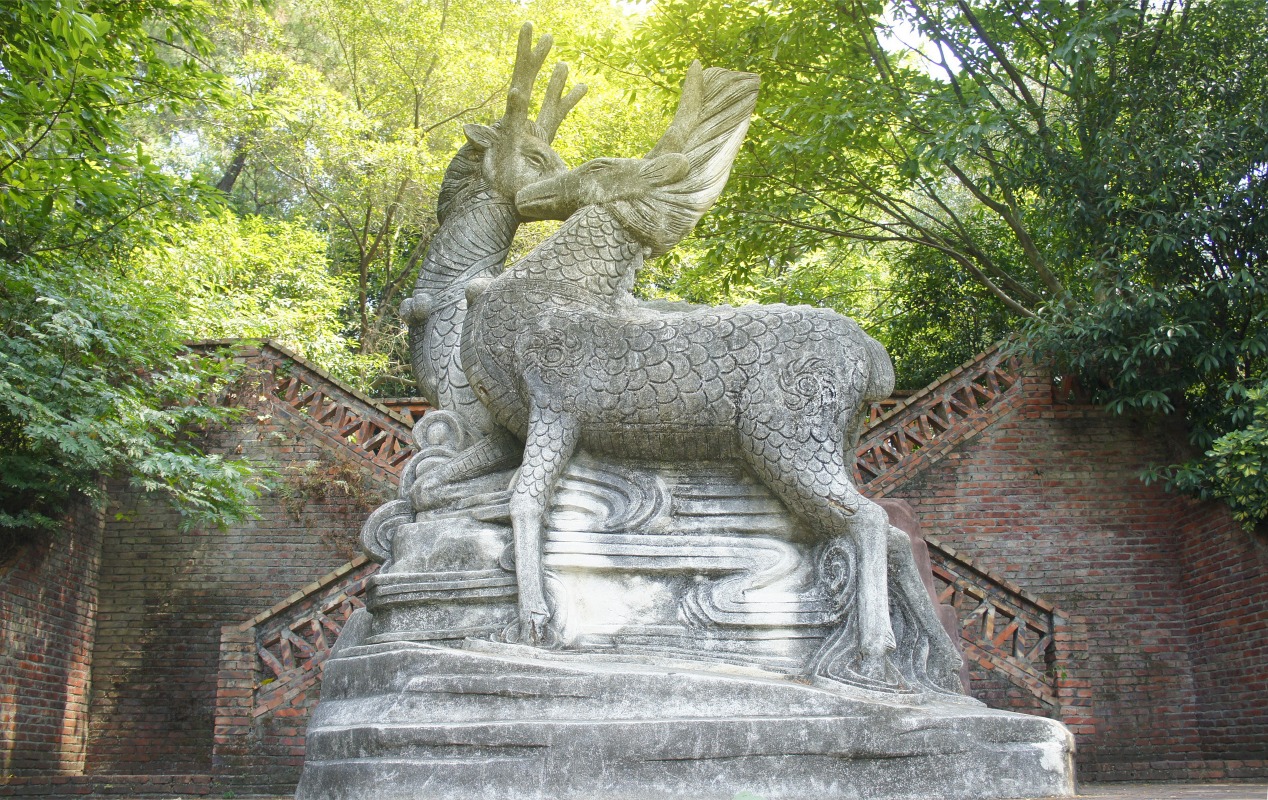
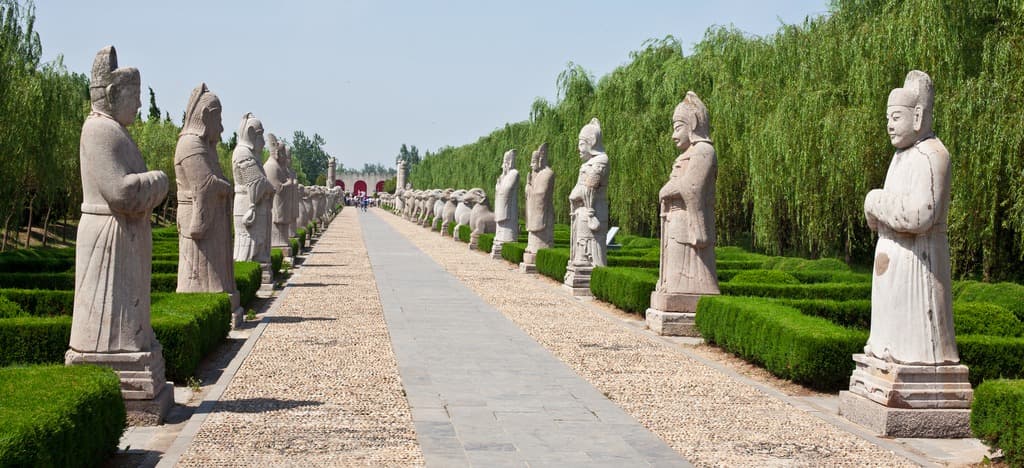
In the heart of Anhui, the Ming mausoleum of Fengyang houses the parents of Emperor Hongwu and inspired all the imperial tombs of the dynasty.
The Mausoleum of Genghis Khan stands as the largest historical monument erected in memory of Genghis Khan. Located in a mountainous region in northern Chine, the mausoleum lies in Ejin Horo Banner near Ordos in Inner Mongolia.
This site ranks among the most visited destinations in Inner Mongolia, attracting nearly 10,000 visitors daily during holiday periods when rituals honoring the founder of the Mongol empire take place.
History
Originally comprising eight grand white yurts, the Mausoleum of Genghis Khan was created by Ögedei to pay tribute to his father Genghis Khan. Since the Qing Dynasty, the mausoleum has been relocated numerous times.
To prevent frequent displacement of the structure, the Chinese government decided in 1956 to construct a new mausoleum with four white yurts.
As an important historical figure of Mongolia, Genghis Khan was honored and revered by local peoples. Numerous traditional rituals were organized annually at the palace for worshippers and also for Mongol nobility who came to pay homage to Genghis Khan.
Dubbed the "universal ruler," Genghis Khan (1162–1227) was the unifier of Mongol tribes and the founding father of the great Mongol empire. Passing away at age 66, the location of Genghis Khan's true tomb has been the subject of numerous theories and enigmatic legends. To this day, the exact location of his tomb remains unknown. Countless legends and tales connected to this mystery continue to fuel and intensify the degree of mystique surrounding it.
Today, the mausoleum has become a place of reverence for Mongols and Chine nationals descended from Genghis Khan.
Visiting the Mausoleum
Spanning an area of more than 225 km², the Mausoleum of Genghis Khan comprises four magnificent buildings in traditional Mongol architectural style. A visit to these monuments allows you to trace the history of the unification of Mongol tribes. They display sculptures, coffins, and personal artifacts belonging to Genghis Khan and his family.
In an effort to preserve traditions, the three palaces resemble grand yurts with their white walls and rounded roofs. Adorned with colored tiles, the roofs truly showcase the beauty of the site.
The main palace, rising at the center with a height of 26 meters, houses an imposing white marble sculpture representing the great Genghis Khan on horseback. The statue stands 6.6 meters tall in honor of the 66 years of life of the founder of the Mongol empire.
The two other palaces were erected as tributes to the wife and concubines of Genghis Khan. They house their tombs as well as numerous historical relics belonging to the imperial family.
Each section is connected by a broad avenue paved with white stones, displaying on its walls countless frescoes dating from Genghis Khan's empire as well as magnificent murals depicting the stages of the empire's formation.
During ceremonies dedicated to Genghis Khan, pilgrims sing praises and perform animal sacrifices to honor the founding father. After the rituals, festivities are accompanied by traditional sporting activities. By attending these rituals, you will be able to participate in the celebrations and experience an unforgettable moment alongside locals.
The Genghis Khan Mausoleum is easily accessible from the city of Ordos. Take a long-distance bus from Baotou or Hohhot to Ordos, then take a local bus or taxi that will bring you to the mausoleum.
Hours and Admission
The Genghis Khan Mausoleum is open to the public daily from 8:00 AM to 6:00 PM.
Admission costs 110 RMB.
Want to discover this destination?
Our local advisors design your tailor-made trip.