Qiqihar
Qiqihar
Gateway to the Zhalong bird sanctuary, Qiqihar reveals another facet of Northeast Chine, where Manchurian heritage meets pristine wetlands.
Name: Qiqihar
Chinese name: 齐齐哈尔市
Province: Heilongjiang
Status: Prefecture-level city
Population: 5,570,000 inhabitants
Area: 42,469 km²
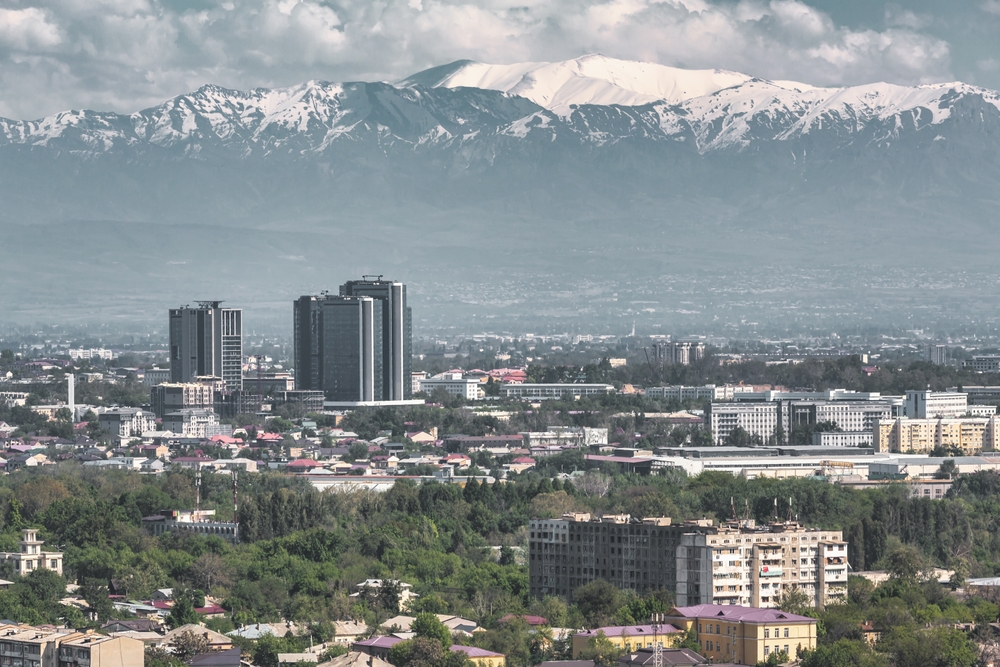
Qiqihar is a primarily industrial city located 250 km from Harbin in Heilongjiang province. The city serves as the gateway for travelers heading to the Zhalong Nature Reserve.
The city offers several pleasant parks and gardens as well as modest historical structures that can occupy visitors for a day's exploration.
History
Qiqihar became a fortified city in 1691 and served as the base for Heilongjiang's military government.
For many years, the city was inhabited primarily by Manchurians, but over time it came to be dominated by Han Chinese.
The introduction of the railway to this region of Chine in 1903 enabled the city to develop and become a major transportation hub.
The city subsequently expanded and flourished, notably during the Japanese occupation between 1931 and 1945.
Today
Although Qiqihar is not a major tourist destination in its own right, it nonetheless offers passing visitors a handful of attractions to occupy themselves during a day's layover before heading to the Zhalong Nature Reserve.
Today Qiqihar is an industrial city that has managed to preserve several historical buildings. You'll find the Dacheng Temple, which houses an enormous Buddha statue. The complex sits within a lovely tree-lined courtyard surrounded by eight small pavilions flanking the main temple.
On the city's west side, stop at the Bukui Mosque, constructed in traditional Chinese style. You can stroll around the building and absorb its atmosphere.
The city also boasts several parks, including Longsha Park, which offers a pleasant walk away from the city's bustle.
Of course, the Zhalong Nature Reserve is the true highlight of a stay in Qiqihar. This bird sanctuary, located about 30 km from the city, is home to more than 250 bird species, many of them exceptionally rare.
Climate
Situated in a mountainous setting, the city enjoys a temperate continental monsoon climate with four distinct seasons.
Springs are dry and windy, summers hot and rainy, autumns cool, and winters dry, long, and bitterly cold. The average annual temperature is 3.5°C, with a July average of 22.9°C and a January average of −19.2°C.
May through September is the best period to visit Qiqihar. Spring is particularly ideal for birdwatching at the nature reserve.
Air
Sanjiazi Qiqihar Airport is served by flights from Beijing, Dalian, Shanghai, Guangzhou, and Shenzhen.
Train
As a major railway hub, Qiqihar Station is connected to Harbin.
Numerous trains link the city to Beijing, Dalian, and all major regional cities.
Long-distance Bus
Long-distance buses operate between Qiqihar and Beijing.
Other long-distance services crisscross the region and serve Qiqihar.
Approximately twenty local bus lines make getting around the city straightforward.
Taxis are readily available throughout the city to take you to your destination.
What to Do in Qiqihar?
- Take a leisurely stroll through the expansive Longsha Park.
- Visit the Dacheng Temple complex and discover the great Buddha.
- Stop by the Bukui Mosque.
- Venture into the Zhalong Nature Reserve to explore hundreds of bird species.
Want to discover this destination?
Our local advisors design your tailor-made trip.