Shangri-La
Shangri-La
At 3,200 meters altitude, at the gateway to Tibet, Shangri-La combines monasteries, glacial lakes and high-altitude treks. Complete guide to planning your Yunnan stopover.
Name: Shangri-La
Chinese name: 香格里拉
Province: Yunnan
Status: City and Administrative Division
Population: 129,306
Area: 11,613 km²
Shangri-La, located in the northeast of Yunnan, is an administrative division of the province. Originally nicknamed Zhongdian, Shangri-La captivates visitors with its extraordinary atmosphere and breathtaking surrounding landscapes.
For travelers seeking discovery and escape, Shangri-La is essential on your China journey.
History
The 1939 publication of Lost Horizon by British novelist James Hilton introduced the world to an extraordinary—some would say imaginary—place called Shangri-La.
Eager to transform Zhongdian into a strategic tourism destination like Lijiang and Dali, the Chinese government decreed that the magical location described in the novel corresponded to Zhongdian and renamed the city Shangri-La in 2002.
Since then, the city has been developed to accommodate tourist groups and continues to grow, somewhat at the expense of the landscape's pristine character. Nevertheless, Shangri-La retains its natural charm, and historic remnants have been carefully preserved.
Today
Located at the convergence of Tibet, Sichuan, and Yunnan, Shangri-La is an administrative division governed by the Diqing Tibetan Autonomous Prefecture.
At an average altitude of 3,000 meters, the city is challenging to reach, instilling a sense of remoteness.
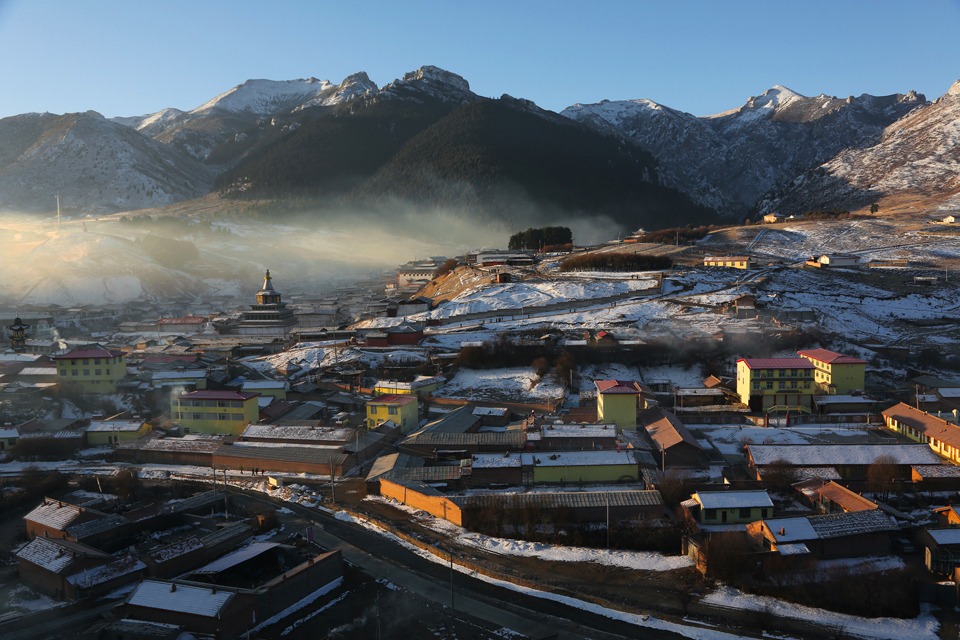
Shangri-La marks the gateway to Tibetan lands, which explains the significant Tibetan population in the area. This offers a unique opportunity to discover Tibetan culture and learn more about their way of life, spiritual practices, and cuisine. The Ganden Sumtseling Monastery, considered one of southwest China's most important monasteries, houses around 600 monks. This magnificent sanctuary, situated just outside the city, deserves a visit to itself for its beauty and breathtaking mountain and city views.
The old town, which has remained intact with its distinctive architecture, is equally worth exploring. Wandering through its narrow alleys, you may encounter Tibetan women in traditional headdresses preparing meals or tending to children.
Shangri-La also offers unique landscapes defined by high plateaus and fascinating ethnic cultures that enhance the region's appeal for travelers. Hiking enthusiasts will delight in escaping into pristine wilderness and discovering the famous Meili, Baimang, and Haba mountains, as well as the Mingyong Glacier. Meet other ethnic communities along your way and encounter yaks and other wildlife in the Napahai and Bitahai nature reserves.
This region is home to numerous ethnic minorities, and festivities are plentiful throughout the year. You'll have the chance to witness traditional folk dances, costumes, and cultural arts.
Shangri-La has much to offer those seeking to escape modern life. A stay in this county can prove to be a remarkable human experience.
Climate
The best time to visit Shangri-La is from March to August. Weather conditions are favorable with relatively mild temperatures. Wildflowers blanket the landscape, and wildlife nurtures their young. September and October bring festivals and celebrations. Temperatures are slightly cooler but pleasant. Autumn transforms the scenery beautifully.
During winter, snowstorms can severely limit access to the city.
In any case, it's advisable to pack warm clothing, as temperatures can drop rapidly.
Shangri-La's geographical location makes access challenging.
Air
Diqing Airport, located 5 km from the city, offers flights—though somewhat irregularly—from Kunming, Guangzhou, and Lhasa.
Few taxis wait at the airport; it's better to take one of the shuttle buses or arrange a private driver.
Long-distance bus
From Kunming, Dali, and Lijiang, long-distance buses serve Shangri-La.
There are six bus routes. Remember to bring exact change for the bus, as drivers rarely have change.
What to do in Shangri-La?
- Enjoy the splendid views of the city from the Ganden Sumtseling Monastery.
- Venture off the beaten path for a hiking or horseback expedition.
- Stroll through the old town and meet local residents.
- Marvel at the emerald waters of Bita Lake.
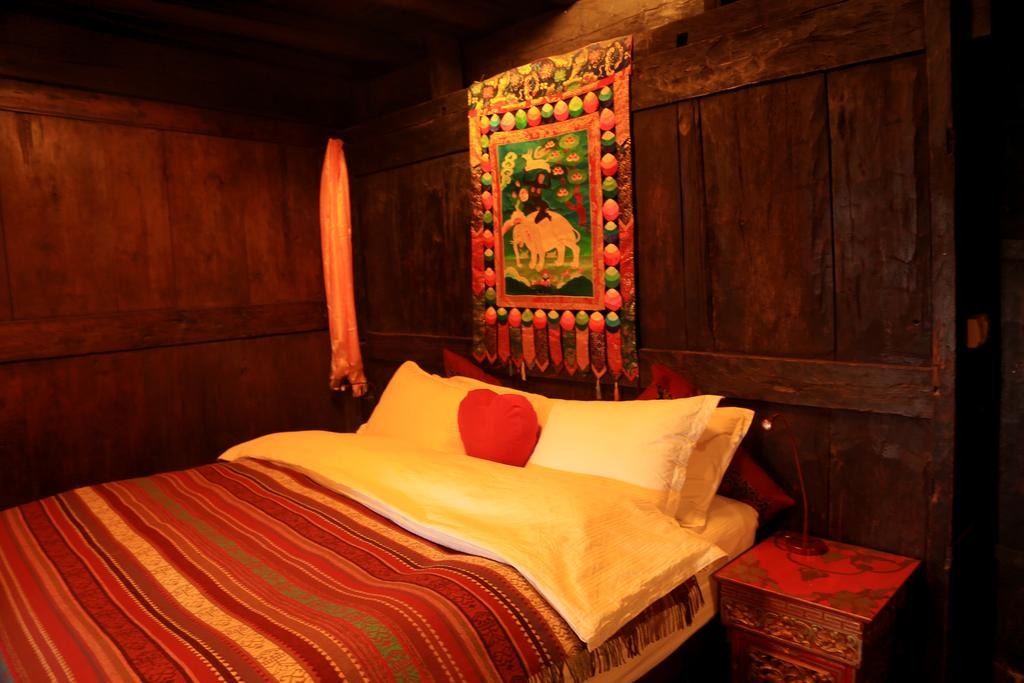
Accommodation in Shangri-La
Want to discover this destination?
Our local advisors design your tailor-made trip.