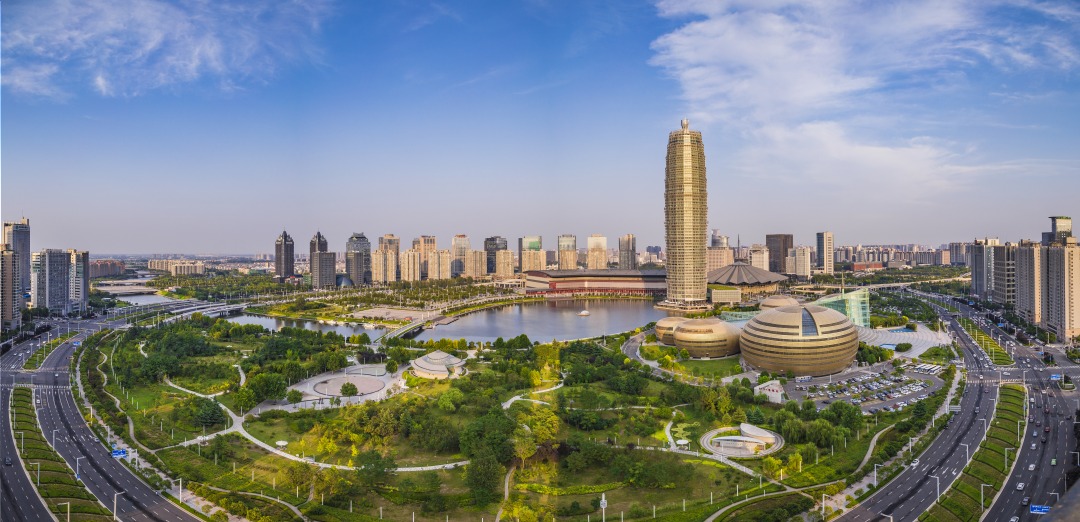
Shijiazhuang
Shijiazhuang
Capital of Hebei province just 1 hour 15 minutes from Beijing by high-speed rail, Shijiazhuang is the gateway to the Zhaozhou Bridge, Longxing Temple and Mount Cangyan.
Name: Shijiazhuang
Chinese name: 石家庄市
Province: Hebei
Status: Prefecture-level city
Population: 9,273,000
Area: 15,848 km²
Shijiazhuang is a vibrant, modern metropolis and the provincial capital of Hebei. A relatively young city often overshadowed by nearby Beijing and Tianjin, Shijiazhuang offers limited cultural attractions in itself but serves as an excellent base for exploring southern Hebei.
History
Before becoming a provincial capital, Shijiazhuang was little more than a village. The city was officially established in 1939 under the name Shimen, then renamed to its current designation in 1948. Its significant economic growth stems from the railway construction connecting China's capital, Beijing, to the country's southern regions.
Between 1948 and 1958, the city experienced explosive growth, with its population expanding dramatically.
Today
This young capital, nestled between mountains, continues to flourish as a thoroughly modern metropolis. It stands as Hebei's primary economic hub and a notably important city across Chine.
Shijiazhuang is home to China's largest pharmaceutical industry base, as well as being a major center for textiles, IT, and chemicals. From a tourism perspective, the city itself offers limited attractions, but it makes an excellent stepping stone before venturing along the routes of southern Hebei.
The Zhaozhou Bridge, believed to be Chine's oldest stone arch bridge, has become the city's historic symbol.
West of the city, Mount Baodu, an ancient fortified hilltop, offers an ideal escape for outdoor walks and respite from the city's ambient pollution. Other surrounding mountains provide wonderful hiking trails dotted with small Buddhist structures that reveal the region's rich spiritual heritage.
The Longxing Temple, a former Buddhist monastery regarded as the foremost temple south of Beijing, deserves a visit.
Climate
Shijiazhuang enjoys a temperate monsoon climate with four distinct seasons. The average annual temperature hovers around 14°C, with June averages around 26°C and January, the coldest month, dipping to -2.9°C.
The best time to visit Shijiazhuang is autumn, when temperatures are pleasant and rainfall subsides.
Air
Shijiazhuang International Airport connects to most major Chinese cities as well as Russia.
Train
Shijiazhuang is a railway hub served by connections from Beijing, Guangzhou, Nanjing, Shanghai, Datong, Changchun, Jinan, and Chengdu.
Bus
Frequent buses operate between the provincial capital and Beijing, Jinan, Tianjin, and Zhengzhou.
Bus travel is a very practical way to get around the province.
The city recently launched dedicated tourism bus lines serving major tourist attractions.
Additional bus routes and taxis run throughout the city daily to transport you to your chosen destinations.
What to do in Shijiazhuang?
- Visit the Hebei Provincial Museum.
- Stroll through the park to the Martyrs' Revolutionary Mausoleum.
- Head into the mountains beyond the city and enjoy hiking at Mount Cangyan to discover the suspended temple.
- Stop by the Longxing Temple at Zhengding Village.
Attractions in Shijiazhuang
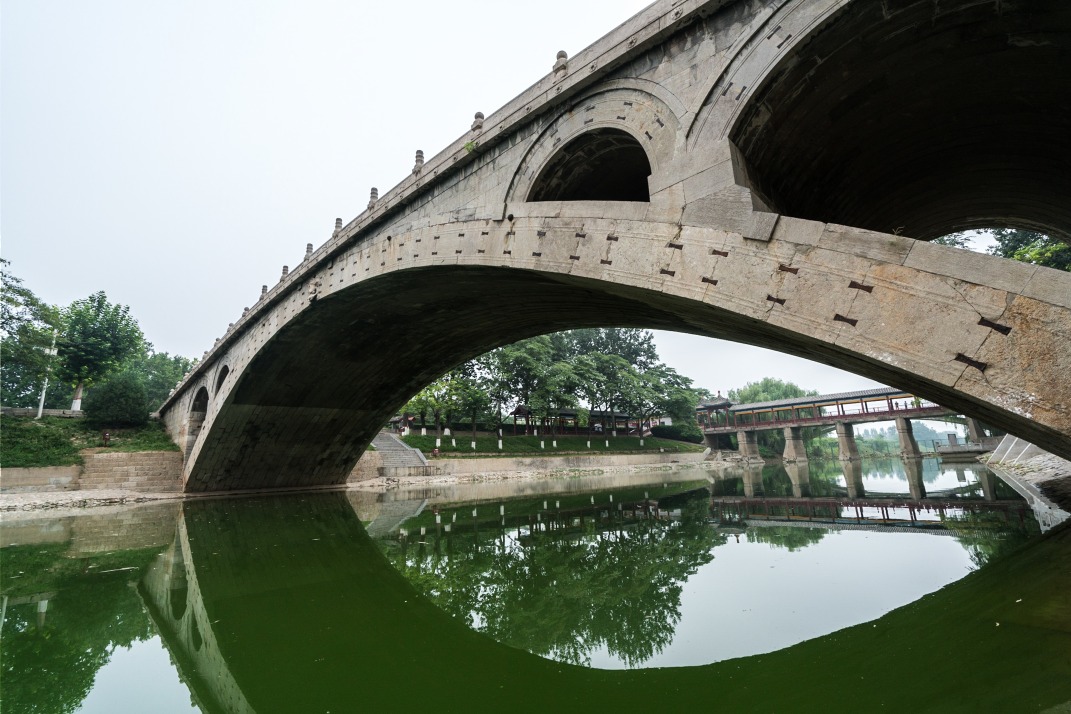
Pont Zhaozhou
À 40 km de Shijiazhuang, le pont Zhaozhou (pont Anji) franchit la rivière Xiaohe depuis 595. Plus de 1 400 ans d'histoire et une prouesse d'ingénierie Sui.
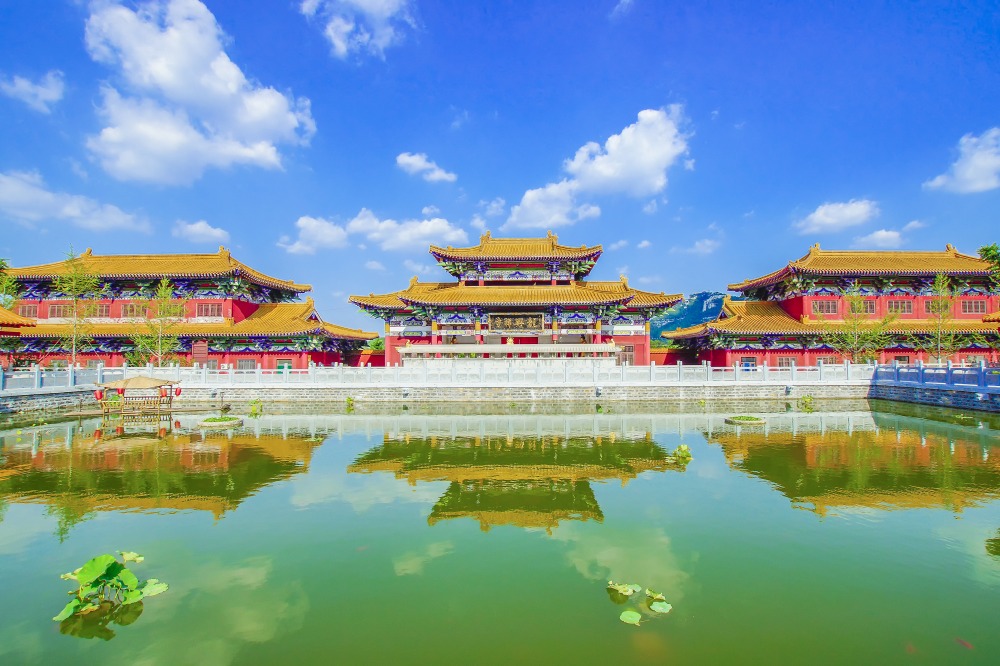
Temple Longxing
Monastère bouddhiste fondé en 586 à Zhengding (Hebei), le temple Longxing conserve une architecture Song et une statue de Guanyin en bronze de plus de 22 mètres.
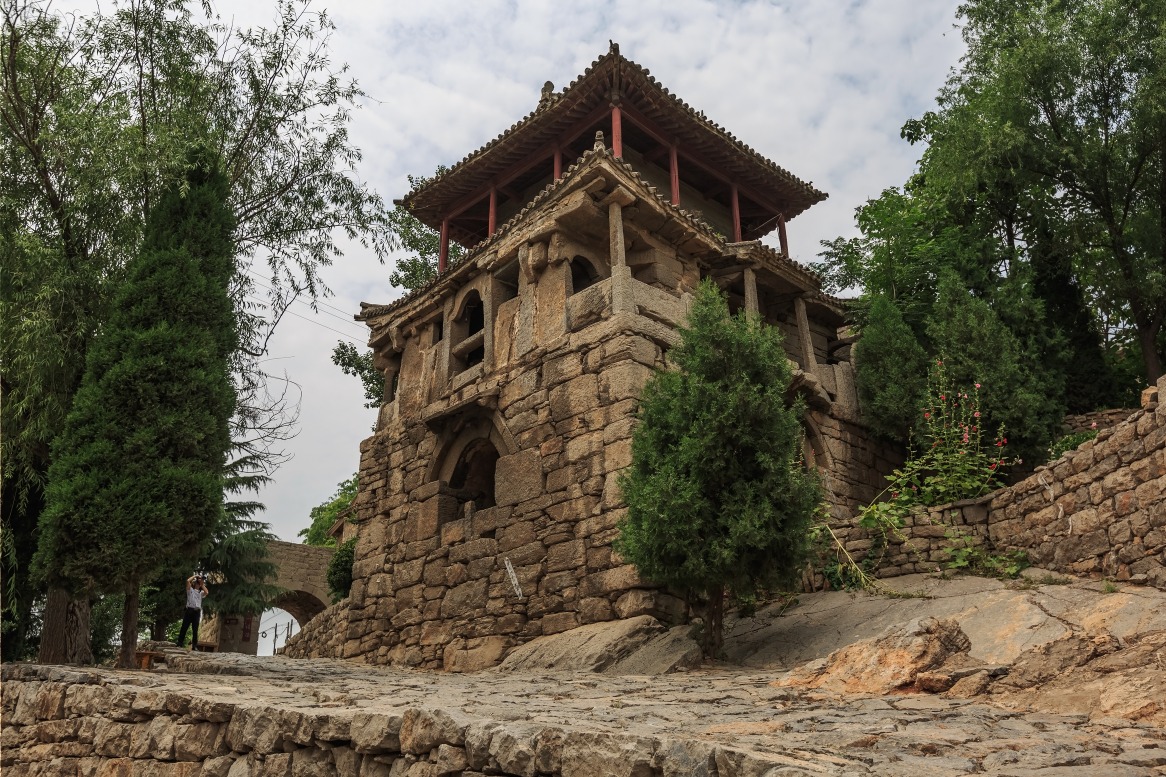
Village de pierre Yujiacun
Fondé en 1468 par la famille Yu près de la montagne Taihang, Yujiacun conserve 4 000 maisons en pierre et un patrimoine architectural rare du Hebei.
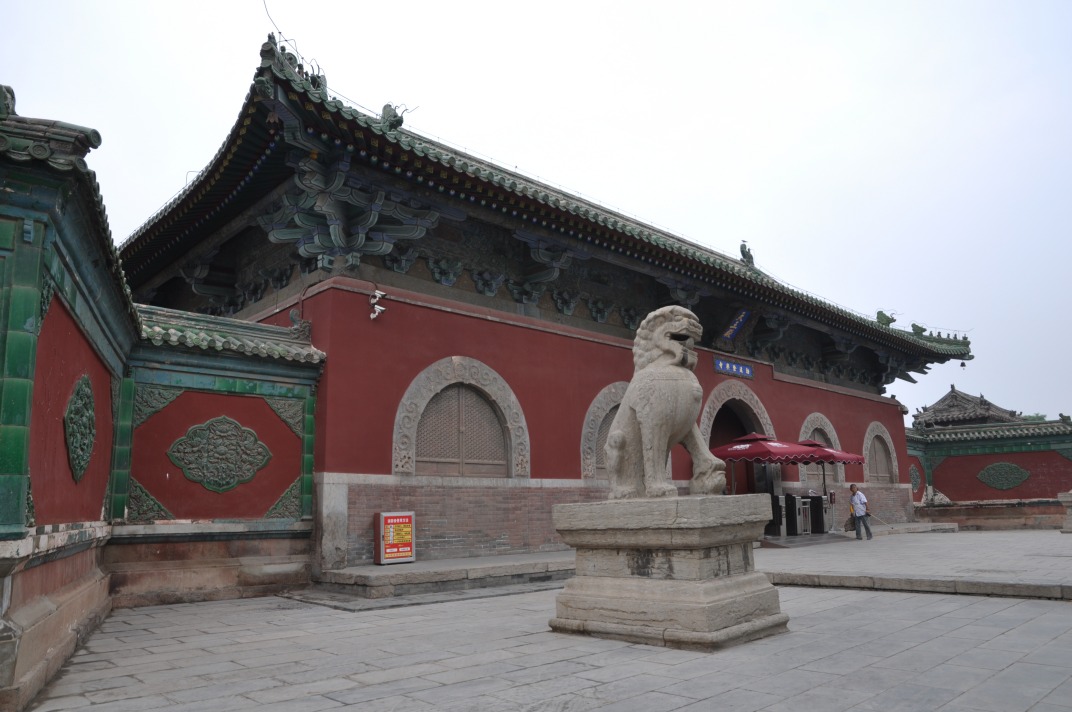
Village de Zhengding
Ancienne cité bouddhique au nord de Shijiazhuang, Zhengding rassemble le monastère Longxing, la pagode Hua et plusieurs pagodes héritées des dynasties Tang à Qing.
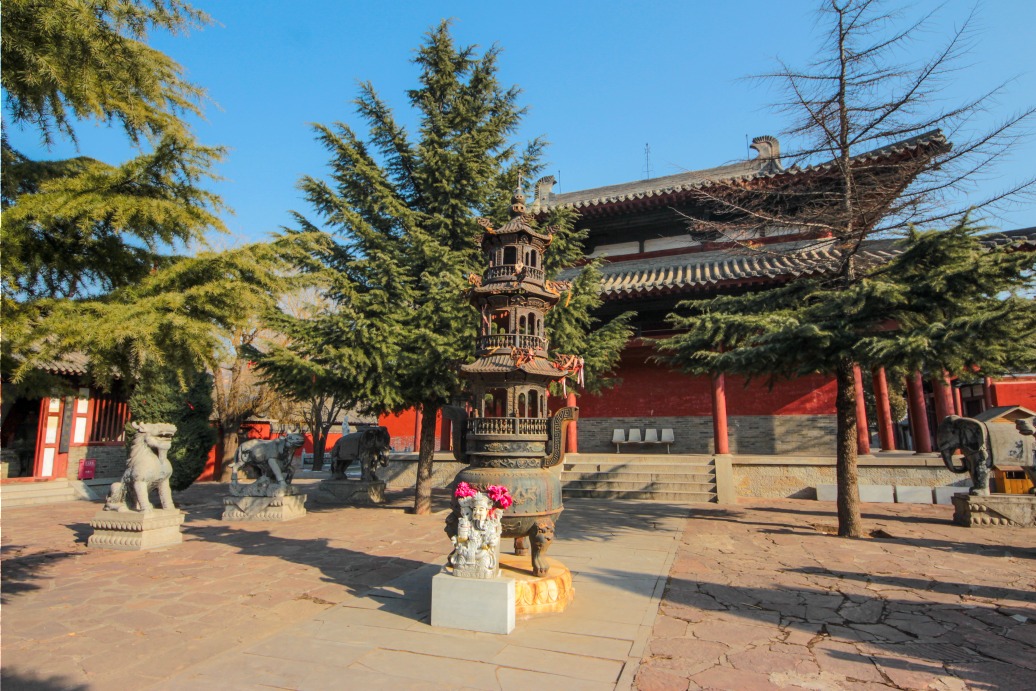
Mont Cangyan
Massif des monts Taihang à 80 km de Shijiazhuang : le Mont Cangyan abrite le temple suspendu Qiaoloudian et plusieurs sanctuaires bouddhistes liés à la dynastie Sui.
Want to discover this destination?
Our local advisors design your tailor-made trip.