The Philosophical Foundations of Traditional Chinese Medicine
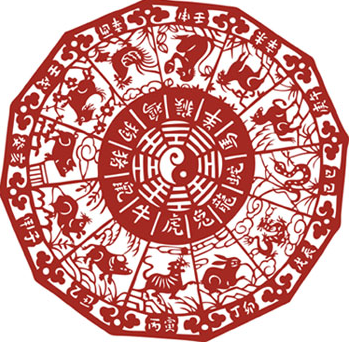
TCM theories are rooted in ancient Chinese thought, particularly the foundational text of Chinese civilization: the Yijing. The circulation of Qi, the balance between yin and yang polarities—these are essential references.
TCM theories are rooted in ancient Chinese thought, particularly the foundational text of Chinese civilization: the Yijing. The circulation of Qi, the balance between yin and yang polarities—these are essential references.
This philosophical foundation is naturally far removed from Western thinking, and holds that nothing in the phenomena of the universe is fixed (Yijing means "The Book of Changes").
Glossary:
- 气 qì: air, breath, energy. This term is often written as "Chi" in English-language texts, reflecting its pronunciation in Chinese.
- 阴 yīn: the yin principle (feminine, cold, passivity, darkness...)
- 阳 yáng: the yang principle (masculine, heat, activity, luminosity...)
Qi, the Fundamental Force
According to this mode of thought, which greatly inspired Taoist philosophy, the universe is permeated by a fundamental force: Qi (Ki in Japanese). It is nothing less than what Western science calls bioenergy, and what Indian sages call Prana.
Qi is the force that sustains all life, all activity. It is present throughout the universe and within every living being, circulating through meridians—an invisible, immaterial network. It is the quantity and fluidity of Qi that determines an individual's state of health.
Qi that circulates correctly allows one to feel well, maintain clarity of mind, and possess physical vitality. Conversely, blocked or sluggish Qi creates sensations of heaviness and unease. The physician's primary work is to ensure this proper "energetic" circulation.
Yin and Yang, the Two Polarities
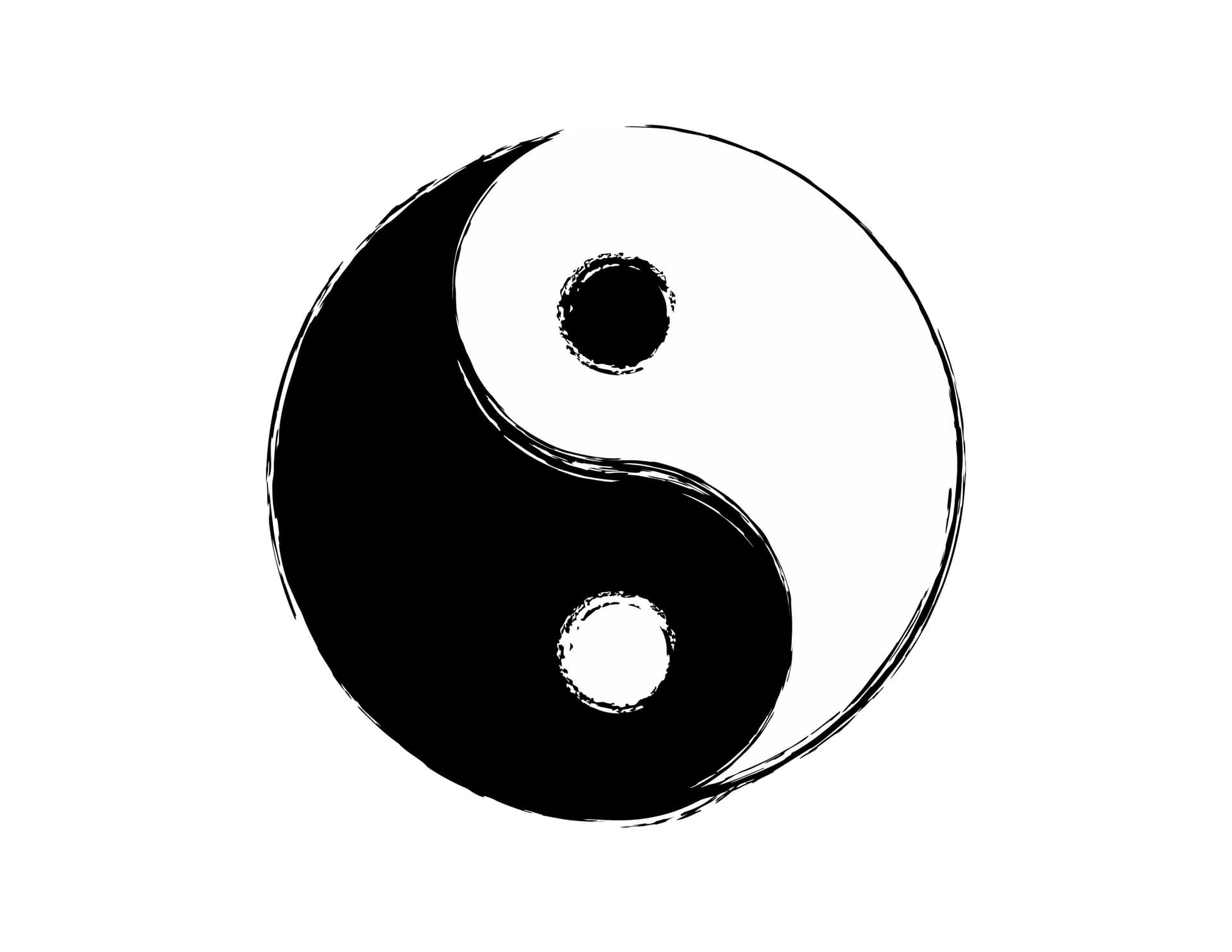
Chinese thought also considers that the universe is divided between two complementary and interdependent polarities: yin and yang. Neither is ever static or absolute; rather, they are found within every being and every phenomenon.
Yin relates to cold, the passive, the dark... while yang relates to warmth, the active, the luminous...
In TCM, a person's health depends on the balance and alternation between these two principles, both of which are essential. A lack of one or the other creates an excess of the opposite polarity, leading to disease. The physician must then identify the source of the imbalance and restore equilibrium.
Many other theories (the five elements, the biological clock, the five vital substances...) must also be taken into account to truly understand traditional Chinese medicine—a science enriched by millennia of refinement.