
The 3 Best Places to Admire Giant Pandas in China
China is one of the rarest places, if not the only place in the world where it is possible to observe giant pandas. Indeed, you will find in Sichuan Province,
China is one of the rarest places, if not the only place in the world where it is possible to observe giant pandas. Indeed, you will find in Sichuan Province, in particular near the city of Chengdu, several research and conservation centers dedicated to these adorable living plush toys.
Endangered animals, giant pandas live in the bamboo forests of Sichuan, Gansu, and Shanxi provinces. Several factors such as the destruction of their natural habitat and their difficulty in reproducing have made the giant panda an endangered species. With a concern for preserving this species, China has several giant panda research and conservation reserves, some of which can be visited.
Here is a selection of the best places to admire giant pandas during your next trip to China.
Bifengxia Giant Panda Base
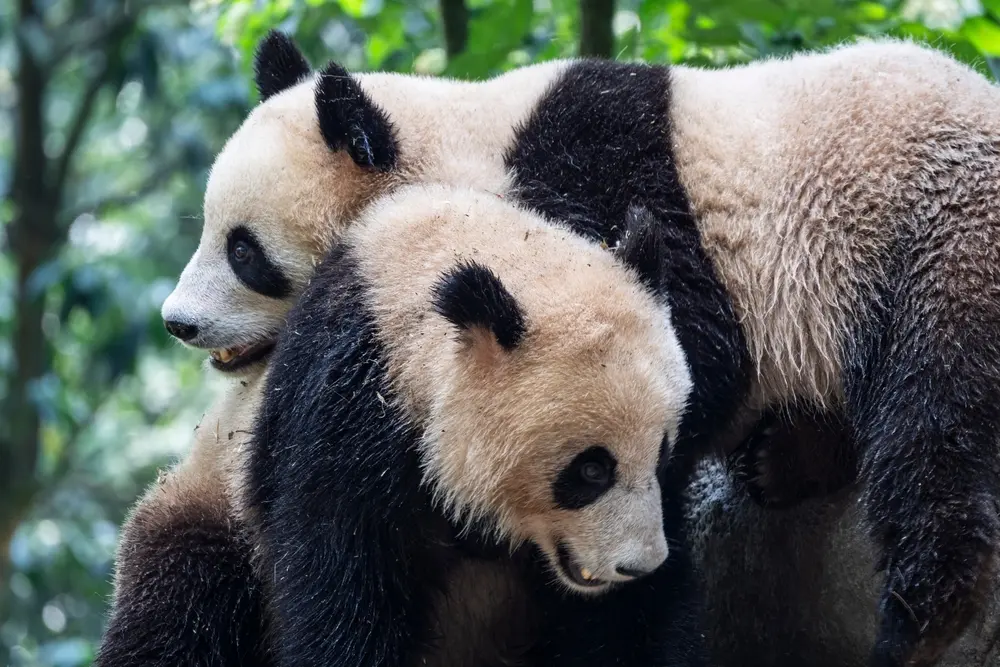
Inaugurated in 2003, the Bifengxia Giant Panda Base is a must-visit during your circuit to observe pandas in China. The Bifengxia reserve is the world's largest giant panda base.
It is home to just over 80 specimens that can thrive in a vast park featuring bamboo forests, mountains, rivers, and waterfalls. A volunteer program has been created for all animal enthusiasts and lovers wishing to participate in the protection of giant pandas.
The reserve is located 8 kilometers from the city of Ya'an and 150 kilometers from Chengdu.
Chengdu Giant Panda Research and Breeding Center
Located just a dozen kilometers north of the city of Chengdu in Sichuan Province, the giant panda research and breeding center is one of the best places to observe pandas in China. Indeed, this center is home to more than a hundred of these big cuddly creatures living across an area of over 100 hectares.
The center is among the best equipped for observing and assisting in panda reproduction. A reintroduction program is in place to release pandas into their natural habitat once they are ready.
The center can be visited and also features a museum where you can learn more about this animal and all the conservation programs.
So during your next vacation in China, take time to stop by and experience an unprecedented and unforgettable encounter with these legendary mammals.
Learn more about the Chengdu Giant Panda Center
Beijing Zoo
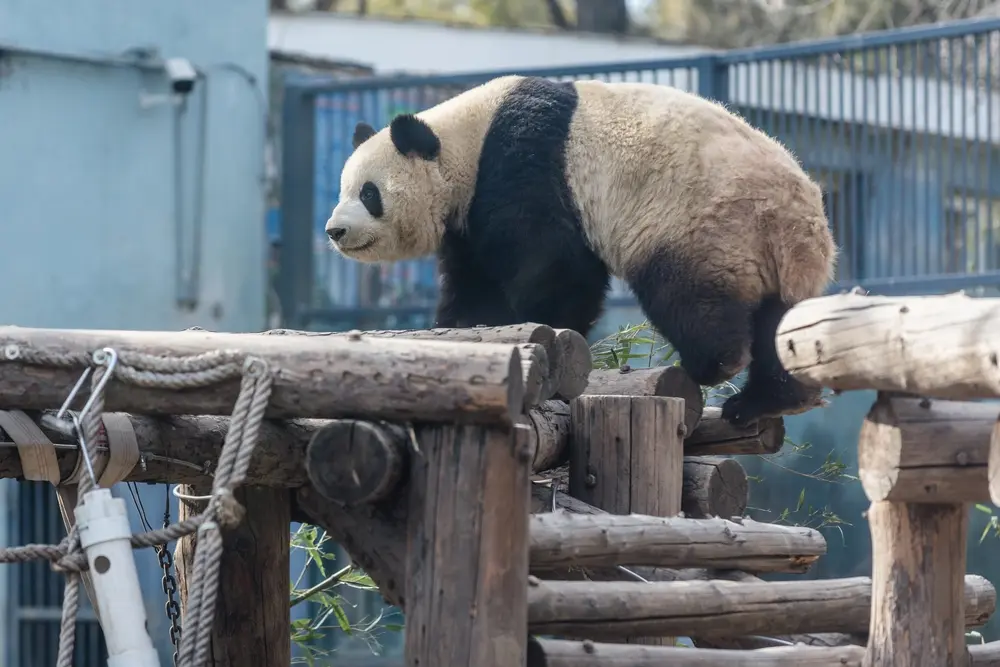
Beijing Zoo is also among the most popular places to admire giant pandas. The area dedicated to these mythical animals covers approximately 10,000 square meters. This zone also houses a research center for panda breeding where you will have the opportunity to see baby pandas in the nursery.
Beijing Zoo can be a good alternative to the Sichuan centers if your trip does not take you to that province. However, expect significant crowds.
Frequently asked questions
The Chengdu Giant Panda Research and Breeding Center is generally considered the best place, with over a hundred pandas across more than 100 hectares. The Bifengxia base, the world's largest reserve with 80 specimens, is an impressive alternative.
Spring (March to May) is ideal for seeing baby pandas born in late the previous year in the nurseries. Autumn is also a good period with mild temperatures. In summer, the heat can make pandas less active.
Yes, the Bifengxia Giant Panda Base offers a volunteer program for enthusiasts wishing to actively participate in the protection of these animals. Contact the center directly for conditions and rates.
Yes, Beijing Zoo is a good option if your itinerary does not pass through Sichuan Province. It has a dedicated panda area of approximately 10,000 m² with a nursery. However, expect significant crowds, especially on weekends.
The Bifengxia base is located 150 kilometers from Chengdu and 8 kilometers from the city of Ya'an. You can reach Ya'an by bus from Chengdu (approximately 1.5 hours), then take a taxi or local bus to the reserve.
Thanks to conservation efforts led notably by China, the giant panda was reclassified from 'endangered' to 'vulnerable' by the IUCN in 2016. This is a major breakthrough, but protecting their natural habitat remains crucial for their long-term survival.