Chinese Craftsmanship, a True Art Form
Chinese craftsmanship is an art deeply rooted in China's most profound traditions. Passed down through generations, Chinese craftsmanship today embodies exceptional know-how that reflects the country's culture, enriched by 4,000 years of civilization.
Chinese craftsmanship is an art deeply rooted in China's most profound traditions. Passed down through generations, Chinese craftsmanship today embodies exceptional know-how that reflects the country's culture, enriched by 4,000 years of civilization.
Craftsmanship in China reveals itself through many facets: the art of pottery, ceramics, jade, silk, calligraphy, and Buddha statues. It would be nearly impossible to catalog everything that Chinese craftsmanship encompasses; however, certain arts stand out and are inseparable from China in our collective imagination.
The Art of Jade
Jade has been used since ancient times by China, notably for the legends surrounding it that grant it immortal virtues. This is why jade is still found in tombs and on ancient suits of armor.
A noble stone par excellence, jade continues to be worked in numerous workshops throughout the country today. During a stay in China, you can visit workshops or spend an hour browsing a jade market like the one in Hong Kong, for example, and acquire magnificent jewelry. Chinese people love wearing jade around their neck, as it is believed to bring them good fortune.
The Art of Silk
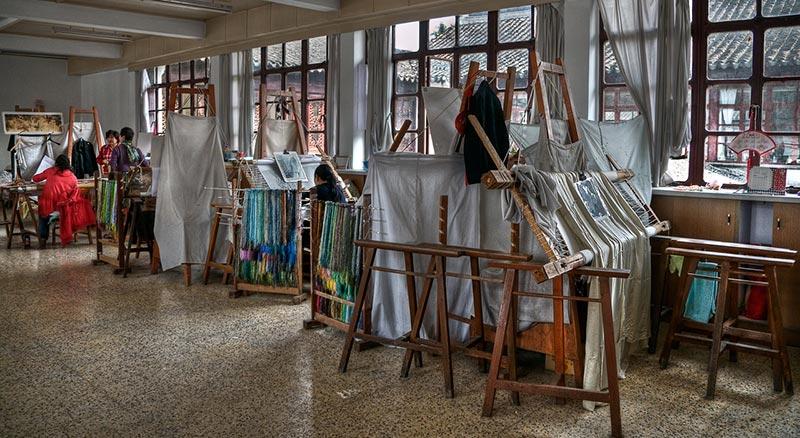
Sericulture and silk craftsmanship have a very long history and contributed greatly to the prosperity of the Middle Empire, particularly through the Silk Road. Silk requires exceptional know-how that is typically passed down from family to family or from master to apprentice.
It is relatively easy to find silk in China in all its forms: by the meter, woven, in garments, and more. The silk market in Beijing will give you a good sense of what is possible with silk.
Chinese Calligraphy
Calligraphy is a true art in China, expressed through its own unique ideograms, characters, and technique. The beauty of this art lies in the tools used, the noble and refined materials, and of course the execution of the work itself.
Calligraphy inspires many Chinese and Asian arts and must be practiced with extreme concentration.
Throughout China, several calligraphy workshops operate to perpetuate these techniques and traditions. During your travels, you too can experience this unique art and learn some of its fundamentals.
Oud Wood or Agarwood
Oud wood, also called agarwood, is extracted from aquilaria trees and has been used for centuries in Oriental traditions. Prized for its delightful fragrance, oud wood is transformed into incense sticks. Before being sold, however, these fragrant sticks require a long resting period so their aroma can mature and deepen.
Oud wood is also used for infusions or to be inhaled through tobacco-free cigarettes.
This wood is said to possess calming properties due to its rich content of terphenoids, a natural sedative and anxiolytic frequently used in traditional Chinese medicine.
Chinese Ceramics and Porcelain
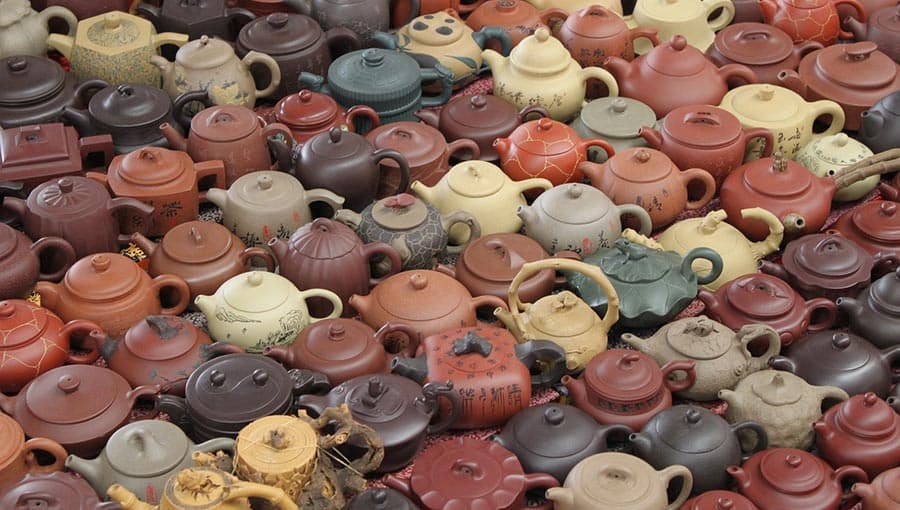
Chinese ceramics and porcelain are the subject of a long tradition of technical and stylistic innovation.
Pottery is an art that emerged thousands of years before Christ and continues to influence techniques and styles throughout the world.
Working with ceramics employs several production and creation techniques as well as multiple materials such as terracotta, stoneware, porcelain, and clay.
Chinese artisans continue to follow the ancient production techniques of previous dynasties, yet each piece remains unique.
Purchasing Products from Chinese Craftsmanship
During your stay in China, you can take the opportunity to discover numerous artisan workshops and bring home some beautiful souvenirs from Chinese craftsmanship. If you lack the chance to visit in person, boutiques such as Artisan d'Asie, for example, offer fabulous artisanal products.
Frequently asked questions
Among the most emblematic crafts of China, we find silk, jade, calligraphy, and ceramics/porcelain. These arts are rooted in over 4,000 years of civilization and continue to be passed down from generation to generation.
Several specialized markets allow you to find authentic craftsmanship: the jade market in Hong Kong, the silk market in Beijing, or local artisan workshops in historic cities. Always prefer certified workshops to avoid counterfeits.
Chinese calligraphy is an ancient art consisting of tracing ideograms with brush, ink, and noble materials. It demands concentration and precision. Many workshops offer introductions in China, and certain travel agencies like Nomadays can incorporate these experiences into your itinerary.
Jade holds a central place in Chinese culture for millennia. It is associated with virtues of immortality, protection, and good fortune. It was found in imperial tombs and on ancient armor. Today, it is very common to see Chinese people wearing a jade pendant to attract good luck.
Oud wood (or agarwood) is extracted from aquilaria trees and has been used for centuries in Oriental traditions, particularly in China. Transformed into incense sticks or used in infusions, it is renowned for its calming properties thanks to the terphenoids it contains, a compound frequently used in traditional Chinese medicine.