Rules of Etiquette for Eating with Chopsticks in China
With practice, eating with chopsticks becomes relatively straightforward. However, the real challenge begins: mastering all the rules of proper dining etiquette. Here's what you need to know...
With practice, eating with chopsticks becomes relatively straightforward. However, the real challenge begins: mastering all the rules of proper dining etiquette. Here's what you need to know...
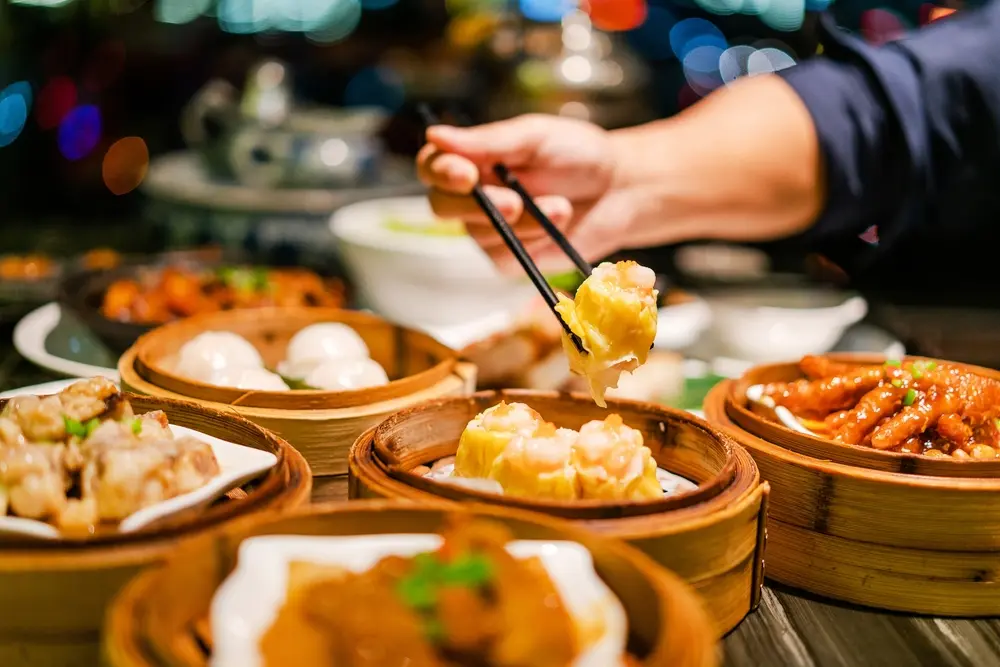
With a little practice, chopsticks reveal themselves to be a surprisingly manageable dining instrument and genuinely pleasant to use. They serve multiple functions, allowing you to stir, pinch, and pick up food with ease.
That said, they do have their limitations—many of us have experienced this firsthand—particularly with round, slippery foods like dumplings, peanuts, peas, wontons, and of course soup, though a spoon is always provided at the table.
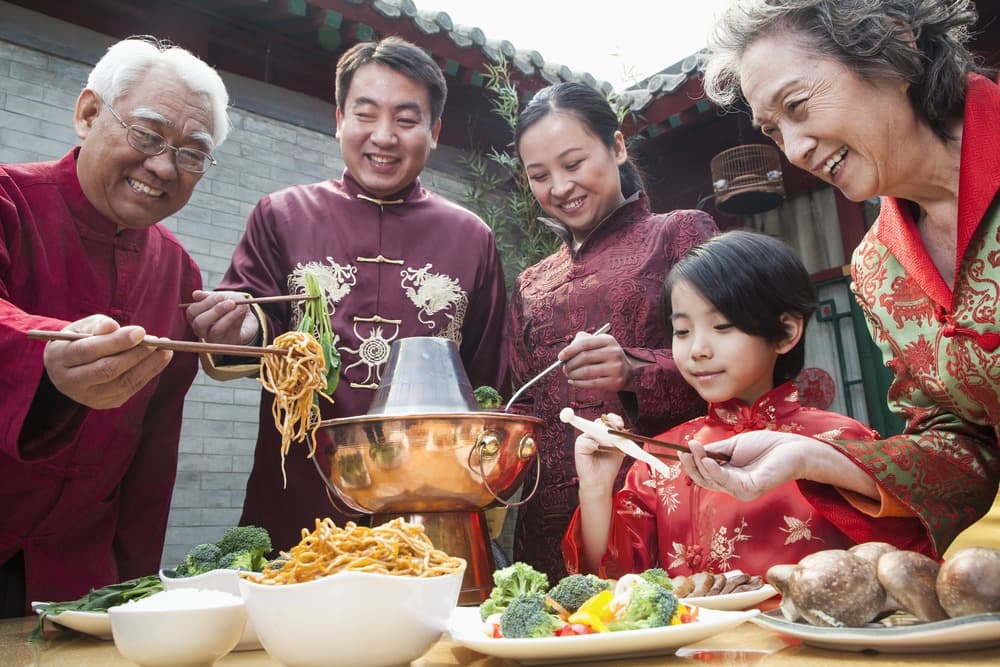
However, for all the hot pots, clay pots, and fondues that China adores, chopsticks prove remarkably practical. The same goes for eating noodles, provided you accept that lifting your bowl to your mouth and making audible slurping sounds is acceptable table manners!
On this subject, don't assume that Chinese diners lack rules of conduct. Here's what the childhood phrase "Keep your hands on the table and close your mouth while eating" becomes for a young Chinese person:
Don't tap your chopsticks against your bowl—it mimics the gesture of beggars asking for food.
Don't adjust the length of your chopsticks on the table, and never hold them vertically.
Never stick your chopsticks upright into your food.
Place your chopsticks gently and quietly on the chopstick rest.
When you pick up a spoon, set your chopsticks down (to keep only one hand occupied).
Don't gesture with your chopsticks, don't use them to point at something, and certainly not at someone.
Never lick your chopsticks, and don't use them to push a plate or glass around.
When you've finished eating, place your chopsticks across your bowl or plate.
Good table manners fundamentally mean never touching food with your fingers. Even what you reject—small bones, pits, fish bones—must be taken with chopsticks.
Chinese chopsticks are typically thick and square at the top, tapered and round at the bottom to prevent splinters. They're crafted from bamboo, wood, or plastic, and unfortunately often disposable. Finer versions exist in silver, ivory, porcelain, and lacquer.
They are perfectly suited to Chinese cuisine, just as we couldn't manage without our own cutlery for most of our traditional dishes.
There's no need, then, to wage war between chopstick enthusiasts and fork devotees—both are hygienic and practical, and certainly superior to eating with your hands.
Frequently asked questions
Planting chopsticks vertically in a bowl of rice is strongly discouraged in China because it resembles the incense sticks burned during funeral ceremonies to honor the deceased. This gesture is therefore considered a very bad omen at the dining table.
To hold chopsticks properly, place the first chopstick in the hollow between your thumb and index finger, supported by your middle finger. Hold the second chopstick like a pencil between your thumb, index, and middle fingers. Only the upper chopstick moves to grasp food. Regular practice allows you to master this technique quickly.
In major cities and restaurants frequented by tourists, it's generally possible to request a fork and knife. However, in more traditional or local establishments, only chopsticks and spoons are available. It's advisable to practice using chopsticks before your trip.
Round, slippery foods like dumplings, peanuts, peas, and wontons can be challenging to grasp with chopsticks. Soup requires the use of a spoon, which is always provided on the Chinese dining table. With practice, most items from Chinese cuisine can be eaten quite well with chopsticks.
Yes, chopsticks vary by country. Chinese chopsticks are generally longer, thicker, and have flat ends. Japanese chopsticks are shorter, slightly tapered, and often lacquered wood. Korean chopsticks, meanwhile, are made of metal and of intermediate length.