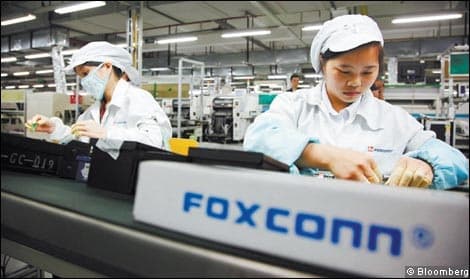
Special Correspondent at Foxconn: The Hidden Face of Apple
As scandals surrounding iPhone 5 manufacturing were beginning to fade, the Foxconn factory and tech giant Apple resurface on Thursday, December 13, 2012
As scandals surrounding iPhone 5 manufacturing were beginning to fade, the Foxconn factory and tech giant Apple resurface on Thursday, December 13, 2012 with a feature titled "The Hidden Face of Apple" presented on Special Correspondent, broadcast on France 2.
Apple continues to make headlines with scandals related to deplorable working conditions in the factories of its subcontractor Foxconn. The arrival of the iPhone 5 on the market triggered numerous controversies that continue to echo today.
The France 2 program once again exposed sometimes inhumane practices employed in the company's subcontracting factories and offers a highly realistic report of life within the Foxconn plant.
Undercover Operatives at Foxconn
For the purposes of the investigation, workers went undercover for several days in two Foxconn factories (in Shenzhen and Zhengzhou in China), Apple's main subcontractor. The undercover operatives, equipped with hidden cameras, revealed the harsh reality faced daily by thousands of Chinese employees and interns.
Since the arrival of the new smartphone from Apple, recruitment has not slowed and directives are becoming increasingly strict. Apple increases pressure day after day for ever-higher output.
An almost military management style is applied and insults are hurled daily at workers who are less compliant. Work shifts can extend up to 32 hours without pause, for wages unimaginable in the West. Images captured by the undercover operatives show basic and unsanitary dormitories where young workers are crammed together. Without proper equipment, sometimes with mattressless beds, the rooms are decrepit and the atmosphere so depressing that some workers even contemplate suicide.

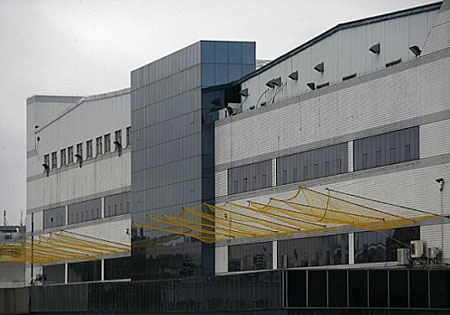
To counter these suicides, the Foxconn factory in Shenzhen installed anti-suicide nets, amplifying this bleak and harsh environment.
Child Workers and Forced Interns
The cameras also exposed the recruitment of minors as young as 16 years old and the methods used to compel interns to work at Foxconn, under threat of being denied their diploma.
In these manufacturing plants, the work pace is brutal and conditions deplorable. Promises made by management regarding salary increases are not kept, and no one can speak out without risking expulsion or even imprisonment.
This type of investigation confirms, if confirmation was still needed, that Apple has serious concerns about its supposedly ethical and humane image. Each product launch comes with buzz and an almost disproportionate enthusiasm. It is clear that the tech giant has managed to generate demand over the years through the technologies it uses, whether these are genuine needs or a desire for recognition and social belonging.
While controversies over the manufacturing conditions of the latest iPhone 5 no doubt damaged the brand's image, it did not prevent it from breaking sales records. The iPhone 5 is indeed the most sought-after technological marvel of the moment, but at what cost? Does our propensity for overconsumption alone justify such practices? Don't we, as consumers, also bear some responsibility for these deplorable working conditions?
Frequently asked questions
The report broadcast on December 13, 2012 on France 2 revealed inhumane working conditions in Foxconn factories in China, thanks to undercover journalists equipped with hidden cameras. Among the abuses exposed: work shifts extending up to 32 hours, unsanitary dormitories, daily insults, recruitment of minors as young as 16 and interns forced to work under threat of being denied their diploma.
Facing a wave of suicides among its employees, the Foxconn factory in Shenzhen installed nets around buildings to prevent workers from jumping. This measure, condemned as a band-aid on a gaping wound, illustrates the degraded psychological environment in which thousands of workers who manufacture iPhones and other Apple products exist.
Apple, as Foxconn's primary client, is directly implicated in controversies over working conditions. Pressure for ever-higher output, particularly during the iPhone 5 launch, reportedly worsened conditions on production lines. Apple has since implemented auditing programs for its suppliers, but worker rights organizations continue to point out significant gaps.
The Special Correspondent report was filmed in two Foxconn factories located in China: the Shenzhen factory in Guangdong Province and the Zhengzhou factory in Henan Province. These two sites are among the largest consumer electronics manufacturing complexes in the world.
The question is posed directly in the article: every iPhone or Apple product purchase indirectly supports a pressure-based production system. Alternatives exist such as purchasing refurbished smartphones, choosing brands more transparent about their supply chain, or simply extending the lifespan of your current device.