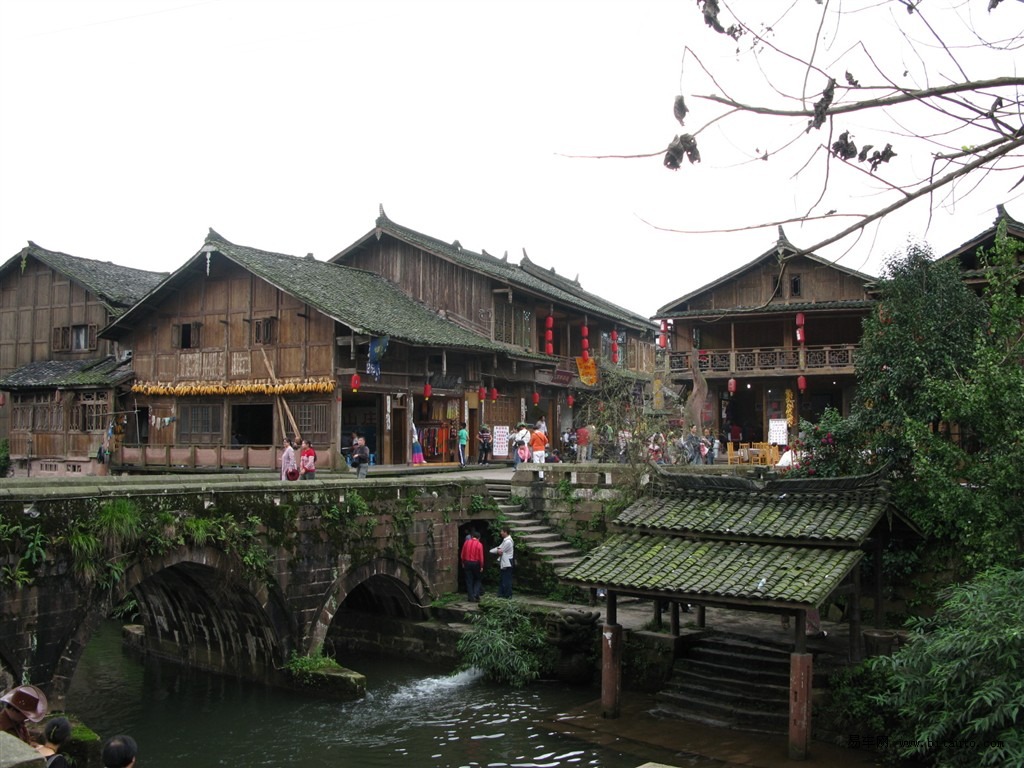
Hailar
Hailar is the ideal base for exploring the Hulunbuir steppes, visiting Japanese World War II fortifications, and immersing yourself in Mongolian nomadic culture.
Hailar — officially Hailar District within the prefecture-level city of Hulunbuir — is the gateway to the steppes of Inner Mongolia in northeastern China. A historical crossroads of Mongolian, Manchu, and Han cultures, the city opens onto the vast Hulunbuir grasslands, among the best-preserved in Asia. It is here that routes converge toward nomadic pastures, border lakes, and World War II heritage sites.
What to See
Hailar itself is a bustling transit hub, yet it holds several concrete points of interest.
- Japanese Fortification Ruins: a network of bunkers and underground tunnels built by the Imperial Japanese Army during occupation (1939-1945), now partially open to the public as a memorial site.
- Hulunbuir Grasslands: on the outskirts of the city, steppes stretch to the horizon; in summer, they are blanketed with wildflowers and host yurt encampments.
- Local Market: Mongolian dairy products (dried cheese, fermented milk), mutton, and leather crafts enliven the city center.
- Yimin River: it flows through Hailar and offers walks along its landscaped banks.
History and Context
Hailar takes its name from a Mongolian term for aquatic plants of the local river. A trading post since the Qing Empire era, the city became a strategic node in the twentieth century: the Japanese built one of their largest fortifications in Manchuria here. In 1945, Soviet and Mongolian troops captured it during the August Offensive. Today, Hulunbuir is the largest prefecture-level city in the world by area.
Highlights of Your Visit
Japanese Fortification Memorial Site
The tunnel network extends several kilometers beneath the hill west of the city. Panels explain the site's strategic role and honor the forced laborers who built it. The visit is striking, particularly the preserved command rooms.
Grassland Excursion
The Hulunbuir steppe is accessible within tens of minutes from downtown. The ideal period runs from June through September, when grass is lush and yurts welcome visitors. Some encampments offer horseback riding demonstrations and traditional Mongolian meals.
Naadam Festival
In July, competitions in Mongolian wrestling, archery, and horse racing take place in the region. Hailar serves as a convenient base to attend.
Photography Tips
Golden light at dawn and dusk enhances the grasslands: prioritize the first hours after sunrise to photograph yurts with the steppe as backdrop. In the Japanese tunnels, a tripod is useful due to low lighting. Check photo restrictions at the memorial site entrance.
Location and Access
Hailar is served by Hulunbuir Hailar Airport, with direct flights from Beijing, Harbin, and other major Chinese cities. The city is also reachable by train from Harbin and Manzhouli. The downtown area is easily navigated on foot or by taxi. The surrounding grasslands require a vehicle; local agencies offer organized excursions.
Nearby
- Manzhouli — Russian-Chinese border town known for its giant matryoshka dolls and cosmopolitan atmosphere, about two hours west.
- Hulun Lake (Dalai Lake) — one of China's largest lakes, a haven for migratory birds and an open landscape onto the steppe.
- Ergun (Argun) — a town close to the Russian border, a departure point for exploring birch forests and the meanders of the Ergun River.
Frequently asked questions
Summer (June–August) is ideal: grasslands are verdant, temperatures are pleasant, and the Naadam festival takes place in July. Winter is harsh with very cold temperatures, but offers a striking snow-covered steppe landscape.
No specific attire is required for Hailar's tourist sites. For the Japanese tunnels, closed-toe shoes are recommended. In Mongolian encampments, warm clothing is useful even in summer, as nights on the steppe can be cool.
Yes, the two cities are connected by train and road. A stay of two to three days allows you to visit Hailar and its grasslands, then proceed to Manzhouli for the Russian-Chinese border atmosphere.
The memorial site is generally open during summer season. Outside this period, access may be limited; it is advisable to check with a local agency before planning your visit.
The Hulunbuir grasslands are accessible by taxi or through organized excursions offered by local agencies. Renting a vehicle with driver is the most flexible option to explore yurt encampments at your own pace.
Interested in this visit?
We can include it in your personalised itinerary.