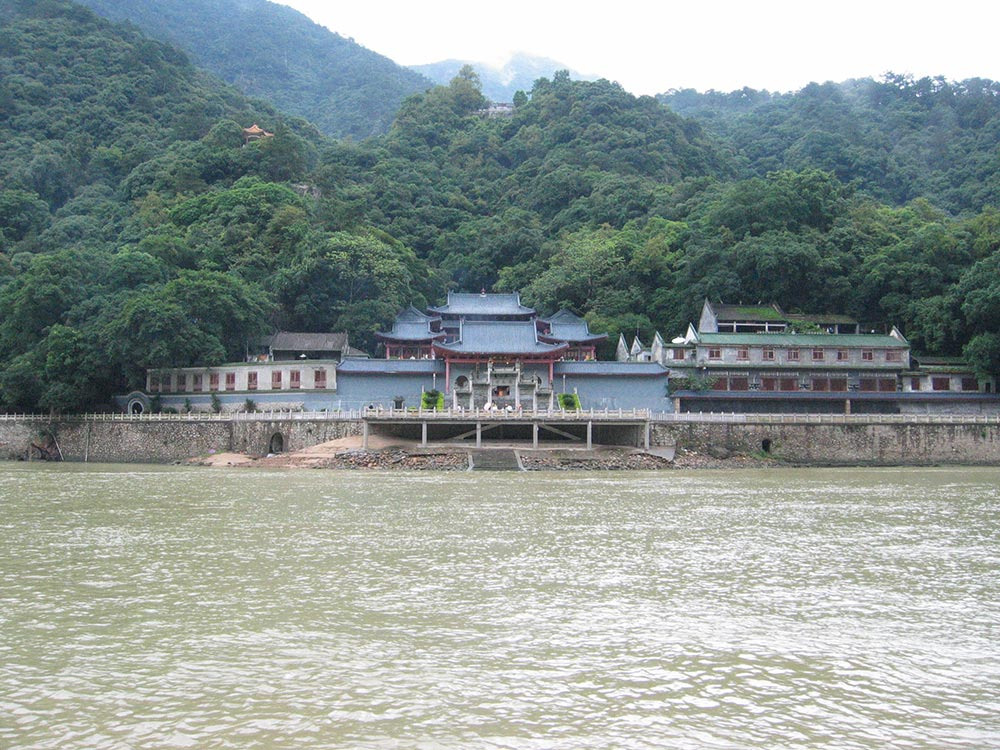
Heijing Village
Heijing is a salt trading town in central Yunnan whose Ming and Qing architecture is remarkably well preserved. Cobbled streets, historic salt wells and authentic village life make it an original stop away from conventional tourist circuits.
Heijing is an ancient salt trading town nestled in the hills of central Yunnan, some hundred kilometers west of Kunming. For over a millennium, its salt wells supplied the entire region, making this village a major economic hub. Today, its cobbled streets, blackened-wood mansions and remnants of the salt industry make it one of Yunnan's best-preserved historic villages.
Practical Information at a Glance
- Access: from Chuxiong by bus or private vehicle; local agencies offer transfers from Kunming.
- Recommended duration: half a day to a full day to explore the town and its surroundings.
- Dress code: no particular constraints; comfortable shoes recommended for the cobbled streets.
What to See
The village preserves a coherent ensemble of Ming and Qing architecture: courtyard-style houses (siheyuan), dark wooden facades, carved doorways. The old salt wells, some still visible, testify to the activity that shaped local life for centuries. Artisanal workshops continue small-scale handcrafted salt production.
History and Context
Salt exploitation at Heijing dates back to the Han period. Under the Ming and Qing dynasties, the town reached its commercial peak: merchants, officials and craftsmen coexisted there, leaving a dense built heritage. The decline of the salt industry in the twentieth century paradoxically preserved the urban fabric, due to the absence of real estate pressure.
Highlights of Your Visit
Streets and Traditional Architecture
Narrow lanes paved with irregular flagstones wind between houses whose wooden frames have darkened with time. Carved details—lintels, corbels, doorway frames—reveal the former prosperity of salt merchant families.
Ancient Salt Wells
Several historic wells are open to visitors. Their simple architecture—stone rim, wooden pulley—contrasts with the economic importance they represented. Some local guides explain traditional extraction and evaporation techniques.
Everyday Village Life
Heijing remains a lived-in village. Local markets, small restaurants serving Yi and Han cuisine, and interactions with residents form an essential part of the experience, far from standardized tourist circuits.
Photography Tips
Morning light, before the sun is too high, reveals the textures of dark wood and wet cobblestones. Carved doorways and interior courtyards offer interesting geometric framing. Always ask permission before photographing residents in their private spaces.
Location and Access
Heijing is located in Lufeng District, Chuxiong Prefecture, in central Yunnan. The road from Chuxiong traverses wooded hills. The village is not served by high-speed rail; a private vehicle or local bus from Chuxiong remains the most practical solution. Accessibility for people with reduced mobility on the cobbled streets is limited.
Nearby Attractions
- Chuxiong — capital of the Yi prefecture, a logistical starting point and cultural center of the Yi ethnic group.
- Yuanmou — paleontological site and red earth eroded landscapes, a few hours to the north.
- Kunming — capital of Yunnan, accessible in a few hours, with its parks, temples and museums.
Frequently asked questions
Spring (March-May) and autumn (September-November) offer pleasant weather. Summer is the rainy season in Yunnan, which can make the streets slippery.
Yes. Heijing fits well into a central Yunnan circuit including Chuxiong and Kunming, without requiring a major detour.
A few traditional guesthouses exist in the village, but the range remains limited. Chuxiong offers more options for overnight stays.
The village can be freely explored on foot. A local guide adds real value in understanding the salt industry history and identifying significant architectural details.
Public spaces and streets are freely photographable. For private courtyards and residents, always ask permission beforehand.
Interested in this visit?
We can include it in your personalised itinerary.