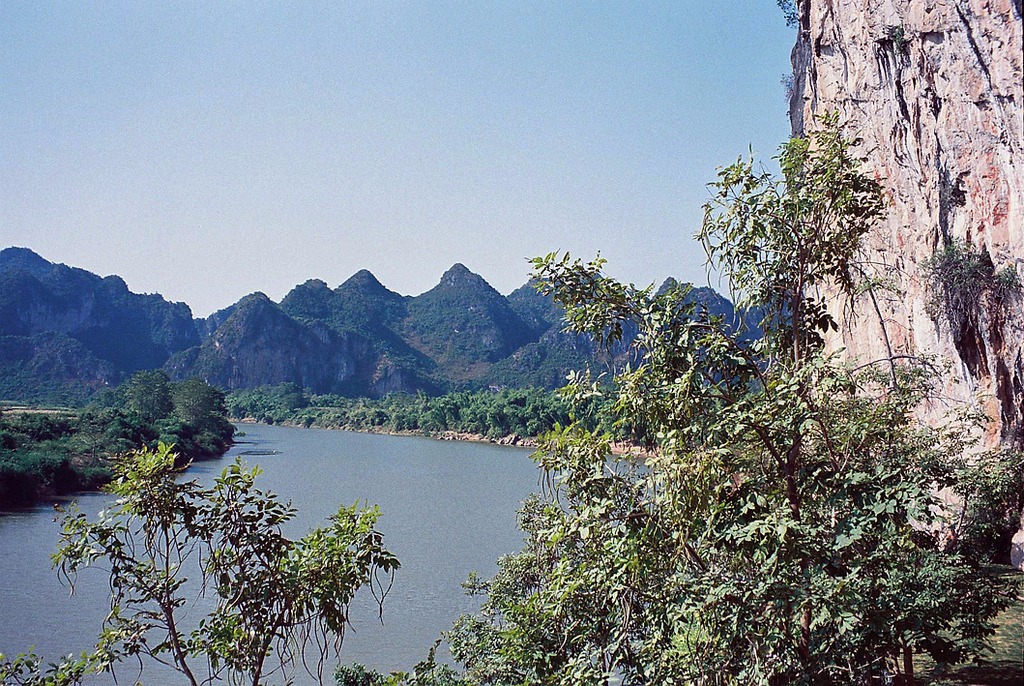
Leigong Mountains
The Leigong Mountains in Guizhou blend primordial forest, a 2,178-meter summit and authentic Miao villages. A sacred massif for the Miao people, still largely untouched by mass tourism.
The Leigong Mountains (雷公山) rise in southeastern Guizhou, at the heart of Miao territory. Mount Leigong peaks at 2,178 meters and ranks as the highest point in the Miaoling chain. Pristine forests, perched Miao villages and exceptional biodiversity make this national reserve a rare natural landscape, still seldom visited by foreign travelers.
Quick facts
- Access: from Kaili (prefecture capital), by bus or private vehicle to Leishan, then road toward the reserve.
- Recommended duration: a full day for the main hike; two days to combine villages and summit.
- Clothing: hiking boots essential, warm layers even in summer (mist frequent at the summit).
- Season: April–June (flowers, lush greenery) and September–October (clear skies) are best.
What to see
The reserve spans over 47,000 hectares of subtropical mountain forest. You'll find stands of Chinese fir, giant rhododendrons and bamboo groves. Wildlife includes protected species: rhesus macaques, civets and numerous endemic birds. Lower slopes are dotted with Miao villages of timber houses on stilts and terraced rice paddies cascading down the hillsides.
History and context
Leigong literally means "Thunder God." The massif is sacred to the Miao, who trace their people's origins to this place according to oral tradition. The national reserve was established in 1982 to protect one of Guizhou's last vast intact forest massifs. It is also recognized as a repository of botanical biodiversity, with several hundred medicinal species recorded.
Highlights of a visit
Mount Leigong summit
The climb to the summit (2,178 m) follows a marked trail through primordial forest. On clear days, views sweep across Miao valleys and the crests of the Miaoling range. Morning mist, common here, lends a particular atmosphere to the rhododendron understory.
Miao villages on the periphery
Several Miao villages border the reserve, particularly around Leishan. Inhabitants still wear traditional dress during festivals. Dark timber houses on stilts, rice granaries and terraces carved into the slopes compose an intact cultural landscape.
Primordial forest and biodiversity
The reserve's central zones harbor centuries-old trees. Botanists have recorded over 2,000 plant species here. Secondary trails, less frequented, afford opportunities to observe wildlife early in the morning.
Photography tips
Light is best late morning, once mist has cleared. Rice terraces below villages offer striking reflections in spring (flooded paddies, April–May). At the summit, bring a wide-angle lens to capture the sea of clouds. Portraits in villages always require the residents' permission.
Location and access
The reserve lies roughly 40 km south of Kaili, the prefecture's main city in Qiandongnan. Kaili is connected to Guiyang by high-speed rail. From Kaili, buses serve Leishan regularly. A private vehicle or taxi offers the most flexible option for reaching reserve entrances and surrounding villages. Accessibility for people with reduced mobility is limited on hiking trails.
Nearby
- Kaili — Miao cultural capital, logistical hub and market for traditional dress.
- Xijiang Miao Village — the world's largest Miao village, about 35 km northeast of Leishan, with timber houses on stilts tiered across the hillsides.
- Langde Village — a classified Miao settlement, renowned for its welcoming ceremonies and traditional dances.
Frequently asked questions
April–June for vegetation and flowering rhododendrons, September–October for clear skies and panoramic views. Winter can bring snow to the summit and make trails slippery.
The main trail to the summit is marked and manageable without a guide. For secondary areas or remote villages, a local guide facilitates navigation and exchanges with Miao residents.
Yes. Xijiang sits about 35 km from Leishan. Over two days, you can hike Leigong on day one and visit Xijiang on day two, routing through Kaili if needed.
Waterproof hiking boots, layered clothing (the summit stays cool even in summer), lightweight rain jacket. Mist and rain are common regardless of season.
No blanket prohibition, but always ask residents' permission before photographing them. Some decline or request a contribution.
Interested in this visit?
We can include it in your personalised itinerary.