Nanjing
Once capital of the Ming Dynasty and the Republic of China, Nanjing blends medieval fortifications, historical memorials, and serene lakes less than an hour from Shanghai by high-speed rail.
Nanjing, an ancient imperial capital on the banks of the Yangtsé, carries ten centuries of Chinese history within its walls, mausoleums, and alleyways. Capital of the Ming before Beijing, a stricken city in 1937, a modern metropolis of 9 million inhabitants: Nanjing merges painful memory with cultural vitality. Its medieval ramparts, among the world's best preserved, still encircle a city where temples, museums, and lakes coexist alongside a renowned gastronomic scene.
Practical Information at a Glance
- Access: Nanjing South high-speed rail station connected to Shanghai (approximately 1 hour) and Beijing (approximately 3 hours 30 minutes) by high-speed train.
- Urban transport: dense metro network covering major tourist sites.
- Recommended duration: 2 to 3 days to cover major sites at a leisurely pace.
- Dress code: respectful attire required in temples and memorials.
- Best time to visit: spring (March-April, cherry blossoms) and autumn (October-November, foliage).
What to See
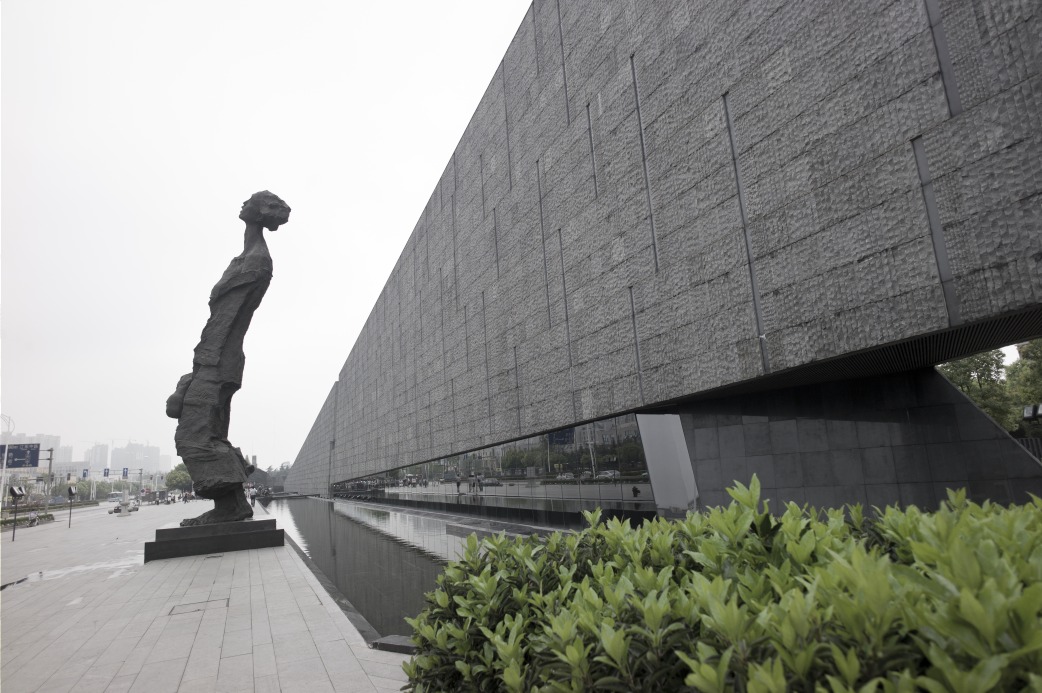
Nanjing concentrates several categories of sites. The Ming walls (14th century) form one of the longest medieval urban fortifications still standing. The Sun Yat-sen Mausoleum (Zhongshan Ling) has dominated Purple Mountain since 1929. The Nanjing Massacre Memorial documents the events of 1937-1938 with sober historical rigor and moving intensity. Xuanwu Lake offers a natural counterpoint at the city's heart.
History and Context
Nanjing served as capital under several dynasties: the Six Dynasties (3rd-6th century), the Ming (1368-1421), and the Republic of China (1912-1949). The Ming emperors built an imperial palace there, fragments of which survive. In December 1937, the Japanese army committed a mass massacre; the city remains a central memorial site in Chinese national consciousness.
Highlights of a Visit
The Ming City Walls
Built between 1366 and 1386, these walls extend over 35 km in circumference. Certain stretches are passable on foot or by bicycle, offering views of the old city and its moats. The Zhonghua Gate, to the south, is the largest fortress gate of medieval China.
Sun Yat-sen Mausoleum (Zhongshan Ling)
Perched on Purple Mountain (Zijin Shan), this mausoleum in white marble and blue tiles is accessible via a staircase of 392 steps. The panorama over the forest and Yangtsé plain rewards the climb. The site is surrounded by a forest park ideal for light hiking.
Nanjing Massacre Memorial
A sober and rigorous museum, it presents archives, testimonies, and objects related to the events of 1937-1938. The visit takes approximately two hours and genuine emotional availability. Admission is free with presentation of a valid identity document.
Xuanwu Lake and Surroundings
This artificial lake dating from the Six Dynasties era borders the northern walls. Its islands, connected by causeways, host gardens, pavilions, and promenades. It is a breathing space cherished by locals in the late afternoon.
Confucius Temple (Fuzimiao) and Qinhuai District
The Confucius Temple and the commercial district surrounding it border the Qinhuai River. Craft shops, local cuisine restaurants, and illuminated boats in the evening make it a lively quarter, particularly animated during Lunar New Year celebrations.
Etiquette and Site Rules
- In Buddhist and Taoist temples, wear clothing that covers shoulders and knees.
- At the Massacre Memorial, silence and solemnity are expected; photography is permitted in certain areas, prohibited in others—follow the signage.
- At religious sites, avoid turning your back to altars when photographing.
Photography Tips
- Ming walls: golden light in late afternoon on ochre brick; early morning to avoid crowds.
- Zhongshan Ling: low-angle shot from the base of the staircase to capture the monumental perspective.
- Xuanwu Lake: pavilion reflections at dawn or dusk.
- Fuzimiao: nighttime illuminations of the Qinhuai River, particularly photogenic in the evening.
Location and Access
Nanjing is located in Jiangsu Province, approximately 300 km west of Shanghai. Nanjing South Station is the main high-speed rail hub. Lukou International Airport provides domestic and international connections. The metro (several lines) serves the station, airport, and major tourist sites. The walls, Xuanwu Lake, and Fuzimiao district are accessible on foot from the historic center.
Nearby Destinations
- Suzhou — approximately 1 hour by high-speed train, renowned for its classical gardens inscribed on the Unesco World Heritage List.
- Shanghai — approximately 1 hour by high-speed train, essential metropolis on the east coast.
- Yangzhou — less than 1 hour away, a city of canals and gardens less frequented, renowned for its cuisine.
- Wuxi — between Nanjing and Shanghai, known for Taihu Lake and its gardens.
Frequently asked questions
Spring (March-April) is ideal for cherry blossoms around Purple Mountain. Autumn (October-November) offers colorful foliage and pleasant temperatures. Summer is hot and humid; Nanjing ranks among China's "four furnaces."
Two days allow you to cover the walls, Zhongshan Ling, the Memorial, and Fuzimiao. Three days offer a more comfortable pace and time for Xuanwu Lake and museums.
Yes, admission is free with presentation of a valid identity document or passport. It is advisable to book a time slot in advance online, especially during peak season.
Yes, high-speed rail connects the two cities in approximately one hour. Nanjing fits naturally into a Jiangsu circuit including Shanghai, Suzhou, and Yangzhou.
Nanjing cuisine is renowned for salted duck (yán shuǐ yā), steamed dumplings, and noodle soups. The Fuzimiao district concentrates numerous restaurants and street food stalls.
It is generally allowed in outdoor spaces. At the Massacre Memorial, certain rooms prohibit it; follow the signage on site. In temples, avoid photographing religious ceremonies without permission.
Interested in this visit?
We can include it in your personalised itinerary.