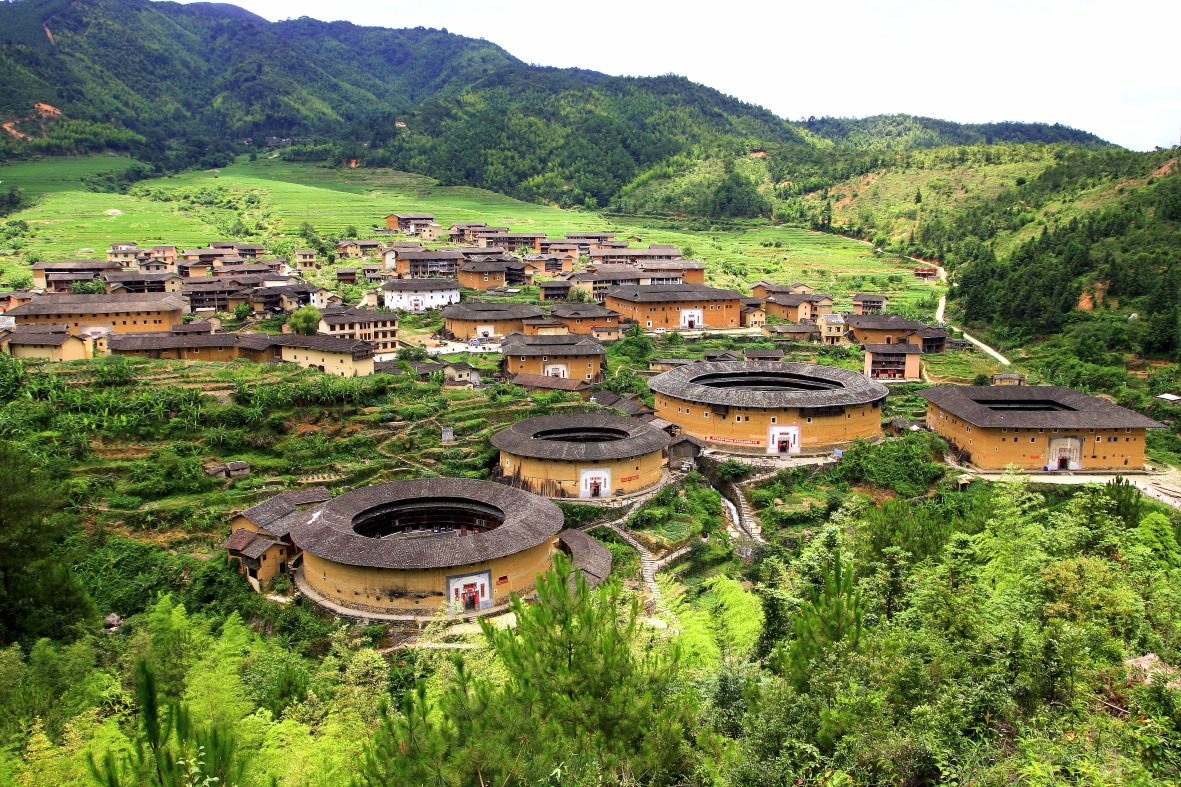
Qikou
An 18th-century merchant town perched on a bend of the Yellow River, Qikou (Shanxi) safeguards its stone lanes, troglodytic cave dwellings and Qing-period warehouses, far from mainstream tourist routes.
Qikou is an 18th-century merchant town nestled in a meander of the Yellow River in Shanxi Province. Once a crucial hub for river trade between Shanxi and Inner Mongolia, the town preserves its stone lanes, vaulted warehouses and troglodytic cave dwellings (yaodong) carved into the loess cliffs. It is one of the few inhabited Qing-era merchant towns that remains largely untouched by international tourism.
Quick Facts
- Access: Qikou lies approximately 300 km west of Taiyuan; the route passes through Lüliang. No direct train service — plan for a long-distance bus or private vehicle from Taiyuan or Lüliang.
- Recommended duration: Half a day to a full day to explore the town and surrounding cliffs.
- Dress code: No particular requirements; wear comfortable shoes suitable for paved lanes and cliff-side paths.
What to See
The town is organized around a main street lined with two-storey grey-brick houses typical of Qing merchant architecture. The yaodong — dwellings carved into the loess cliffs — dot the heights. Along the Yellow River, ancient quays and warehouses bear witness to the coal, salt and fur trade that once animated the site.
History and Context
Qikou flourished during the 17th–19th centuries thanks to river commerce on the Yellow River. Shanxi merchants (Jin shang), renowned throughout China, established trading posts and warehouses here. The decline of river transport in the 20th century froze the town in its historical state, unintentionally preserving its urban fabric.
Highlights of Your Visit
Cave Dwellings (yaodong)
Carved into ochre-coloured loess cliffs, these vaulted homes remain cool in summer and warm in winter. Some are still inhabited; others have been converted into small guesthouses or exhibition spaces showcasing traditional life.
Yellow River Quays and Warehouses
The massive stone buildings lining the riverbank testify to the volume of trade that once passed through. Views of the river from the quays, framed by loess cliffs, are particularly striking at dawn.
The Main Merchant Street
Carved signboards, intricately carved wooden doors and interior courtyards of former trading houses offer a tangible sense of Qing-era northern Chinese commercial architecture.
Photography Tips
Golden morning light illuminates the grey-brick facades and loess cliffs optimally. For the yaodong, an hour after sunrise offers striking contrast between vault shadows and exterior light. The Yellow River's edge in late afternoon casts warm reflections on the water.
Location and Access
Qikou is situated in Linxian District, Lüliang Prefecture, in western Shanxi, directly on the eastern bank of the Yellow River. The route from Taiyuan is lengthy but navigable by car or bus. No railway serves the town directly. Accessibility for people with reduced mobility is limited due to paved lanes and elevation changes.
Nearby
- Yellow River (Shanxi section) — the gorges and meanders of the river showcase characteristic loess landscapes of the Loess Plateau.
- Pingyao — another Qing-era merchant town in Shanxi, inscribed as a UNESCO World Heritage site, approximately 300 km to the east.
Frequently asked questions
Spring (April–May) and autumn (September–October) are the most pleasant seasons: moderate temperatures and favourable light for photography. Summer can be hot and humid; winter is cold and roads occasionally difficult.
Several guesthouses and homestays (minksu) offer stays in renovated yaodong. Accommodation options remain limited; advance booking is recommended, especially for weekends.
The most practical solution is a private car or rental vehicle. Long-distance buses connect Taiyuan to Lüliang, then a local connection is necessary. The total journey typically exceeds four hours.
Yes, provided you supervise children near quays and cliff paths. Lanes are narrow and paved, unsuitable for strollers.
Qikou is an inhabited town: respect residents' privacy, particularly in interior courtyards and private yaodong. Always ask permission before photographing locals.
Interested in this visit?
We can include it in your personalised itinerary.