Shanghai Museum
Shanghai Museum
On People's Square, the Shanghai Museum showcases eleven galleries dedicated to bronzes, ceramics, jade, painting and the arts of China's ethnic minorities.
The Shanghai Museum at a Glance
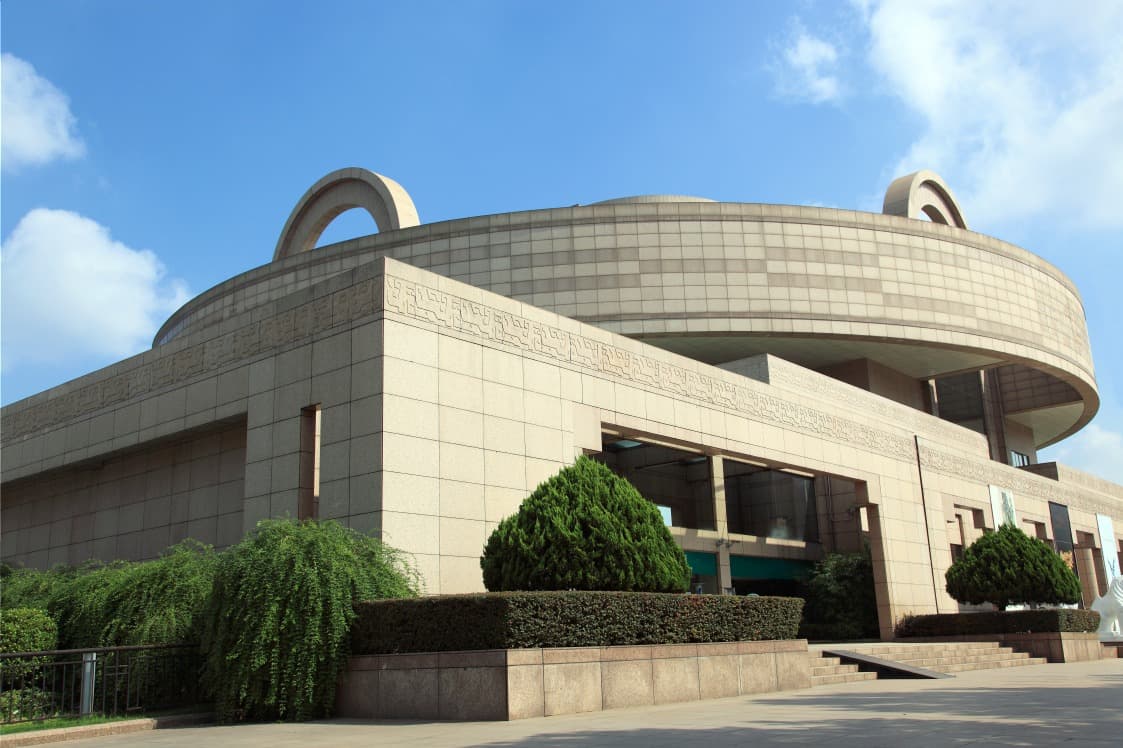
Located on People's Square in the heart of Shanghai, the Shanghai Museum ranks among the essential institutions for understanding Chinese art and civilization. Its circular building atop a square base echoes traditional cosmology ("round heaven, square earth") and houses eleven permanent galleries spanning several millennia of artistic creation. Admission is free, and half a day spent here will leave you thoroughly engaged.
Why Visit the Shanghai Museum
- A collection of over 120,000 pieces, many designated as national treasures.
- Coherent thematic sections: bronzes, ceramics, calligraphy, painting, jade, seals, coinage, Ming and Qing furniture, and arts of ethnic minorities.
- Thoughtfully curated displays, with bilingual labels in Chinese and English, and lighting tailored to fragile works.
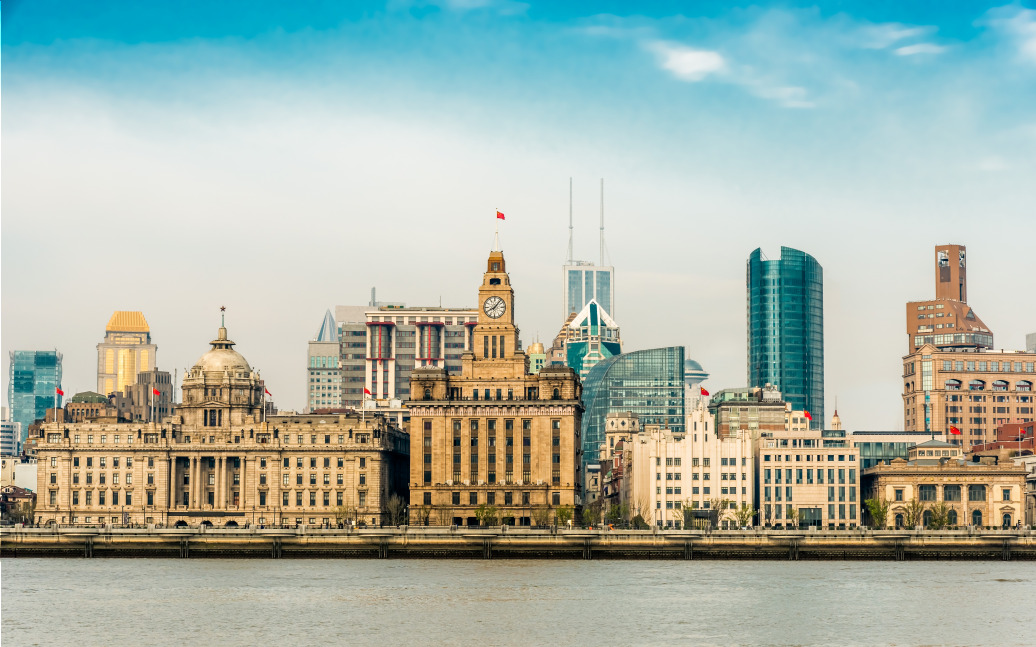
- A central location that combines easily with a stroll along Nanjing Road or the Bund.
Museum History
The Shanghai Museum was founded in 1952, in the early years of the People's Republic of Chine, initially occupying former downtown buildings. Over decades, its collections grew through donations, acquisitions, and transfers from other institutions.
The current building, designed by Chinese architect Xing Tonghe, opened in 1996 on People's Square. Its form, combining a square base and cylindrical dome, directly references the ding—ritual bronze vessels central to ancient Chine and among the museum's premier holdings.
What to See Inside
The galleries are spread across four levels. If time is limited, it's better to focus on two or three sections rather than attempt a comprehensive tour.
The Bronze Gallery
On the ground floor, this section gathers ritual vessels, bells and weapons from the Shang and Zhou dynasties (18th to 3rd century BCE). It represents one of the world's most complete assemblies from this period.
The Ceramics Gallery
On the first floor, it traces over eight thousand years of production: Neolithic pottery, Tang three-color porcelain, Song celadons, Yuan and Ming blue-and-white wares. The chronological progression allows you to follow the evolution of techniques and imperial taste.
Painting and Calligraphy
On the second floor, these two galleries present painted and calligraphed scrolls from the 10th to 20th centuries. Lighting is deliberately subdued, and pieces rotate regularly for conservation reasons.
Jade, Seals and Coinage
The jade hall is particularly renowned: Neolithic ritual objects, imperial ornaments, and sculptures from the Qing period. Adjacent galleries dedicated to seals and coinage will appeal to those interested in epigraphy and economic history.
Furniture and Arts of Ethnic Minorities
On the top floor, a gallery showcases Ming and Qing furniture with reconstructed interiors of scholarly homes. The ethnic minorities section displays costumes, masks and ritual objects from Chine's fifty-six recognized ethnic groups.
Practical Information
- Admission: free entry, with advance reservation via the official website or partner platform.
- Hours: open daily, ticket counter closes approximately one hour before closing time.
- Duration: allow 2 to 4 hours depending on your pace and number of galleries explored.
- Audioguide: available for rental on-site, in English-speaking and several other languages.
- Crowds: heaviest on weekends and national holidays; prefer a weekday visit, early morning if possible.
How to Get There
The museum is located south of People's Square (Renmin Guangchang), a central hub of Shanghai.
- Metro: People's Square station, served by lines 1, 2 and 8. Follow signs toward the museum (exit 1 or 2 depending on ongoing work).
- On foot: roughly 15 minutes from the Bund, heading up Nanjing Road East.
- Taxi: ask for "Shanghai Bowuguan"; drop-off is on one side of the square.
Nearby Attractions
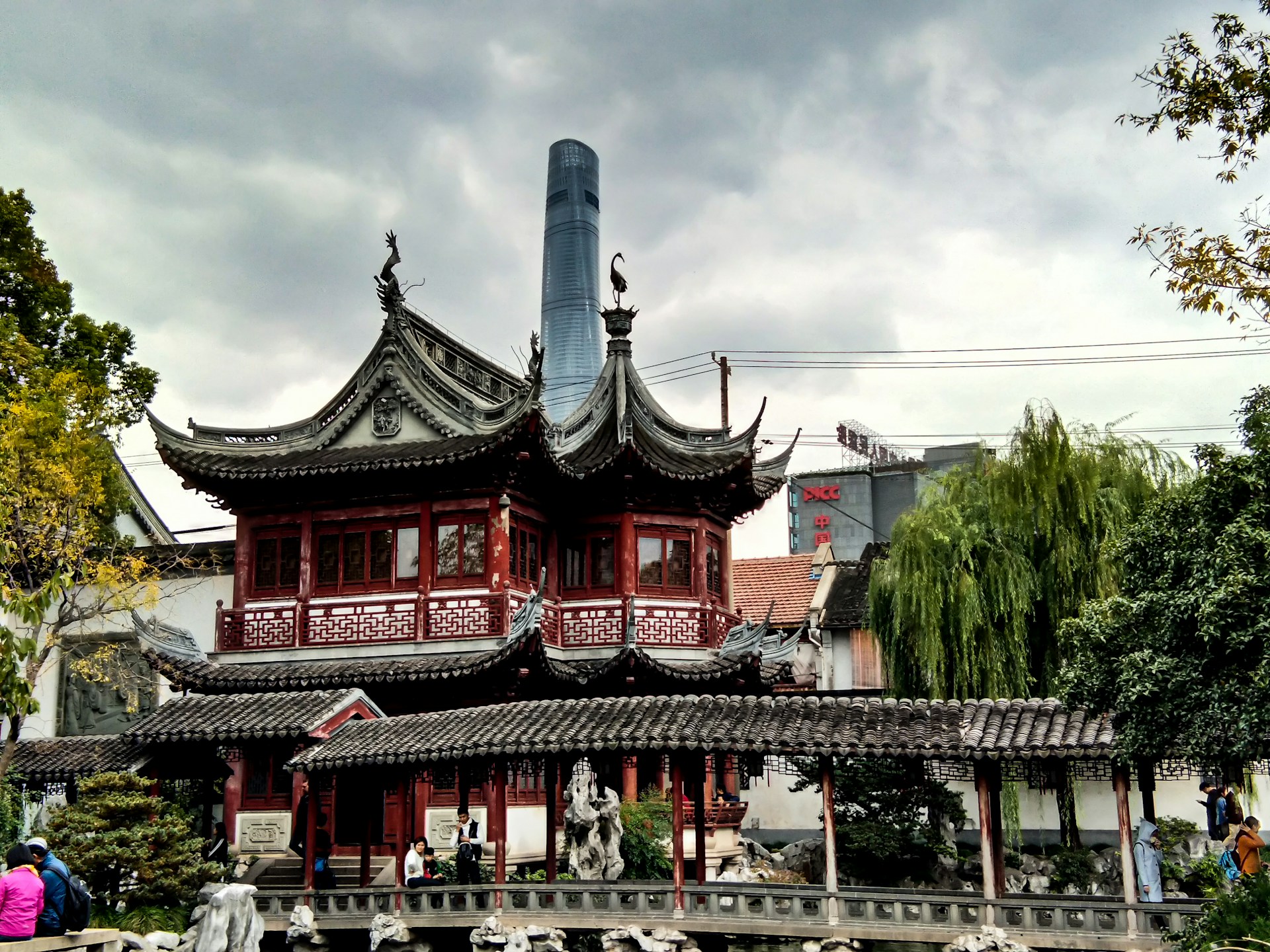
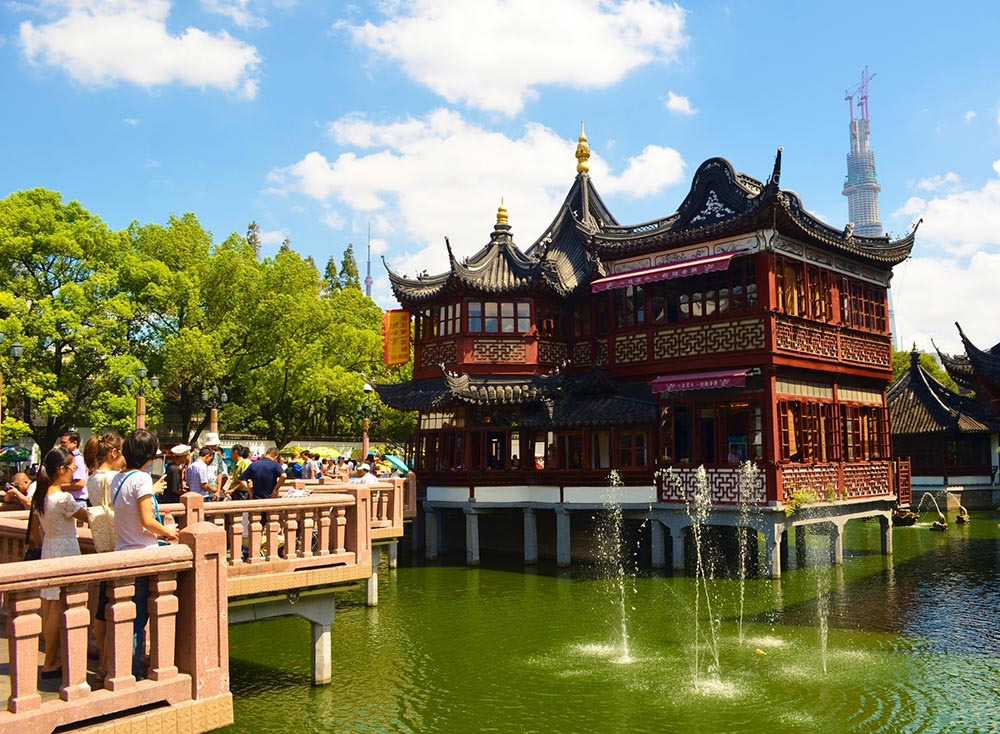
People's Square concentrates several points of interest to combine with your museum visit: the Shanghai Grand Theatre, the Urban Art Museum, and the public park. About twenty minutes by metro, the Yuyuan Garden and the old town extend your discovery of traditional heritage. For another perspective on contemporary Chine history, the Nanjing Massacre Memorial can be visited as a day trip by high-speed train.
Frequently Asked Questions
Frequently asked questions
Yes, admission is free. Advance online reservation is generally required, with passport presentation at the entrance.
Plan for roughly 2 hours for a selective tour, or up to 4 hours for a thorough exploration of all galleries.
Labels are bilingual in Chinese and English. An English-speaking audioguide is available for rent at the information desk.
The bronze, ceramics and jade galleries are considered the most representative of the museum's collections.
Yes, elevators and ramps serve all levels. Wheelchairs are available for borrowing at the information desk.
Plan Your Trip
The Shanghai Museum integrates naturally into a cultural journey through Chine, between imperial heritage, modern metropolises and renowned landscapes. To design a custom itinerary including Shanghai and other destinations in the country, explore our Chine travel ideas.
Nearby
Interested in this visit?
We can include it in your personalised itinerary.