Yu Garden (Yuyuan)
Yu Garden (Yuyuan)
Yu Garden is a 16th-century classical Chinese garden nestled in Shanghai's old town. Ming pavilions, sculpted rocks, and dragon walls make it a major historical site, just steps from the Bund.
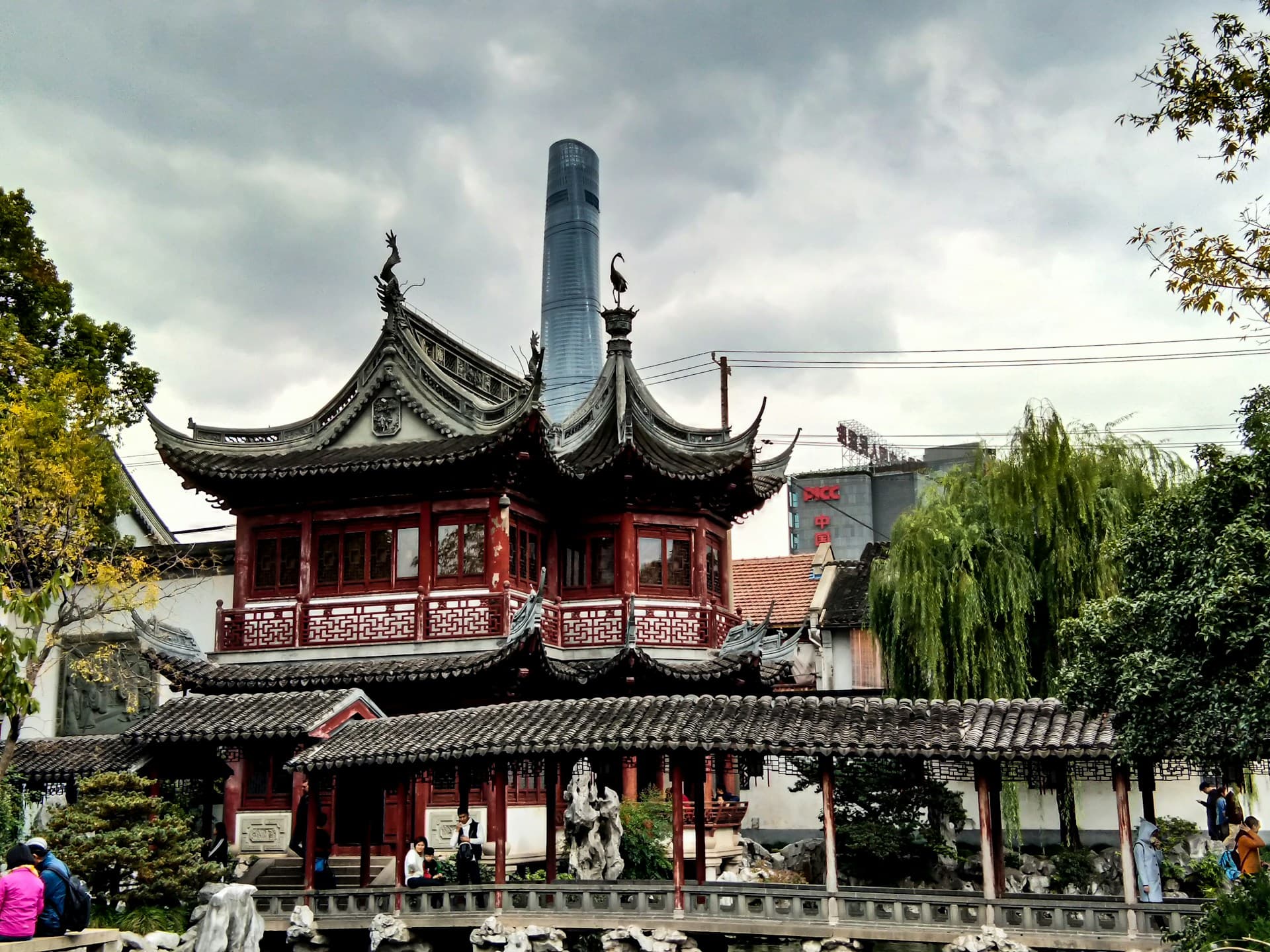
In the heart of old Shanghai, Yu Garden (豫园, Yùyuán) is a classical Chinese garden built in the 16th century during the Ming dynasty. Its pavilions, sculpted rocks, ponds, and winding galleries span roughly fifty acres in the old town district. Surrounded by a bustling bazaar, it offers a striking contrast with neighbouring skyscrapers and remains one of the few surviving examples of jiangnan garden architecture in Shanghai.
Essential Information at a Glance
- Admission : paid entry (ticket required to access the garden; the surrounding bazaar is free)
- Recommended duration : 1.5 to 2 hours for the garden alone; allow extra time if exploring the bazaar
- Dress code : no particular restrictions
- Crowds : very busy on weekends and public holidays — visit on weekday mornings for a better experience
- Wheelchair accessibility : limited due to numerous thresholds, stairs, and traditional arched bridges
What to See
The garden comprises six distinct zones connected by open-lattice galleries. Each area features a pond, Taihu rocks (porous lacustrine limestone with dramatic forms), and one or more pavilions. The Grand Jade Rock (玉玲珑, Yù Línglóng) is the centrepiece: a stone pierced with 72 cavities, counted among the finest in Chine. Undulating dragon-shaped walls separate the various courtyards.
History and Context
The garden was commissioned in 1559 by Pan Yunduan, a high-ranking Ming official, as a retreat for his father. Construction spanned nearly twenty years. After centuries of decline and destruction—particularly during the Opium War and the Taiping Rebellion—the site was restored from 1956 onwards and opened to the public in 1961. It is now designated a national historical monument.
Key Highlights
The Grand Jade Rock
Standing over three metres tall, this Taihu rock was originally intended for Emperor Huizong of the Song dynasty. Its 72 openings allegedly allow incense smoke to rise simultaneously through each cavity. It is the garden's most photographed symbol.
The Hall of Ten Thousand Flowers (万花楼)
This double-roofed pavilion exemplifies traditional jiangnan carpentry without a single nail. Sculpted wooden brackets depict lions and lotus flowers. Inside, period Ming furniture is on display.
The Dragon Walls
Undulating walls crowned with ceramic tiles depicting five-clawed dragons structure the entire garden. Their silhouettes reflect in the ponds, creating compositions highly sought after by photographers.
Yuyuan Bazaar
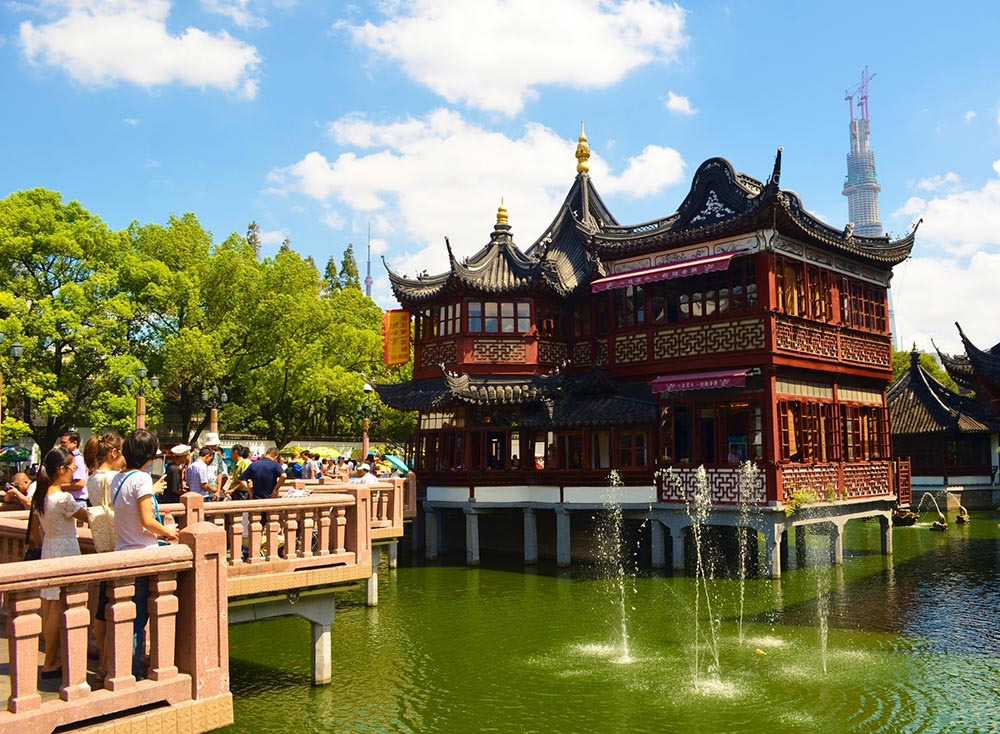
Immediately surrounding the garden, the bazaar houses tea shops, silk merchants, craft vendors, and Shanghai street food stalls. Huxinting teahouse, perched on an artificial lake and connected to the shore by a zigzag bridge, is among Shanghai's oldest.
Photography Tips
Morning light, before visitor crowds arrive, is ideal for capturing reflections in the ponds. The zigzag bridge before Huxinting teahouse suits long-exposure shots in late afternoon. Dragon walls are best framed from elevated galleries. No photography restrictions are posted within the garden.
Location and Access
Yu Garden is located in the old town district (Nanshi), in Huangpu district. The nearest metro stations are Yuyuan Garden (Line 14) or Henan South Road (Line 10). From the Bund, it is roughly a twenty-minute walk southwest. The area is also accessible by taxi or bike-share.
The Bund waterfront and Nanjing pedestrian street are less than two kilometres away.
Nearby Attractions
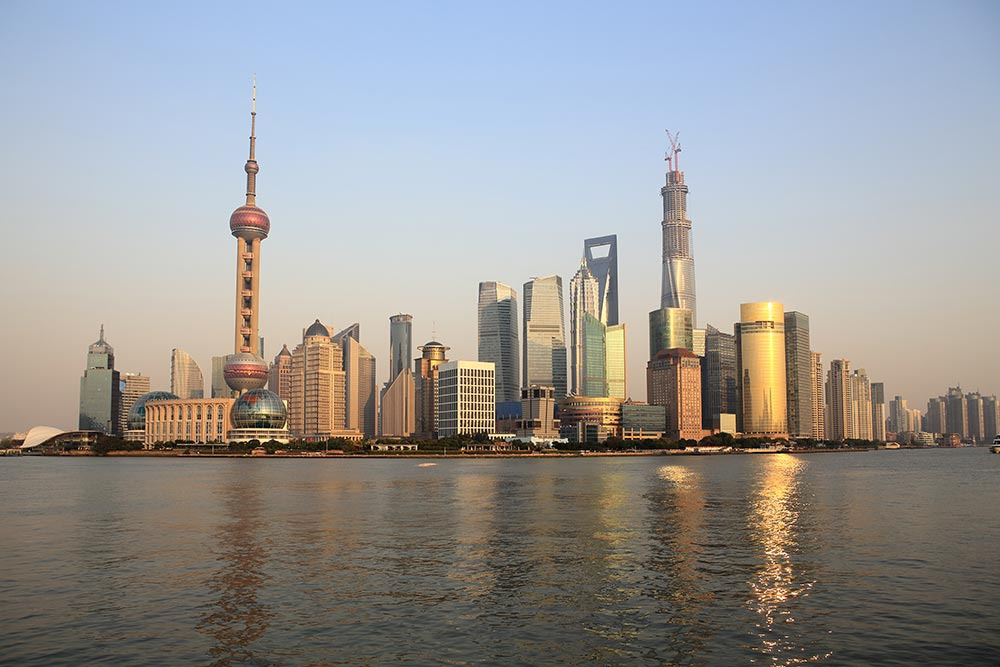
- The Bund — the colonial promenade facing Pudong, about twenty minutes on foot.
- City God Temple (Chenghuang Miao) — an active Taoist temple adjoining the bazaar, just steps from the garden.
- Nanjing Pedestrian Street (Nanjing Lu) — Shanghai's iconic shopping thoroughfare.
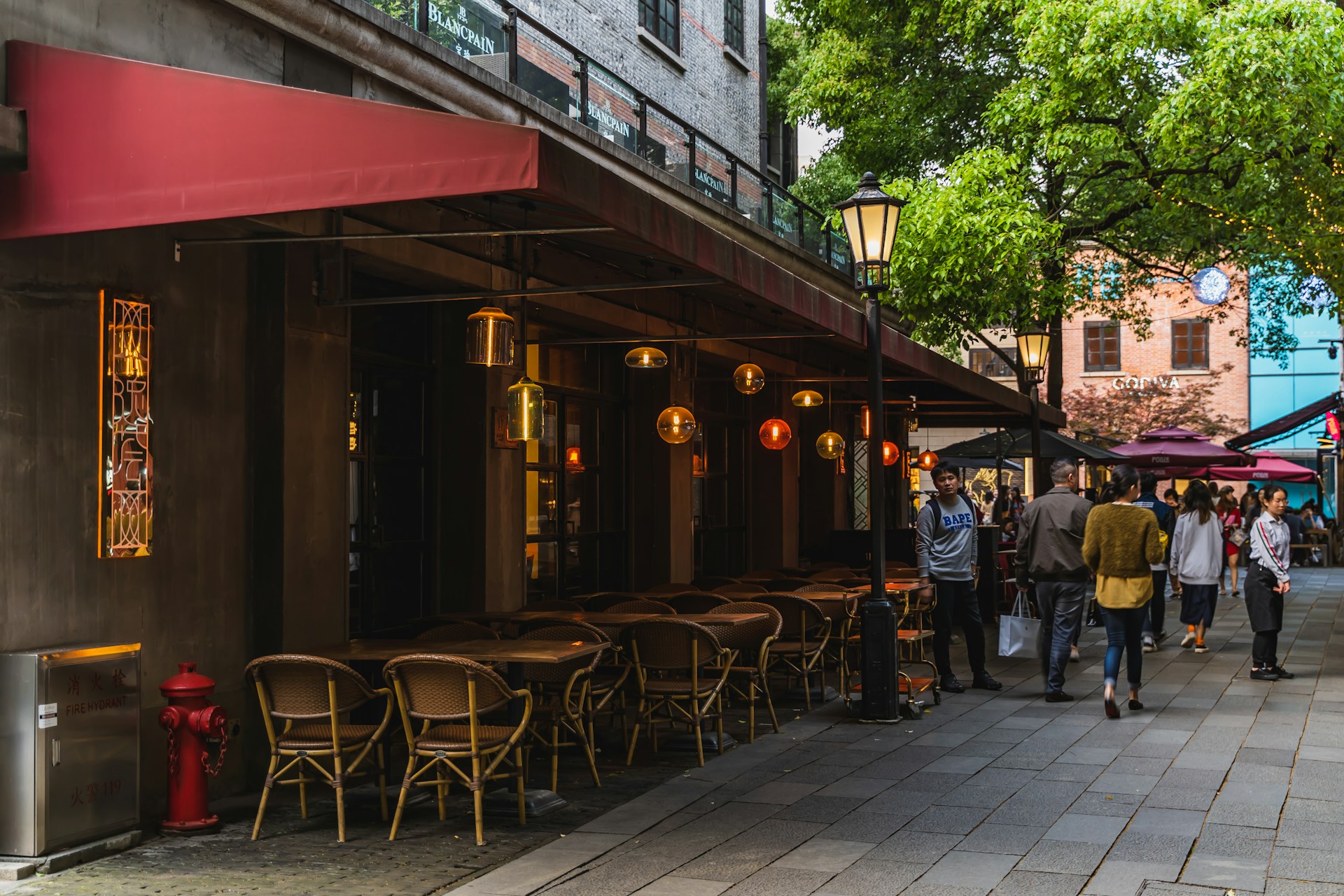
- Xintiandi — restored shikumen district with restaurants and galleries, about one kilometre away.
Frequently asked questions
Spring (March–April) and autumn (October–November) offer pleasant temperatures and photogenic vegetation. Avoid major Chinese national holidays (Golden Week in May and October) when crowds are overwhelming.
Allow 1.5 to 2 hours to explore the garden's six zones at a leisurely pace. Add an hour if you wish to explore the bazaar and take tea at Huxinting teahouse.
Accessibility is limited: numerous high thresholds, stairs, and arched bridges make wheelchair navigation difficult throughout most of the garden.
Yes. The City God Temple is just steps away. The Bund is accessible on foot in twenty minutes. A half day suffices to combine the garden, temple, and bazaar; a full day allows you to add the Bund and Xintiandi.
Yes, photography is permitted throughout the garden. No particular restrictions are posted for personal cameras.
Arrive at opening time on a weekday. Weekends see significantly higher visitor numbers, especially at midday. National holidays are best avoided if possible.
Nearby

Interested in this visit?
We can include it in your personalised itinerary.