Tuyoq Village
Tuyoq is a Uyghur village carved into an ochre gorge east of Turpan, in Xinjiang. Buddhist caves dating from the 4th to 11th centuries, adobe houses, and vineyards irrigated by karez channels form a site of dual heritage, both Buddhist and Islamic.
Tuyoq is a Uyghur village carved into an ochre gorge some forty kilometres east of Turpan. Pressed against loess cliffs, it shelters millenary Buddhist caves, adobe houses, and terraced vineyards. It is one of the rare places in Xinjiang where vernacular architecture, Buddhist history, and traditional agricultural life coexist within such a confined space.
Quick Practical Information
- Access: from Turpan by taxi or private vehicle; no regular direct bus service known.
- Recommended duration: two to three hours for the village and caves.
- Dress code: respectful attire required in worship areas; shoulders and knees covered recommended.
- Altitude: gorge floor, desert climate — water and sun protection essential in summer.
What You'll See
The village unfolds on two levels: the lower, inhabited section, with its packed-earth alleys and flat-roofed houses; the upper, rock-cut section, with the Buddhist caves of Tuyoq (Tuyugou). These caves, carved between the 4th and 11th centuries, preserve fragments of frescoes and sculptures, testimony to a Silk Road still active before the region's Islamization.
History and Context
Tuyoq was a major Buddhist centre on the northern branch of the Silk Road. Monks copied texts and painted caves in the Greco-Buddhist tradition that came from Gandhara. After the 11th century, the population converted to Islam; the village became a site of Muslim pilgrimage, renowned for housing the tomb of a companion of the Prophet. This dual memory—Buddhist and Islamic—is rare in the region.
Highlights of Your Visit
The Buddhist Caves
Carved into the red conglomerate cliff face, the caves feature sculpted niches and remnants of wall paintings with still-visible pigments. Access to certain cavities is restricted for preservation; a local guide facilitates orientation.
The Adobe Village
Uyghur adobe houses, with their carved wooden galleries and shaded inner courtyards draped with vines, illustrate architecture adapted to the extreme heat of the Turpan basin. Some residents sell dried grapes and dried figs directly from their courtyards.
The Gorge and Vineyards
The Tuyoq gorge is irrigated by a karez system (underground channels). The terraced vines produce the seedless grapes characteristic of Turpan, dried in perforated brick towers visible on the heights.
Etiquette and Visiting Rules
- The village is inhabited: always ask permission before photographing residents.
- Near the mosque and mausoleum, adopt a discreet and silent demeanour.
- Remove your shoes if you enter a prayer space.
- Avoid visits during Friday midday prayers.
Photography Tips
Golden morning light illuminates the ochre cliffs without harshness. In late afternoon, the cast shadows of the alleys create striking contrasts. The grape-drying towers, photographed from below, yield strong geometric compositions. Inside the caves, light is dim: a tripod or high ISO sensitivity is necessary.
Location and Access
Tuyoq lies in the gorge of the same name, east of Turpan, in Xinjiang. The road winds through desert and vineyard landscapes. From Turpan, a taxi or private vehicle with driver is the most practical solution. The site can be combined the same day with the ruins of Gaochang and the Bezeklik caves, located in the same direction east of the city.
Nearby Attractions
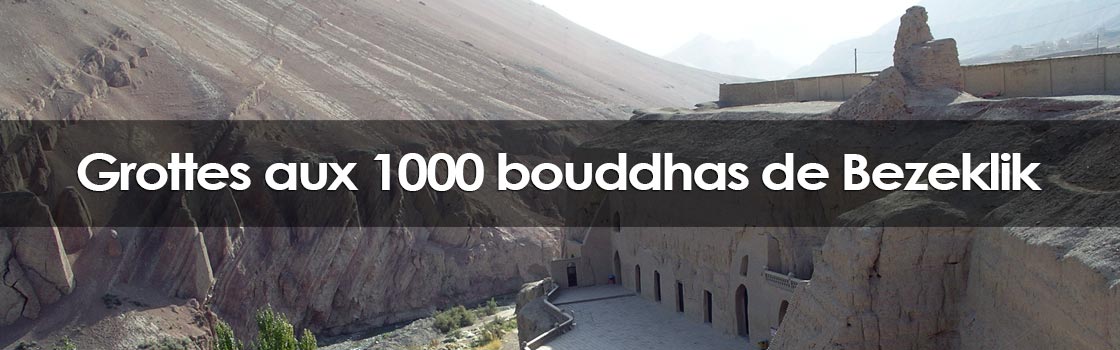
- Bezeklik Caves — Buddhist rock-cut ensemble on the Flaming Cliffs, close to Tuyoq.
- Gaochang Ruins — former Uyghur capital in adobe, vast and rarely crowded.
- Turpan — base city with its bazaar, museums, and karez system to visit.
- Flaming Mountains — red sandstone crests that frame the entire Turpan region.
Frequently asked questions
Spring (April-May) and autumn (September-October) offer comfortable temperatures. In July-August, temperatures in the Turpan basin regularly exceed 40°C; an early morning visit is essential then.
Yes. The Bezeklik caves and Gaochang ruins are in the same direction east of Turpan. A private vehicle allows you to visit all three sites in one full day.
A local guide is strongly recommended to access the caves and understand the frescoes. It also facilitates interactions with residents and provides knowledge of areas open to the public.
Rules vary by cave. Some prohibit flash to protect the pigments. Check on site with the caretaker or your guide before photographing.
Xinjiang is subject to enhanced security controls. Carry your passport at all times and anticipate checks at control points on the road. Contact your local agency before departure for the latest information.
Interested in this visit?
We can include it in your personalised itinerary.