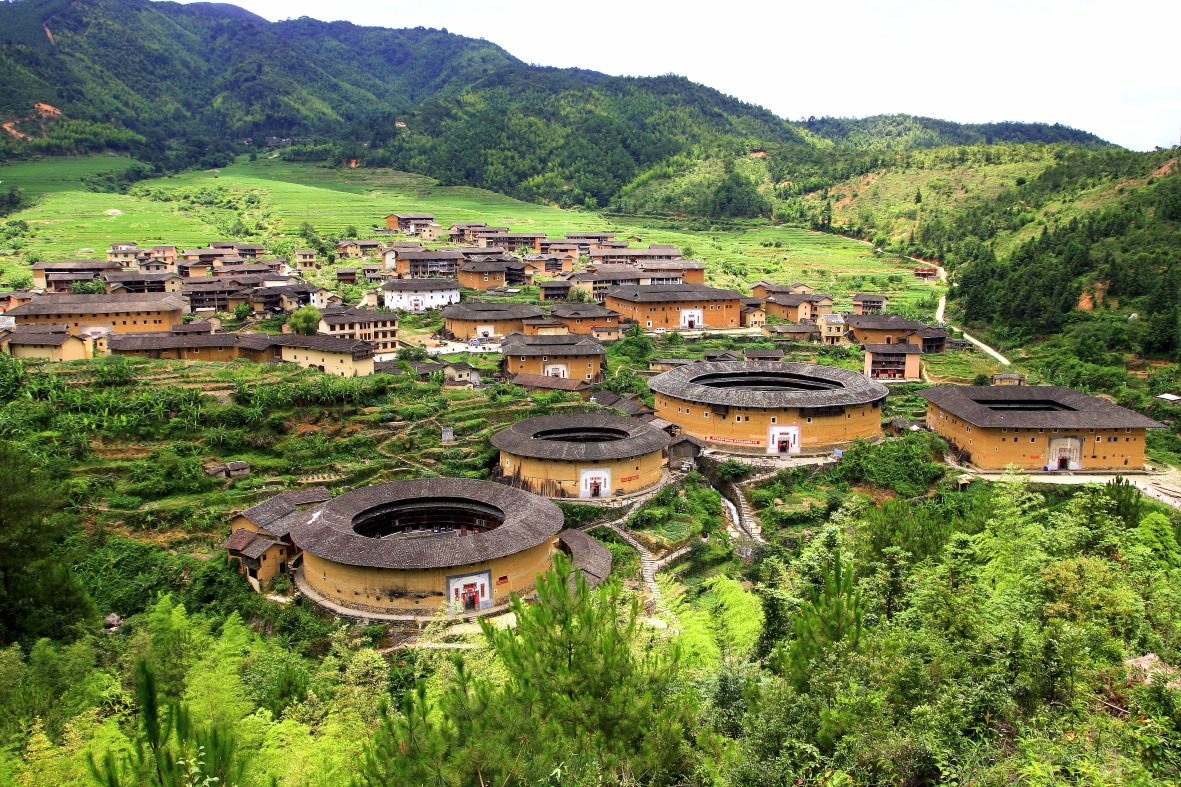
Xiangcheng
An authentic Tibetan stopover on the route between Litang and Shangri-La, Xiangcheng captivates with its Kham monasteries, high-altitude landscapes and preserved atmosphere at over 3,000 metres elevation.
Xiangcheng is a small mountain town nestled in south-western Sichuan, at the cultural frontier between the Tibetan world and the high plateaus of Yunnan. Perched at over 3,000 metres altitude, it attracts travellers seeking an authentic stopover on the route between Litang and Shangri-La. Tibetan monasteries, dramatically enclosed valley landscapes and vernacular architecture make it a memorable halt on this less-travelled itinerary.
Practical information at a glance
- Altitude: approximately 3,000m — allow time for acclimatisation.
- Access: by bus from Litang or Daocheng; road is often the only option, conditions vary by season.
- Clothing: warm clothes essential year-round; covered attire for monasteries.
- Recommended duration: half a day to a full day depending on your schedule.
What to see
The town itself is modest, but its surroundings concentrate the main attractions. The Tibetan monasteries in the vicinity — some following the Nyingma tradition — dominate the surrounding hills. The town's streets blend stone and timber houses typical of Kham architecture. Local markets reflect the daily life of the Tibetan and Yi inhabitants of the region.
History and context
Xiangcheng belongs to the Kham cultural region, one of the three great historical provinces of Tibet. This territory has long been a commercial crossroads between the Tibetan high plateaus and Yunnan. Administratively integrated into Sichuan, the town preserves a marked Tibetan identity, visible in its architecture, language and daily religious practices.
Highlights of your visit
Tibetan monasteries
Several gompa (monasteries) are accessible from the town centre or a short drive away. Their ochre and white façades, prayer flags and prayer wheels form the visual heart of the visit. Morning ceremonies, when open to visitors, offer a rare glimpse into Kham monastic life.
Valley landscapes
The road through Xiangcheng runs alongside gorges and high-altitude meadows. The surrounding passes, draped with prayer flags, offer sweeping views of snow-capped peaks. It's ideal terrain for light hiking or simply for a stop to observe the landscape.
Etiquette and visiting rules
- Remove your shoes before entering prayer halls.
- Circumambulate stupas and prayer wheels clockwise.
- Ask permission before photographing monks or ceremonies.
- Adopt covered dress (shoulders and knees) in religious spaces.
- Avoid disrespectful gestures or words towards objects of worship.
Photography tips
Morning light is ideal for photographing monastery façades, usually oriented east or south. Prayer flags on the passes are most photogenic in light wind in mid-morning. Avoid flash inside prayer halls — often forbidden and unsuited to the atmosphere of these places.
Location and access
Xiangcheng is located in the Garzê Tibetan Autonomous Prefecture in Sichuan. It is connected by road to Litang to the north and to Daocheng, the departure point for Yading National Park. The road south leads into Yunnan Province and the Shangri-La region. Road conditions can be difficult in winter or after heavy rain. No local airport — the nearest is Daocheng Yading Airport.
In the surroundings
- Daocheng — stopover town for Yading park, a few hours' drive to the north.
- Yading National Park — glacial landscapes and high-altitude lakes among the most spectacular in Sichuan.
- Litang — high-altitude Tibetan town renowned for its grasslands and annual horse festival.
- Shangri-La (Yunnan) — accessible to the south, another hub of Kham Tibetan culture.
Frequently asked questions
Spring (April-May) and autumn (September-October) offer the best road and weather conditions. Summer can bring rain that makes some passes difficult to access. Winter is cold and roads may be cut off by snow.
Foreign nationals must in principle hold a Tibet Travel Permit to travel in certain areas of Garzê Prefecture. Check current requirements with your agency before departure, as regulations change regularly.
At over 3,000m, altitude sickness can affect unacclimatised travellers. Plan a rest day on arrival, stay well hydrated and avoid intense physical activity for the first few days. Consult a doctor if you have a history of heart or respiratory problems.
Yes, Xiangcheng fits naturally into the route between Litang and Daocheng/Yading. Most travellers include it as a one-day stopover in a multi-day circuit along this Sichuan Tibetan corridor.
Rules vary by monastery. Outside, photography is generally free. Inside prayer halls, always ask permission from the monks present. Some sites prohibit photography or ask for a symbolic contribution.
Interested in this visit?
We can include it in your personalised itinerary.