Xintiandi
Xintiandi
Xintiandi transforms a collection of 1920s shikumen houses into a pedestrian quarter of Shanghai, blending preserved lilong architecture, historic museums, and lively contemporary life.
Xintiandi is a pedestrian quarter in Shanghai, born from the rehabilitation of a cluster of shikumen — those distinctive stone-portal townhouses typical of 1920s Shanghai. Located in Huangpu district, it merges preserved historical facades with interiors entirely converted into restaurants, boutiques, and galleries. It is one of the rare places where early 20th-century lilong architecture coexists with dynamic contemporary urban life.
Practical information at a glance
- Free access: the quarter is public, no entrance fee to explore.
- Metro: lines 10 and 13, Xintiandi station.
- Recommended duration: 1.5 to 2 hours to stroll and visit the Museum of the Site of the First Congress of the Communist Party of China.
- Dress code: no particular dress requirements.
What you'll see
The quarter divides into two main blocks separated by Taicang Road. The northern block concentrates the best-preserved shikumen buildings, including the Museum of the Site of the First Congress of the Communist Party of China (1921). The southern block is more commercial, with contemporary buildings integrated into the historic fabric. Cobbled lanes, gray-brick facades, and sculpted lintels form the essential decor.
History and context
Xintiandi's lilong were constructed between the 1920s and 1930s, in a hybrid style blending Western influences with Chinese spatial organization. The quarter nearly disappeared during the major demolitions of the 1990s. Hong Kong developer Shui On Land launched its rehabilitation in the late 1990s, preserving external envelopes while gutting and reconstructing interiors. The project opened to the public in 2001 and served as a model for similar operations across China.
It was in a shikumen house in this quarter that, in July 1921, the founding congress of the Communist Party of China convened — a fact that gives the site major political significance in national history.
Highlights of the visit
Museum of the Site of the First Congress of the CPC
The original house, at 76 Xingye Road, has been restored and converted into a museum. The rooms recreate the context of 1921 with period furniture and archival documents. A larger adjoining museum opened in 2021 for the Party's centenary.
Shikumen Open House Museum
This small museum, housed in a reconstructed shikumen building in the northern block, showcases the typical interior of a Shanghai family from the 1920s–1940s: furniture, everyday objects, photographs. It offers a tangible understanding of this vanished way of life.
The lanes and facades
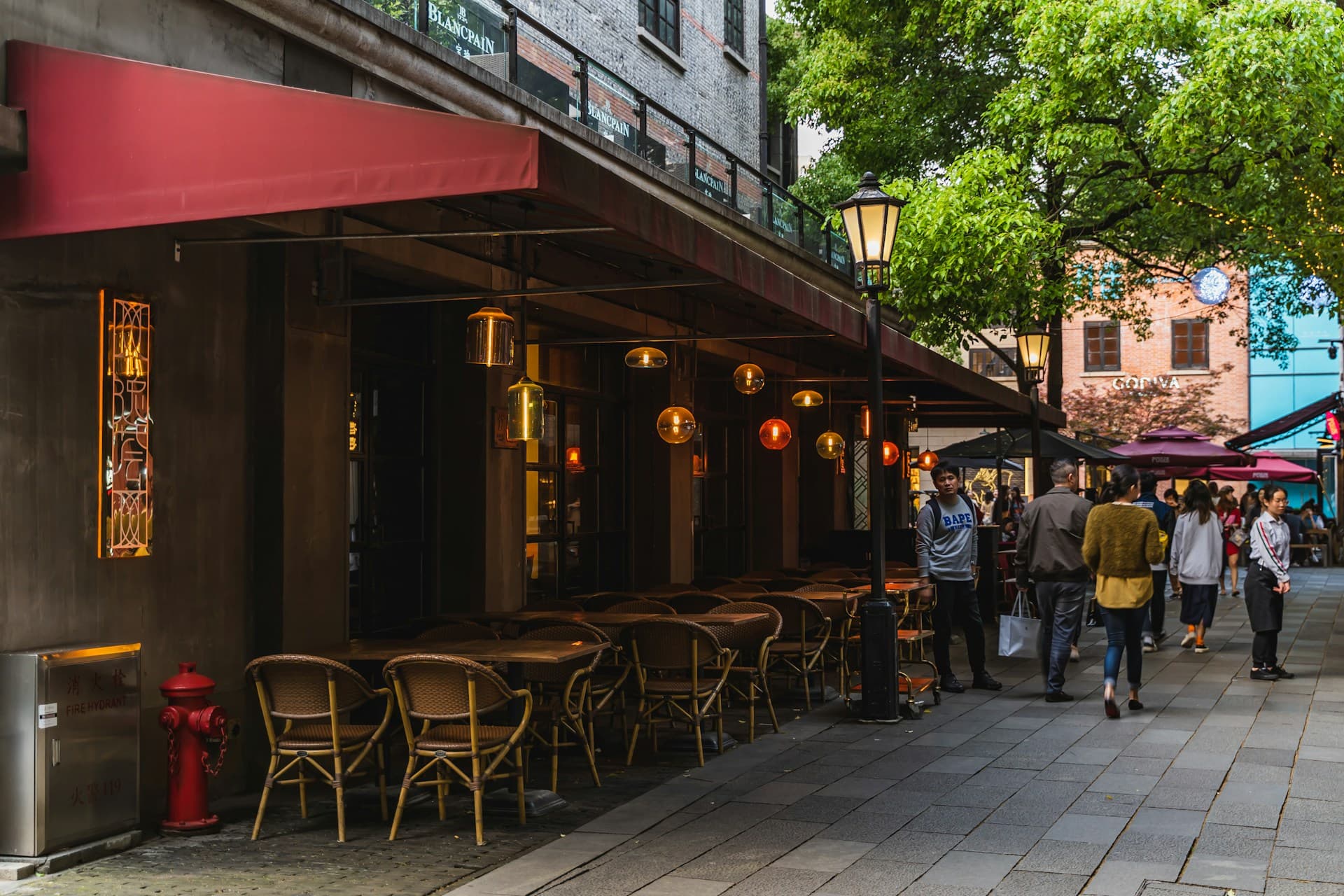
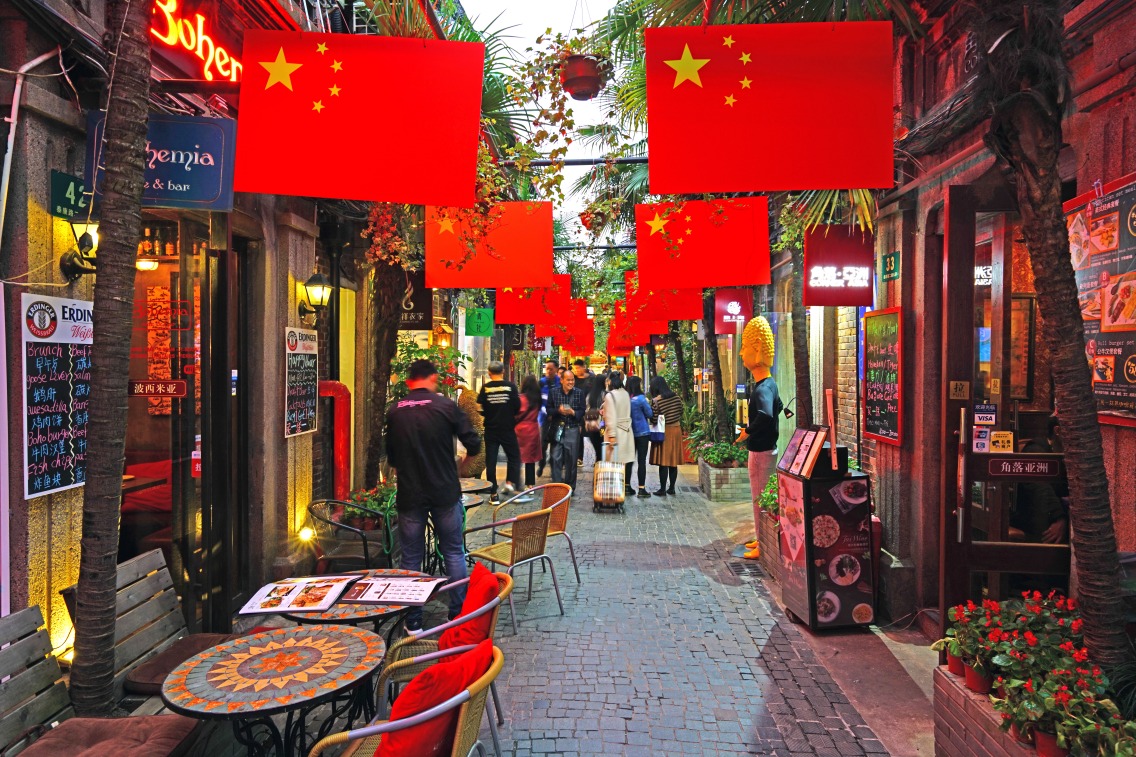
Walking through the cobbled lanes remains the central experience. Sculpted stone portals, wooden-barred windows, and gray-brick walls offer striking contrast with the glass towers visible in the background.
Photography tips
Morning light, before crowds arrive, is ideal for photographing shikumen facades. The northern block's lanes, less crowded than the south, offer more authentic framing. In the evening, restaurant and shop lighting creates a different, more lively atmosphere. Sculpted stone portals work well for architectural close-ups.
Location and access
Xintiandi sits in Huangpu district, minutes on foot from Taiping Lake and Fuxing Park. Xintiandi metro station (lines 10 and 13) serves the quarter directly. The Bund is reachable in about twenty minutes on foot or by metro. The quarter is wheelchair-accessible on main thoroughfares, though some cobbled lanes may present challenges.
In the vicinity
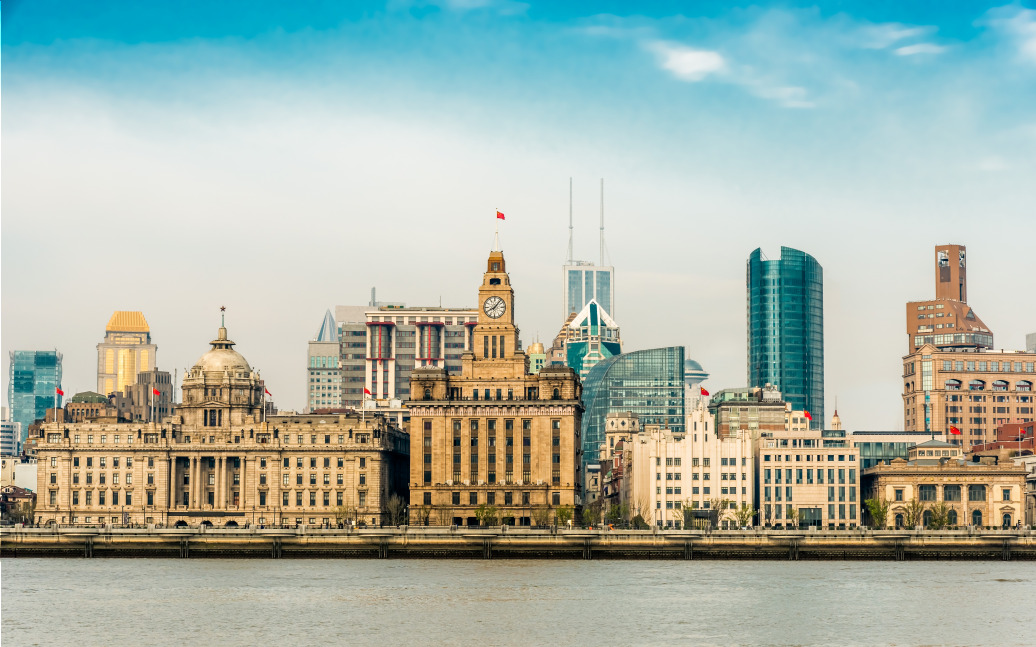
- The Bund — the iconic waterfront promenade along the Huangpu, with colonial facades facing Pudong.
- Fuxing Park — a former French garden in the old concession quarter, lively in the morning with tai-chi practitioners.
- Tianzifang — another rehabilitated lilong quarter, more artisanal and less commercial, in Huangpu district.
- Shanghai Urban Planning Museum — traces the city's architectural evolution, a few metro stops away.
Frequently asked questions
Walking through the quarter is entirely free. Some museums inside, such as the Museum of the Site of the First Congress of the CPC, are paid or require reservation.
Spring (March–May) and autumn (September–November) offer pleasant temperatures for strolling. Summer is hot and humid; winter remains mild but grey. Weekends see the quarter busy during the day.
Yes, both quarters are in Huangpu district and less than two kilometres apart. Half a day suffices for each; together, they make a full day devoted to lilong architecture.
In outdoor spaces and lanes, photography is free. Inside museums, rules vary by room; signs indicate no-photo zones.
Main thoroughfares and restaurant terraces are generally accessible. Secondary cobbled lanes may present challenges for wheelchairs.
Nearby
Interested in this visit?
We can include it in your personalised itinerary.